





An Unpredictable New Rhythm
For centuries, India has moved to the beat of the monsoon. But climate change is rewriting the music. The predictable cycle of wet and dry seasons is becoming a chaotic mix of extremes. We are now seeing long dry spells punctuated by short, intense bursts
of heavy rain. Studies show that while the total volume of rainfall in a year might not change dramatically, its delivery has become volatile. Instead of a steady, soil-soaking drizzle over weeks, forests are now subjected to punishing deluges followed by prolonged thirst. This shift creates a phenomenon known as 'ecological drought', where ecosystems suffer from long-term moisture stress even during the monsoon season. This fundamental change in how India receives its rain is the primary driver of the massive shifts we are beginning to see in our forests.
When Wet Forests Become Vulnerable
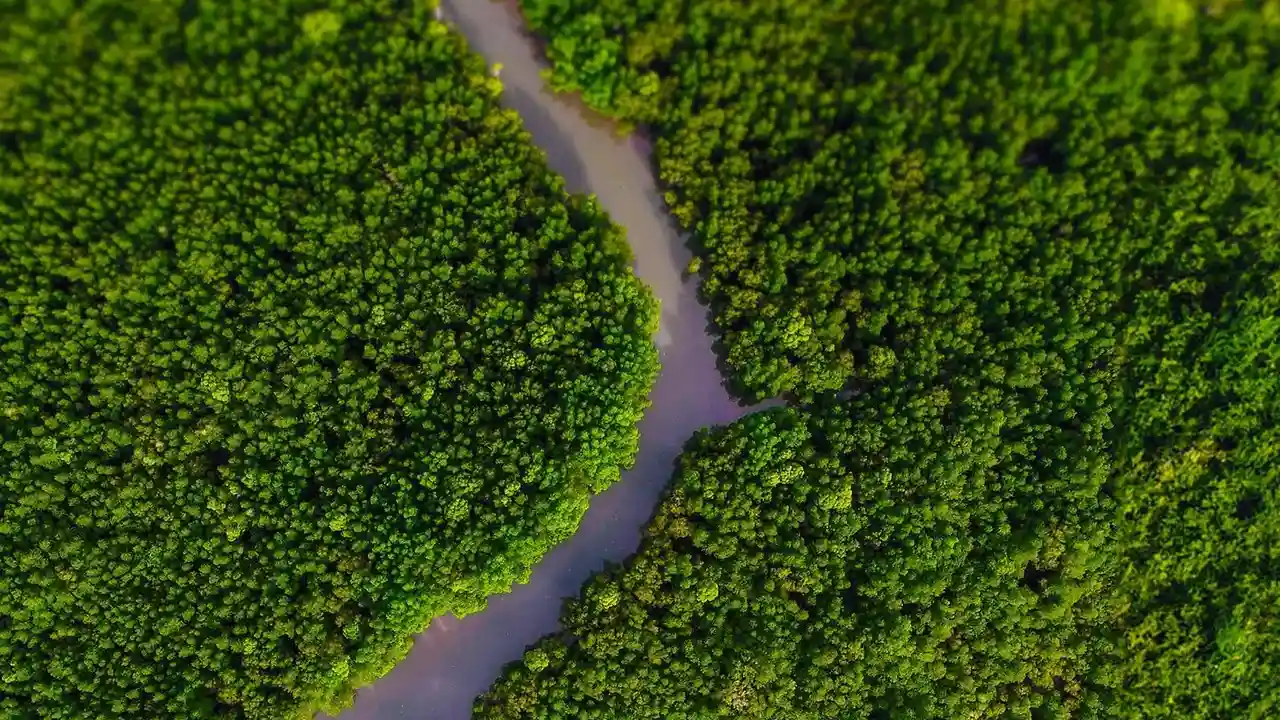
Different forests are reacting in different ways to this new reality. Moist deciduous forests, like those in parts of the Western Ghats, which are accustomed to high rainfall, are paradoxically becoming more vulnerable. Their dense canopies and rich biodiversity depend on consistent moisture. When intense downpours cause rapid soil erosion and landslides, the foundational stability of the forest is compromised. Following these events, extended dry periods can increase the risk of forest fires and stress trees that are not adapted to drought. A study in Madhya Pradesh's Panchmarhi Biosphere Reserve found that shifting rainfall and rising temperatures were key drivers of a 13% loss in forest cover over several decades, with dry teak forests experiencing the highest canopy loss. This shows that even our most robust forests are struggling to cope.
The Threat of 'Grassification'
One of the most alarming potential outcomes of increased rainfall variability is the 'grassification' of forests. Research indicates that more variable rainfall, even if the total amount is the same, promotes a shift towards savanna-like landscapes over stable forests. This happens because inconsistent water availability makes it harder for large, moisture-dependent trees to thrive, while grasses and shrubs that can better handle periods of drought are able to take over. In bistable regions, where the climate can support either forest or savanna, this shift can be tipped by deforestation or fire, locking the ecosystem into a lower-cover state. This doesn't just mean fewer trees; it represents a complete change in the ecosystem, affecting everything from carbon storage to the habitats available for India's unique wildlife.
A Cascade of Consequences
The impacts of changing rainfall are not confined to the trees themselves. A forest is an interconnected system, and these shifts create a cascade of consequences. Changes in the timing of rain can disrupt phenology—the life cycles of trees, such as when they flower or develop new leaves. This can shorten the period for photosynthesis, weakening the entire forest's ability to act as a carbon sink. Biodiversity is also hit hard. Many of India’s 650 endemic tree species are under threat, along with the fauna that depend on them. For example, altered rainfall patterns in the Western Ghats are affecting the availability of forage, which can push elephants towards human habitations in search of food. Furthermore, the health of forests is directly linked to the well-being of millions of people who depend on them for water, fuelwood, and livelihoods.
Adapting to a New Reality
While the outlook is concerning, it is not without hope. Scientists are gaining a clearer picture of which forests are most vulnerable, from the upper Himalayan stretches to parts of Central India and the Western Ghats. This knowledge is crucial for developing targeted conservation and management strategies. Proactive land management, strategic afforestation, and robust forest conservation laws can make a significant difference in building resilience. By distinguishing between climate-driven changes and those caused by human activity, policymakers can create more effective interventions. For example, protecting and expanding forest cover in bistable regions can help anchor them in a higher tree-cover state, resisting the shift to savanna. Understanding this new, chaotic monsoon is the first step toward safeguarding India's precious forest ecosystems for generations to come.