






A Nutty Proposition for Brain Health
Could a daily handful of peanuts be a key to better memory in later life? That was the question researchers at Maastricht University Medical Center in the Netherlands set out to explore. Their recent work, building on a 2025 study, involved a small group
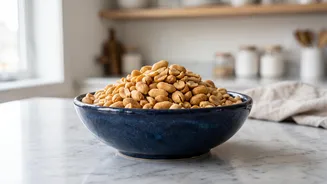
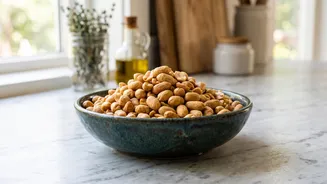
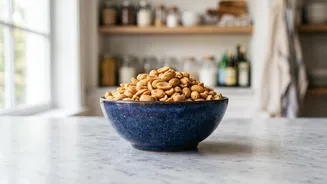
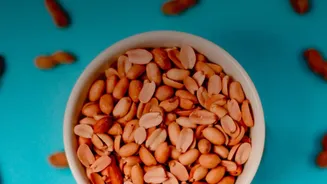
of 31 healthy adults aged 60 to 75. In a controlled trial, these participants consumed about 60 grams of unsalted, skin-roasted peanuts every day for 16 weeks and were then monitored during a period of avoiding peanuts. The goal was to see if this simple dietary change could produce measurable effects on brain function, a topic of immense interest as populations age and concerns about cognitive decline grow.
What the Initial Research Found
The results, published in the journal 'Food & Function', pointed to some specific changes. Researchers observed that daily peanut consumption seemed to improve insulin responsiveness in parts of the brain critical for memory, such as the hippocampus. Insulin, while known for regulating blood sugar, also plays a vital role in the brain, helping nerve cells communicate and grow. As we age, the brain can become less responsive to insulin, a change linked to cognitive decline. The earlier phase of the research, published in 'Clinical Nutrition', also found that the 16-week peanut intervention increased overall blood flow to the brain by 3.6% and was associated with a 5.8% improvement in verbal memory scores.
The Science Behind the Snack
The potential benefits are not entirely surprising to scientists. Peanuts are packed with nutrients that are thought to support brain health. They are a good source of unsaturated fats, protein, and bioactive compounds like resveratrol, which is believed to help improve blood flow. They also contain the amino acid L-arginine, which the body uses to create nitric oxide, a molecule that helps relax blood vessels and may play a role in learning and memory. The study specifically used peanuts with their thin, reddish skins intact, as the skins are particularly rich in these beneficial polyphenols.
Why Caution Is the Main Takeaway
This is where the second half of the headline becomes critical: the findings need replication in larger groups. Scientists, including the study's own authors, are quick to pump the brakes on any definitive conclusions. The study was very small, involving only 31 people in one trial and an even smaller final group in another analysis. This small sample size means the study may have been underpowered to detect other meaningful effects, and its findings must be interpreted with caution. Furthermore, while researchers observed changes in blood flow and insulin response, they did not prove that eating peanuts can prevent cognitive decline or disorders like Alzheimer's disease in the long term. Science is an iterative process, and this study is best viewed as a promising but preliminary step.
The Bigger Picture for a Healthy Brain
Rather than focusing on a single 'superfood', experts consistently recommend a holistic approach to brain health. This peanut study fits into a much larger body of evidence suggesting that dietary patterns are crucial. Diets rich in a variety of nuts, legumes, fruits, and vegetables, such as the Mediterranean diet, have been linked with better cognition in older adults. Peanuts, when unsalted and not overly processed, can certainly be part of a brain-healthy diet. They provide valuable nutrients and, as this study suggests, may offer specific benefits. However, protecting long-term cognitive health requires more than just one snack; it relies on a balanced diet, regular physical activity, and social engagement.