




The Dawn of the Green Gymnasium
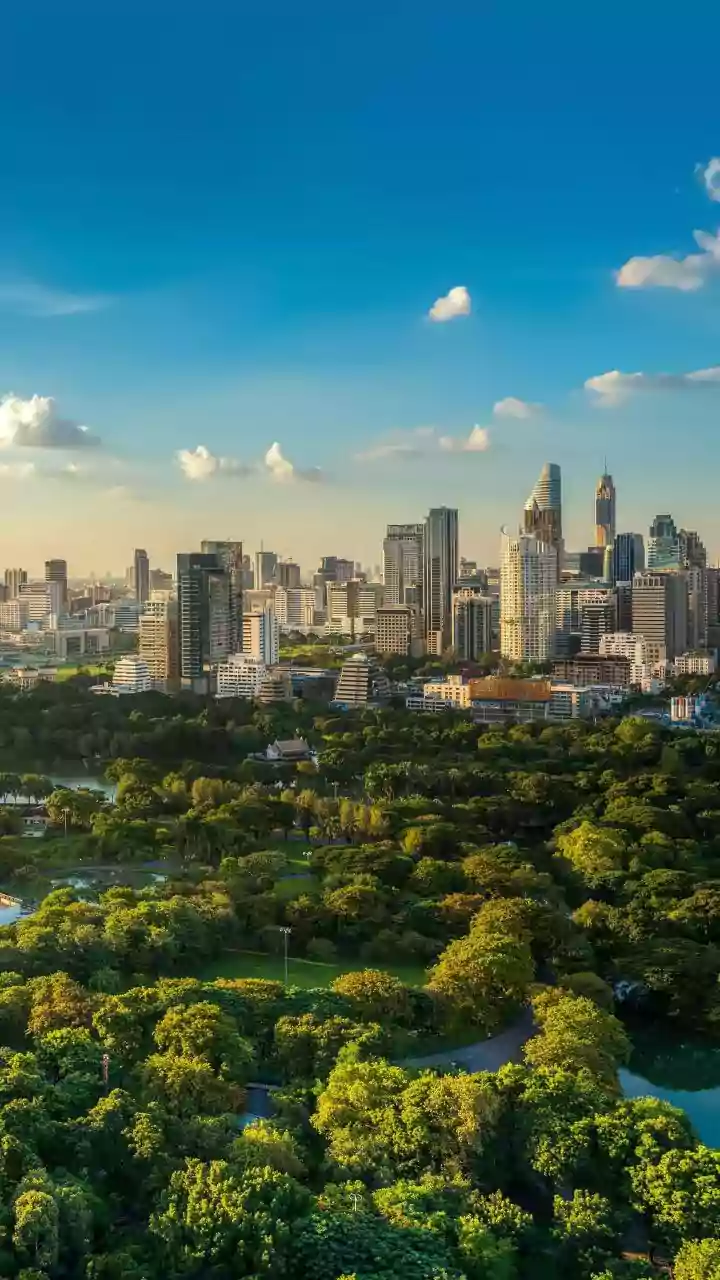
Across India's bustling metropolises, from Mumbai's coastal promenades to Bangalore's leafy gardens, a grassroots fitness revolution is unfolding. Where you once saw only elderly couples on their morning walk, you now see dynamic groups performing yoga,
calisthenics circles claiming their space, and individuals using newly installed outdoor fitness equipment. This isn't a fleeting fad but a significant cultural shift. Urban residents are redefining their relationship with public spaces, viewing parks not just as places for leisure, but as essential infrastructure for their physical and mental wellness. The era of fitness being confined to four walls and a monthly subscription is giving way to a more accessible, communal, and enjoyable approach to staying active.
What's Fuelling the Outdoor Fitness Boom?
Several factors are driving this migration from the treadmill to the trail. The most obvious is accessibility and cost. Open-air gyms and park spaces are free to use, removing a significant financial barrier that often comes with traditional gym memberships. Beyond economics, there's a growing appreciation for the holistic benefits of 'green exercise'. Studies and user experiences confirm that working out in nature can lower stress levels, reduce blood pressure, and improve mood more effectively than indoor exercise. Exposure to sunlight provides a vital dose of Vitamin D, and the fresh air is a welcome antidote to hours spent indoors. This movement has also been accelerated by a post-pandemic consciousness around health and a desire to escape confined spaces, along with city-led initiatives to install permanent, weather-proof gym equipment in public areas.
More Than Just a Workout
The social dimension is a powerful catalyst in this trend. Unlike the often isolating experience of a conventional gym, park workouts foster a strong sense of community. Strangers become workout partners, and informal groups for running, Zumba, or boot camps spring up organically. In cities like Delhi, Pune, and Hyderabad, running clubs have become major social hubs, offering motivation, accountability, and a sense of belonging. This community aspect turns exercise from a solitary chore into a shared, enjoyable activity, which is crucial for long-term consistency. It's a space where people of all ages and fitness levels can exercise together, learn from one another, and build connections, transforming personal health goals into a collective wellness movement.
Challenges and the Path Forward
While the rise of open-air gyms is overwhelmingly positive, it comes with challenges. A key issue in many cities is the maintenance of the equipment. In Bengaluru, for example, where outdoor gyms were an early hit, lack of regular upkeep has left some equipment damaged and unusable. There is also a need for better user education on how to use the equipment safely and effectively to prevent injuries and damage. For these spaces to be truly inclusive, planners must also consider the specific needs and safety perceptions of all users, including women and the elderly. Despite these hurdles, the future looks bright. Urban planners increasingly see parks as critical public health infrastructure and are integrating fitness amenities into new smart city projects. As this trend continues, the focus will be on ensuring these spaces are not only built but also well-maintained, safe, and equitably distributed across all neighbourhoods.