


Why The 'Off-Season' Is On
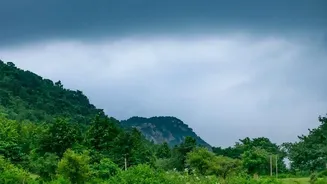
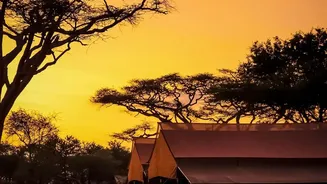
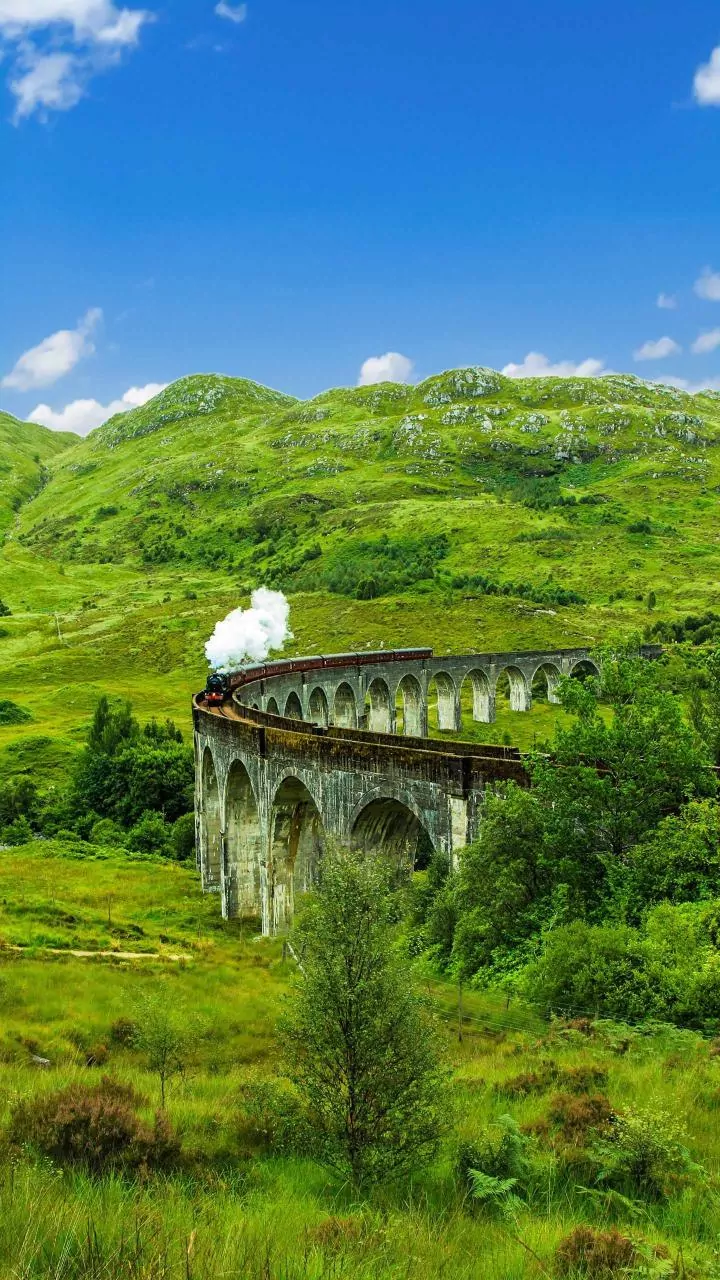
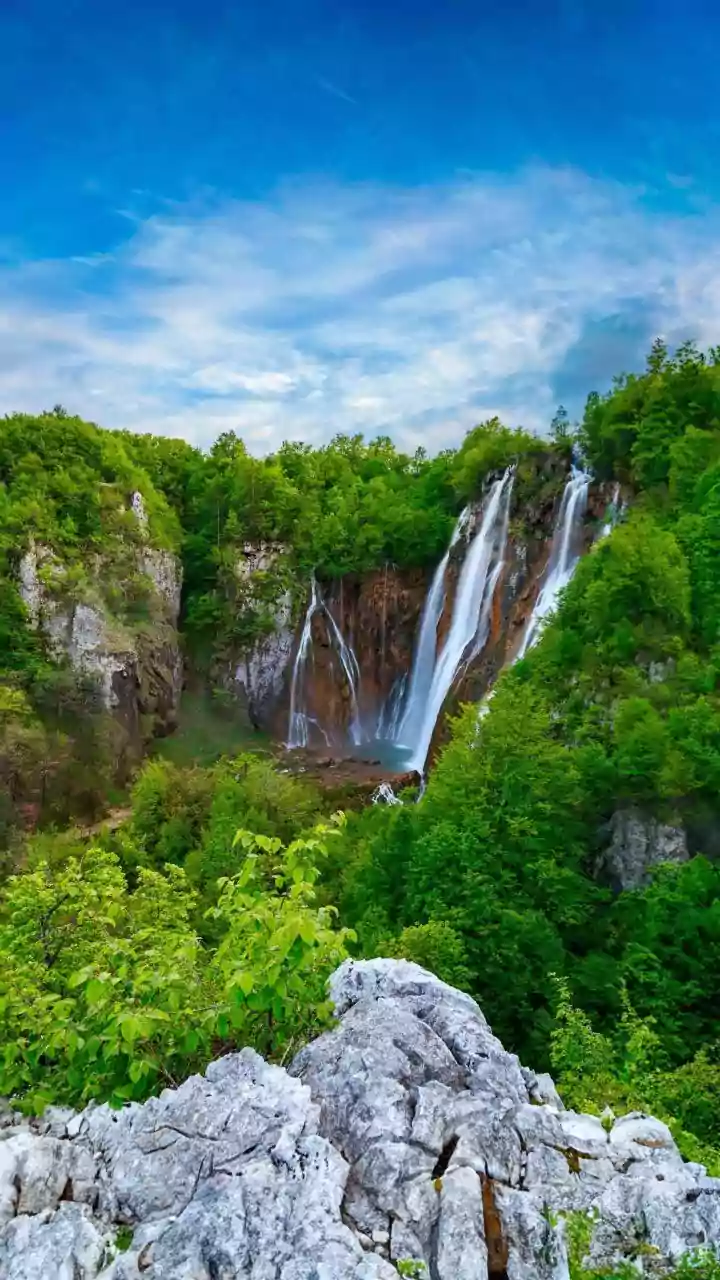
A monsoon safari is a world away from the classic dry-season experience. The forest, washed clean by the rains, is a spectacle of countless shades of green, from the lush undergrowth to the rain-heavy leaves of ancient trees. The air is crisp and free
of dust, offering photographers clear, vibrant shots. Temperatures are cooler and more pleasant than in the scorching pre-summer months. This is also a time of fewer tourists, which means a more serene and intimate encounter with nature. Rivers and water bodies are full, landscapes become dramatic, and the entire ecosystem feels rejuvenated and alive. It’s less about ticking off a checklist of big predators and more about immersing yourself in the forest's vibrant, rain-soaked atmosphere.
Where To Go: Sanctuaries Open in August
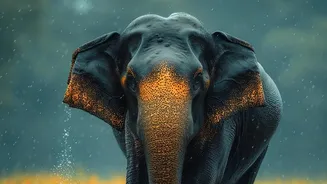
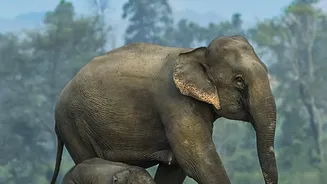
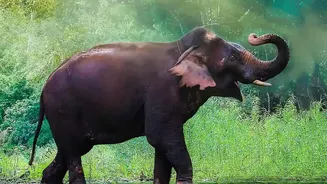
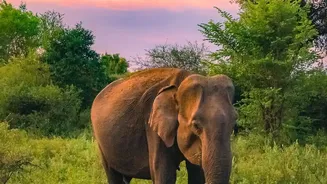
While the core zones of many famous tiger reserves close from July to September, several parks keep their buffer zones or specific areas open, offering fantastic monsoon adventures. In Rajasthan, Ranthambore National Park keeps its outer zones (6-10) accessible, where the Aravalli hills are draped in green. In Maharashtra, the buffer zones of Tadoba-Andhari Tiger Reserve are a prime destination for spotting wildlife against a lush backdrop. Further south, Karnataka’s Kabini (part of Nagarhole National Park) and Kerala's Periyar National Park are exceptional choices. Periyar, famous for its boat safaris on the vast lake, is particularly magical in the monsoon, offering frequent sightings of elephant herds near the water's edge. Even central India's famous parks, like Pench and Satpura, offer monsoon safaris in their buffer areas.
A Different Cast of Characters
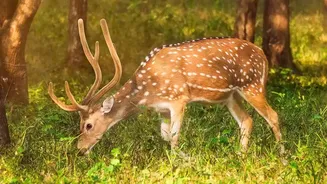
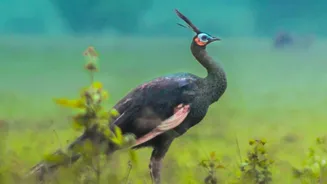
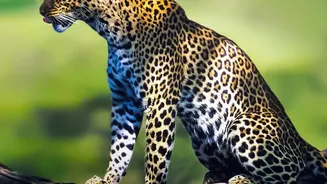
The change in season brings a shift in animal behaviour. While the dense foliage can make spotting tigers and leopards more of a challenge, it's far from impossible; in fact, predators may roam more to re-mark their territories washed clean by the rain. However, the monsoon is a spectacular time for other sightings. Herbivores like sambar deer, wild boars, and gaur are often seen grazing on fresh vegetation. It's an excellent season for birdwatching, with species like the Malabar pied hornbill and crested serpent eagle becoming more active. Peacocks, with their feathers at their most brilliant, are famous for dancing in the rain. The season also brings out a fascinating array of reptiles and amphibians, offering a glimpse into the smaller, often-overlooked wonders of the jungle.
Know Before You Go: Monsoon Safari Tips
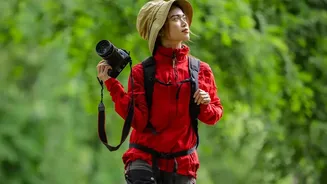
Packing correctly is key to enjoying a monsoon safari. Opt for quick-drying clothes in earthy tones and carry a reliable waterproof jacket and trousers. Protect your camera and electronic gear with waterproof bags or covers. Good waterproof footwear with a solid grip is essential for navigating potentially muddy terrain. Insect repellent is a must-have companion. When planning, build some flexibility into your schedule. Heavy rains can sometimes cause delays or temporary route closures, so it’s wise not to have a packed itinerary. Always book your safaris in advance, as only a limited number of vehicles are permitted, even in the off-season. Finally, embrace the unpredictability; the sudden downpours and misty mornings are all part of the unique charm of a monsoon adventure in the wild.