


The Allure of the Raw Sprout
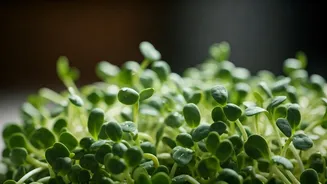
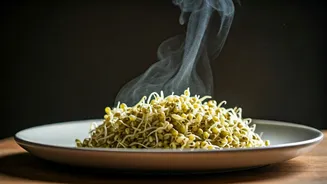
Let’s be honest: raw sprouts are appealing. They add a fantastic crunch and a burst of freshness to any dish. For decades, we’ve been told they are nutritional powerhouses, packed with vitamins, minerals, and enzymes. From moong and chickpeas to alfalfa
and broccoli sprouts, they've become a go-to for adding a quick, healthy element to our meals. The idea of eating them raw seems logical; it feels like we’re getting all of their natural benefits, unprocessed and untampered with. This perception has made them a staple in health-conscious kitchens and trendy cafes across India.
A Perfect Storm for Bacteria
Here's the catch. The very conditions that make sprouts grow are also a perfect breeding ground for harmful bacteria. To sprout, seeds and beans are kept in warm, humid environments for several days. Unfortunately, this is the exact same environment that bacteria like Salmonella, E. coli, and Listeria thrive in. The problem often starts with the seed itself. Bacteria can get into tiny cracks in the seed coat before the sprout even begins to grow. As the sprout develops, the bacteria multiply rapidly. This means that even sprouts grown in clean conditions, including at home, can be contaminated if the original seeds carried bacteria.
Can't I Just Wash Them Well?
This is the most common question, and the answer is, unfortunately, no. Rinsing raw sprouts can help wash away some surface bacteria, but it’s not a foolproof safety measure. Because the bacteria can be present inside the seed and grow into the tissue of the sprout itself, you simply can't wash them away. Food safety authorities around the world, including the US Food and Drug Administration (FDA), have stated that there is no amount of washing that can guarantee raw sprouts are safe to eat. This risk is why you often hear about outbreaks of foodborne illness linked to raw sprouts.
The Simple, Safe Solution: Cooking
The good news is there’s an incredibly simple way to eliminate this risk: cook your sprouts. Heat effectively kills the harmful bacteria that can make you sick. This transforms sprouts from a potential health hazard into a perfectly safe, nutritious food. You don't need to boil them into mush, either. A light cooking is all that’s needed to ensure they are safe. This simple step is especially important for children, pregnant women, the elderly, and anyone with a weakened immune system, as these groups are more vulnerable to foodborne illnesses.
But What About the Nutrients?
The next logical question is whether cooking destroys the nutritional value that makes sprouts so attractive in the first place. It’s a valid concern, but the trade-off is heavily in favour of cooking. While some heat-sensitive vitamins, like Vitamin C, may be slightly reduced by cooking, many other nutrients remain intact. In some cases, cooking can even be beneficial. It can break down certain anti-nutrients, making minerals like iron, calcium, and zinc more bioavailable—meaning your body can absorb them more easily. When you weigh a slight decrease in one vitamin against the complete elimination of a serious risk of E. coli or Salmonella, cooking becomes the obvious choice.
How to Cook Sprouts Right
Forget the image of overcooked, soggy sprouts. The goal is to cook them lightly to kill germs while retaining their pleasant texture and taste. Here are a few easy methods:
• **Stir-frying:** Add sprouts to your stir-fry during the last couple of minutes of cooking. They will heat through quickly while staying crisp.
• **Steaming:** Steam them for just 3-5 minutes. They’ll be tender-crisp and ready to be seasoned with a pinch of salt and pepper or your favourite masala.
• **Blanching:** Briefly dip the sprouts in boiling water for about a minute, then immediately transfer them to cold water to stop the cooking process. This is great for preparing them for salads, giving you safety and crunch.
• **Adding to Soups and Curries:** Toss them into your dal, soup, or curry right at the end of the cooking time. The residual heat will be more than enough to cook them safely.