


Ranthambore National Park, Rajasthan
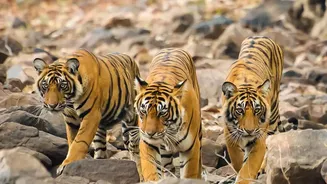
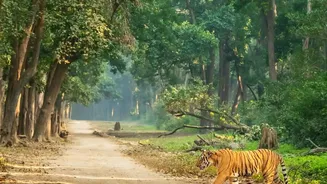
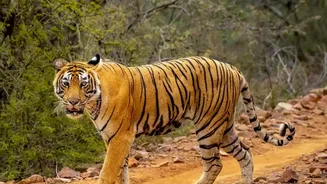
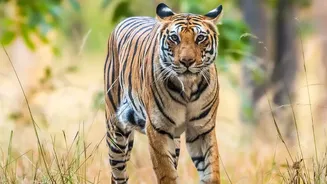
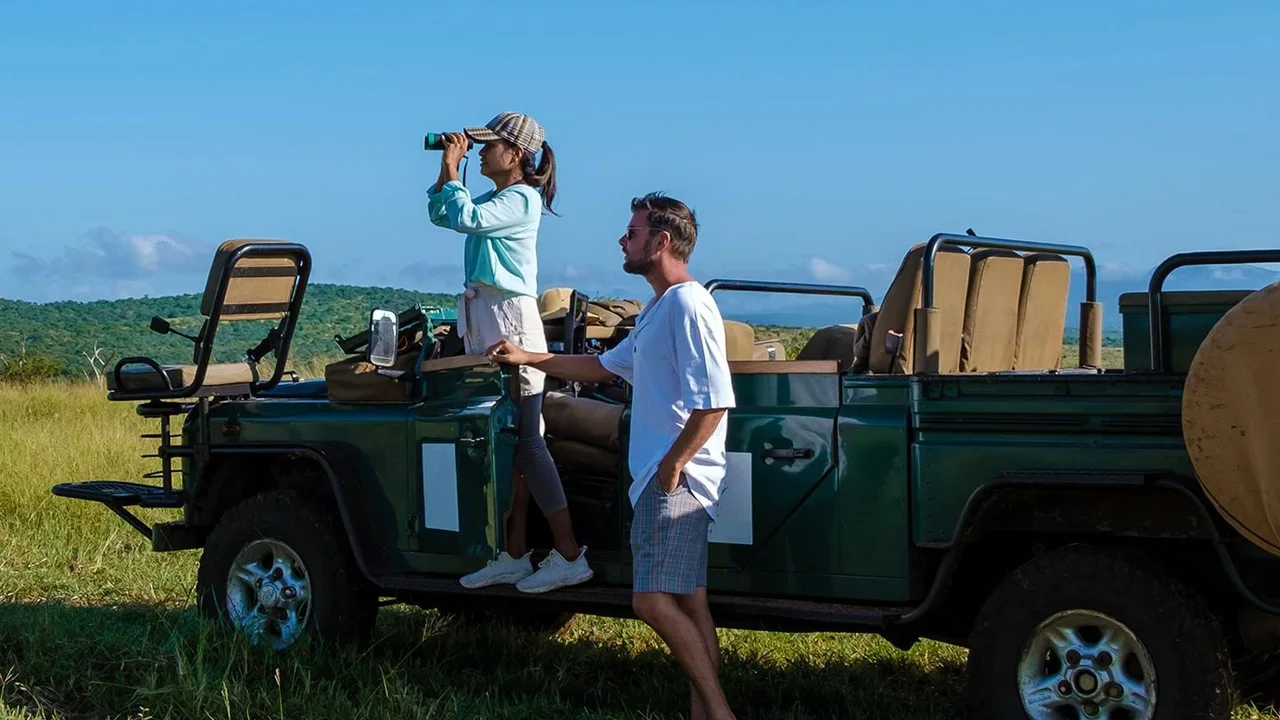
Famous for its population of Royal Bengal Tigers, Ranthambore is a premier destination for a winter safari. The cooler months from October to February provide pleasant weather for safari drives, and it's not uncommon to see tigers basking in the winter sun.
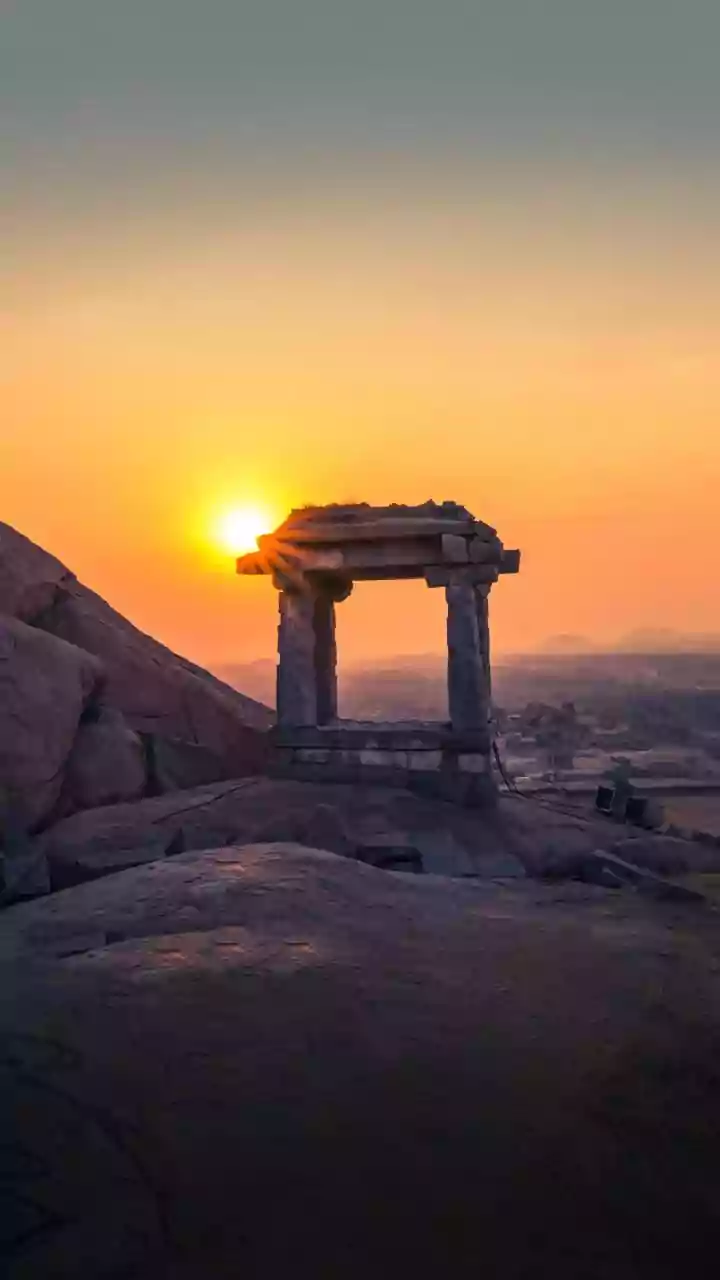
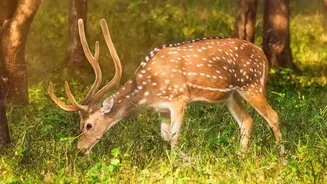
The landscape, a mix of dry deciduous forests, lakes, and ancient ruins including the formidable Ranthambore Fort, offers a stunning backdrop for wildlife photography. Besides tigers, the park is home to leopards, sloth bears, sambar deer, and a variety of birds. Morning safaris can be particularly magical, with mist hanging over the park's many water bodies. Given its popularity, it is wise to book safari permits well in advance, especially for the peak months of December and January.
Kaziranga National Park, Assam
A UNESCO World Heritage Site, Kaziranga is the global stronghold of the greater one-horned rhinoceros. The winter season, from November to February, is considered the best time to visit as the park is fully operational and the weather is mild and dry. The tall elephant grass thins out after the monsoons, dramatically improving visibility across the vast floodplains. This makes it easier to spot the park's 'Big Five': the one-horned rhino, Bengal tiger, Asian elephant, wild water buffalo, and swamp deer. Winter is also a paradise for birdwatchers, as thousands of migratory birds arrive from Central Asia, flocking to the park's wetlands.
Gir National Park, Gujarat
For a truly unique wildlife experience, head to Gir National Park, the only place in the world where you can see Asiatic lions in the wild. The winter months, from December to March, offer the most comfortable weather for exploring the park's dry teak forests. The pleasant temperatures mean the lions are more active throughout the day, increasing sighting opportunities during both morning and evening safaris. The arid landscape and sparser foliage make tracking these majestic predators easier. Beyond lions, Gir is also home to leopards, striped hyenas, and over 300 species of birds. The park remains closed during the monsoon season, so winter is an ideal time to plan your visit.
Keoladeo National Park, Rajasthan
Formerly known as Bharatpur Bird Sanctuary, Keoladeo is a UNESCO World Heritage Site and a haven for bird lovers, especially in winter. Between October and February, the park's wetlands become a wintering ground for thousands of migratory birds from Siberia, Europe, and Central Asia. You can explore the 29-square-kilometre park on foot, by bicycle, or on a cycle-rickshaw with a trained guide. Expect to see a breathtaking diversity of species, including bar-headed geese, northern pintails, greater spotted eagles, and the world's tallest flying bird, the resident sarus crane. The sheer concentration of avian life makes it one of the most rewarding and accessible wildlife experiences in India.
Hemis National Park, Ladakh
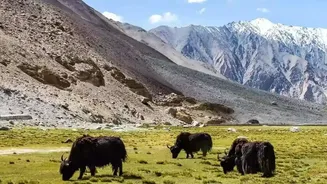
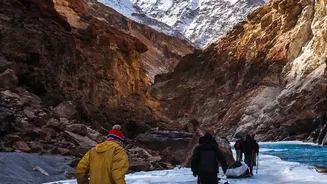
For the truly adventurous, a winter trip to Hemis National Park offers the chance to spot one of the most elusive big cats on earth: the snow leopard. This is not a typical jeep safari but a high-altitude trek in extreme cold, best undertaken between January and March. During these months, the 'Ghost of the Mountains' descends to lower altitudes in pursuit of prey like blue sheep, increasing the chances of a sighting. The journey through the starkly beautiful, snow-covered Rumbak Valley is a profound wilderness experience in itself. This expedition requires physical fitness, patience, and expert local guides, but the reward is a wildlife encounter few will ever experience.