



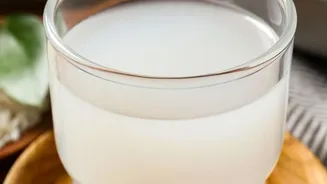
What Is This Ancient Superfood?
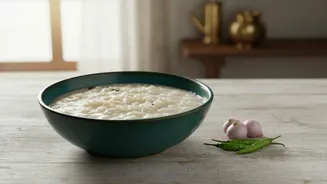
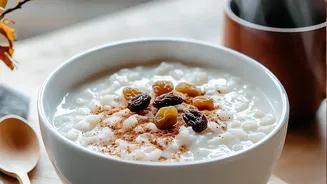
Pazhanthanji, also known as fermented rice gruel, is a traditional dish originating from South India. For generations, it was the breakfast of farmers and laborers, prized for providing sustained energy for a hard day's work. Its preparation is remarkably
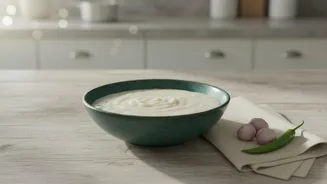
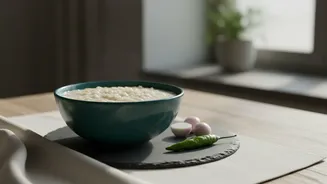
simple: leftover cooked rice is soaked in water and left to ferment overnight in an earthenware pot. The next morning, this humble porridge is often mixed with shallots, green chilies, or yogurt and consumed. While born from frugality, this age-old practice of fermenting rice unlocks a surprising array of health benefits that modern science is just beginning to appreciate fully.
The Simple Magic of Fermentation
The overnight soaking process is where the transformation happens. Wild, airborne yeasts and naturally present bacteria, including beneficial strains like Lactobacillus, begin to break down the starches and other compounds in the rice. This natural fermentation process creates a food rich in probiotics, the live microorganisms that are crucial for a healthy digestive system. It also produces resistant starch, a type of carbohydrate that resists digestion in the small intestine and instead feeds the beneficial bacteria in your colon, acting as a prebiotic. This simple, natural process essentially pre-digests the rice, making its nutrients more available to your body.
Your Gut's New Best Friend
The primary benefit of pazhanthanji lies in its powerful support for gut health. As a natural, food-based probiotic, it helps replenish the good bacteria in your intestines. A balanced gut microbiome is linked to improved digestion, reduced inflammation, and a stronger immune system. Regular consumption may help alleviate common digestive issues like constipation, bloating, and gastritis. The fermentation process also breaks down phytic acid, an anti-nutrient found in rice that can interfere with the absorption of minerals. This means your body can more easily access important nutrients like iron and calcium from the food.
More Than Just Probiotics
Beyond its probiotic power, pazhanthanji offers a host of other benefits. The fermentation process is known to increase the levels of B vitamins, particularly B6 and B12, which are vital for energy and neurological function. It is also incredibly hydrating and has a natural cooling effect on the body, making it a popular meal in hot climates. The presence of potassium can contribute to managing blood pressure, and the resistant starch may help in regulating blood sugar levels by preventing sharp spikes after a meal. It’s a low-calorie, nutrient-dense food that provides steady energy without the crash.
How to Bring Pazhanthanji to Your Kitchen
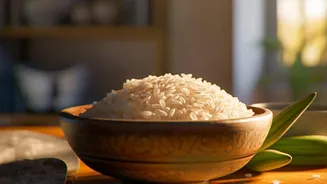
Making your own pazhanthanji is incredibly easy. Simply take leftover cooked rice (many traditionally use parboiled rice like Kerala Matta), place it in a clay or glass bowl, and cover it with room-temperature water. Cover the bowl loosely and let it sit on your counter overnight for at least 8-12 hours. In the morning, the water will be slightly cloudy and the rice will have a mildly tangy aroma. To serve, lightly mash the rice into the water, add salt to taste, and mix in your choice of additions. Common pairings include chopped shallots, crushed green chilies, plain yogurt or curd, and a side of pickles. It’s a refreshing, nourishing meal that can be adapted to your taste.