







The New Rhythm of Rain
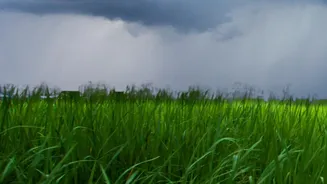
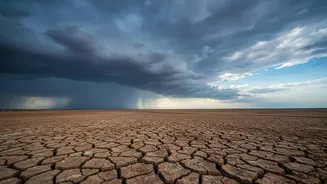
The monsoon, once a predictable seasonal event, is becoming increasingly volatile. Climate scientists point to a disturbing new trend: fewer rainy days, but more intense, concentrated downpours when it does rain. This is often followed by long, dry spells.
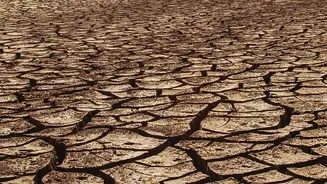
This pattern of extremes—short bursts of flooding and extended periods of drought—is replacing the steady, season-long rainfall that India's ecosystems have adapted to over millennia. A recent report highlighted this stark contrast, with some regions like Gujarat facing floods while neighbouring areas in Karnataka experience drought conditions. This shift means forests are simultaneously dealing with too much and too little water, creating unprecedented stress on ecosystems from the Himalayas to the Western Ghats.
From Thirst to Flood: The Forest's Silent Response
This altered rainfall pattern has profound consequences. Intense bursts of rain do not allow the soil to gradually absorb moisture; instead, they lead to significant topsoil erosion, washing away vital nutrients that trees need to thrive. This is particularly damaging for new seedlings, which are either washed away or left in nutrient-poor soil. Conversely, during the prolonged dry spells that follow, trees suffer from severe water stress. This can cause leaves to wilt, curl, and drop prematurely, a phenomenon known as leaf scorch. In evergreen species, needles may turn brown and entire branches can die back. This dual threat of flood and drought weakens trees, making them more susceptible to pests, diseases, and devastating forest fires, which are becoming more frequent in hotter, drier conditions.
Rewriting the Research Agenda
In response, India's forestry researchers are pivoting their focus. The central question is no longer just about total rainfall, but about its timing, intensity, and impact on different forest types. Scientists at institutions like the Forest Research Institute (FRI) in Dehradun and the Indian Institute of Science (IISc) in Bengaluru are leading this charge. Their work is moving from broad ecological surveys to highly specific, climate-focused studies. This includes long-term monitoring projects to track how specific tree species respond to moisture stress and analysing satellite data to map forest health and resilience across the country. One of the clearest findings emerging is that at a national scale, rainfall matters more than temperature in influencing changes in forest carbon.
A Glimpse from the Field
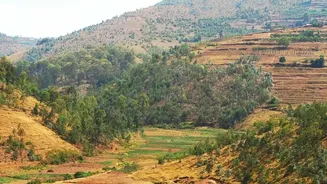
Research on the ground reveals a complex picture. In Central India's Panchmarhi Biosphere Reserve, for example, studies have linked shifting rainfall patterns and rising temperatures to a 13% loss in forest cover over nearly five decades. Dry teak forests were found to be particularly vulnerable. In the Western Ghats, scientists have found that changes in the forest's lifecycle, or phenology, can affect its productivity and weaken its ability to act as a long-term carbon sink. Studies by the Indian Institute of Tropical Meteorology (IITM) in Pune show that while India's overall forest carbon storage might increase, the gains will be uneven. Wetter forests in regions like the Northeast may be more resilient, while drier forests in the Deccan peninsula are more vulnerable to decline. This regional variability is forcing a move away from one-size-fits-all conservation policies toward more localised, climate-aware strategies.
What This Means for India's Green Future
The changing monsoon is a direct threat to the health and stability of India's forests. As researchers dig deeper, they are finding that some species may be unable to cope with these new conditions, potentially leading to shifts in forest composition, with drought-tolerant species outcompeting others. This has cascading effects on biodiversity, water security, and the livelihoods of communities that depend on forests. The work of India's scientists is crucial, as it provides the data needed to develop adaptive management strategies. This includes identifying and protecting resilient forest patches, promoting the planting of drought-resistant native species, and improving soil and water conservation measures to mitigate the damage from extreme rainfall events.