



Meet the Microbial Chefs
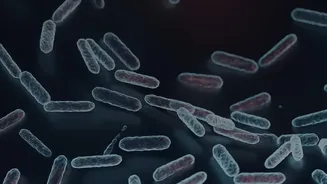
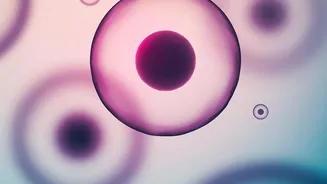
At the heart of every fermented food is a team of microscopic workers: bacteria, yeasts, and sometimes moulds. These microorganisms are the chefs, breaking down carbohydrates like sugars and starches in food to create a host of new compounds. This process,
which often happens without oxygen, is called fermentation. The two main players are Lactic Acid Bacteria (LAB) and yeasts. LAB are responsible for producing lactic acid, which gives foods like yogurt, kimchi, and sauerkraut their characteristic tangy and sour taste. Yeasts, on the other hand, are experts at converting sugars into alcohol and carbon dioxide gas. This is what makes bread rise and gives beer its bubbles. In many ferments, like sourdough, bacteria and yeast work together in a symphony, with bacteria providing the sourness and yeast creating the airy texture.
The Flavour Toolkit: Acids, Alcohols and More
The incredible range of flavours in fermented foods comes from the specific byproducts these microbes create. The most common flavour is sourness, which comes from acids. Lactic acid provides a clean, tangy sourness, while another compound, acetic acid (the stuff of vinegar), can lend a sharper, more pungent taste. But it's not all about being sour. Fermentation is a master at creating 'umami', the deep, savoury flavour found in foods like soy sauce and aged cheese. This happens when microbes break down proteins into their building blocks, including an amino acid called glutamate. Some microbes also produce a wide array of other compounds, including esters, which can contribute fruity or floral aromas, and alcohols that add their own distinct notes. The combination of these different compounds is what makes each fermented food unique.
A Transformation of Texture
Flavour isn't the only thing that changes during fermentation; texture undergoes a radical transformation as well. In dairy, lactic acid bacteria cause milk proteins to coagulate and thicken, turning liquid milk into creamy, semi-solid yogurt or dahi. In vegetables, the process can have the opposite effect. Microbes break down complex carbohydrates and pectins in the plant cell walls. This can soften vegetables, as seen in a long-fermented sauerkraut. In bread-making, the carbon dioxide gas produced by yeast gets trapped in the gluten network of the dough, creating the light, airy, and chewy texture of sourdough bread. Even the 'mouthfeel' of a beverage can be altered, with fermentation sometimes increasing viscosity to give drinks more body.
The Importance of Environment
The final flavour and texture of a fermented food aren't just decided by the microbes, but also by their working conditions. Temperature is a crucial factor. Warmer temperatures speed up fermentation, but can sometimes lead to mushier textures or overly sharp flavours. Cooler temperatures slow the process down, often resulting in more complex and nuanced flavours. For example, a vegetable ferment at a lower temperature might develop a tangier, crisper profile. Salt is another key variable, especially in vegetable ferments. It plays a critical role by drawing water out of the vegetables to create a brine and suppressing the growth of harmful bacteria, allowing the beneficial lactic acid bacteria to thrive. The amount of salt can influence both the speed of fermentation and the final texture of the product. Together, these factors create a unique environment that guides the microbial chefs to produce a specific culinary masterpiece.