





The Art of Damage-Free Hanging
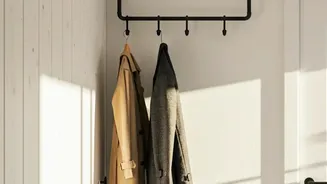
Removable hooks are a renter’s best friend, allowing you to hang everything from art to coats without drilling a single hole. When choosing hooks, the primary factor is weight capacity. Always select a hook rated for more weight than the item you plan
to hang. Brands like Command offer a wide range of options, from small utility hooks for keys to heavy-duty versions for mirrors and frames. Before applying any adhesive hook, clean the wall surface with rubbing alcohol to remove dust and oils, which ensures a stronger bond. Wait at least an hour after application before hanging anything to allow the adhesive to set properly. Proper removal is just as important to prevent peeling paint or leaving residue. Most adhesive hooks are designed to be removed by slowly stretching the tab straight down until it releases from the wall. For a stylish touch, you can find hooks in various finishes, from clear plastic that blends in to decorative metal or ceramic designs.
Mastering the Art of Stacking
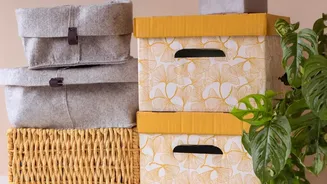
Stackable boxes are essential for taming clutter and maximizing vertical space in closets, under beds, and in pantries. The first decision is material. Durable plastic boxes are great for protecting contents from moisture and are easy to clean, making them ideal for garages or basements. Fabric bins are lighter and can add a decorative touch to living spaces. When selecting boxes, aim for uniformity. Using boxes of the same brand or product line ensures they will stack securely without sliding. Check that the lids are flat and the bases have grooves or a non-slip design for stability. Pay attention to both the external and internal dimensions to ensure they fit your space and your belongings. Clear boxes allow you to see the contents at a glance, but opaque boxes can create a tidier, more uniform look; in that case, consistent labeling is key. For items you don't access often, like seasonal clothing, stackable bins are a perfect solution.
When You Need a Bigger Box
For major life events like a move, a renovation, or simply when you’ve outgrown your apartment’s storage, a portable storage unit can be a lifesaver. These containers are delivered to your location, allowing you to pack at your own pace. Choosing the right size is the most important step. A small container, around 8 to 12 feet, is typically sufficient for a studio or one-bedroom apartment. A medium, 16-foot container is one of the most popular sizes and works well for two-bedroom apartments. Before renting, check with your landlord or building management about any restrictions on placing a container on the property. When comparing companies, ask about the total cost, which usually includes delivery, one month’s rent, and transportation. Be aware that costs can fluctuate based on the season, with prices often rising during peak moving months. Also, inquire about security features at the storage facility if you plan to store the unit off-site for an extended period.
A Renter's Smart Storage Mindset
The key to successful rental storage is a strategy built on flexibility and temporary solutions. Think vertically by using over-the-door organizers for shoes, toiletries, or pantry items. Freestanding shelves and rolling carts offer storage that can move with you from room to room, and from one apartment to the next. Furniture that pulls double duty, like a storage ottoman or a bed with built-in drawers, provides hidden space for blankets, books, and other items without taking up more floor space. By combining these smart, damage-free solutions, you can create a functional, organized, and personalized home that respects the rules of your lease and, most importantly, protects your security deposit.