






The Annual High-Stakes Balancing Act
For states in southern and eastern India, the northeast monsoon is a period of intense water management. The challenge is twofold: first, to safely handle the massive influx of rainwater that arrives in a short, intense period to prevent downstream flooding.
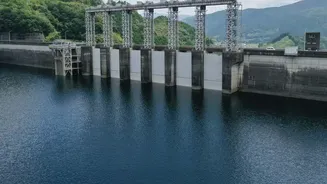
Second, to store enough of that water to meet the needs of millions for drinking, irrigation, and industry during the long, dry months that follow. This makes reservoirs the most critical tool in managing India's water. The tendency is often to keep reservoirs as full as possible towards the end of the monsoon to maximize storage. However, this strategy carries immense risk. If a sudden, intense downpour occurs when the reservoirs are already near capacity, operators may be forced into large, emergency releases that can inundate downstream communities.
What is 'Rule Curve' Management?
This is where a 'rule curve' becomes essential. A rule curve is a scientifically developed operating manual for a reservoir. It provides a pre-determined schedule of what the water level in a dam should be at different times of the year. This isn't just a random chart; it's a guide that balances multiple, often conflicting, priorities: ensuring enough empty space to absorb floodwaters (flood moderation), keeping enough water for agriculture and drinking (conservation), and generating hydropower. For instance, the rule curve dictates that reservoir levels should be lower before the peak monsoon to create a buffer for heavy inflows. As the monsoon season progresses, the level is gradually allowed to rise. Sticking to this plan helps prevent panic-driven decisions during a crisis and ensures that releases are planned and regulated.
The Dangers of Getting It Wrong
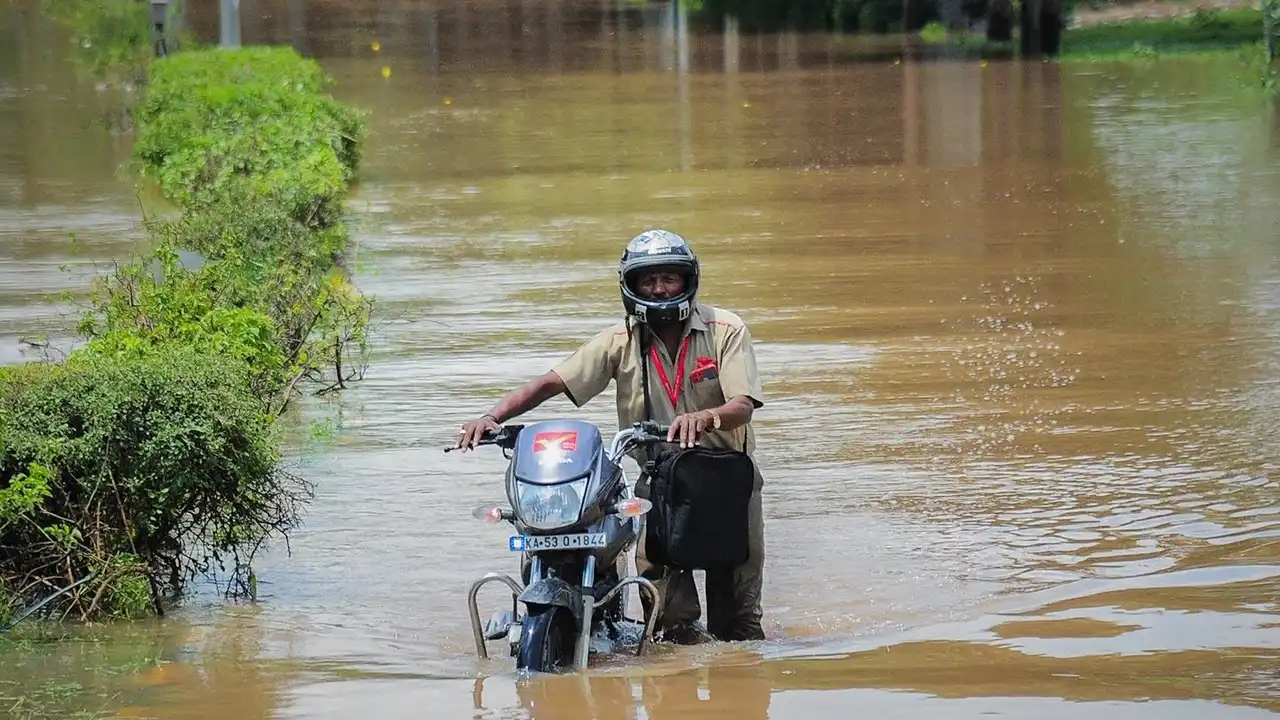
The consequences of mismanaging reservoir levels are severe and have been tragically demonstrated in the past. If operators hold too much water and a late, heavy spell of rain arrives, they may have no choice but to release massive quantities of water suddenly. Past flood events in Chennai have been linked by experts and official reports to the 'injudicious' and abrupt release of water from reservoirs like Chembarambakkam, which were already full. This turned heavy rainfall into a devastating, man-made catastrophe. On the other hand, being too cautious and releasing too much water early in the season carries its own risk. If the latter half of the monsoon fails, the region could face severe water scarcity, impacting agriculture that millions of farmers depend on and threatening drinking water supplies for major cities.
Beyond Dams: A Holistic Approach
Effective water management isn't just about operating large dams correctly. It involves a much broader strategy. The storage capacity of reservoirs is steadily decreasing due to the accumulation of silt, a process called sedimentation. This reduces the space available to both store water and absorb floods. Regular desilting of not just large reservoirs, but also smaller urban lakes and canals, is crucial to maintaining their capacity. Furthermore, protecting the catchment areas—the forests and lands that feed water into the reservoirs—and restoring natural water bodies like wetlands helps slow down water flow and allows more of it to seep into the ground, recharging aquifers. This provides a natural buffer against both floods and droughts.
Adapting to a Changing Climate
Climate change is making this balancing act even more difficult. The northeast monsoon is becoming more erratic, with scientists observing an increase in short-duration, intense rainfall events. Old rule curves, often based on historical data from decades ago, may no longer be adequate for these new patterns. This has led to calls for a more dynamic approach to reservoir management. Modern strategies involve using advanced weather forecasting to make decisions a week or more in advance, using real-time data on inflows and downstream river capacity, and coordinating releases between all dams within a single river basin to prevent cumulative impacts. This smarter, more adaptive approach is essential for navigating the increasing unpredictability of our weather.