




The Power of a High-Fibre Start
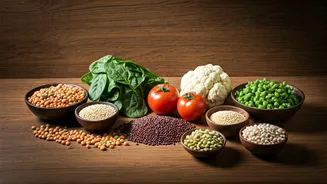
Dietary fibre is a carbohydrate that aids digestion, helps regulate blood sugar, and keeps you feeling full longer, which can prevent overeating later in the day. [4, 6] A breakfast high in fibre provides a steady release of energy, avoiding the dreaded
mid-morning slump. [4, 9] Experts recommend adults consume between 25 and 35 grams of fibre daily, but many people fall short. [12] Starting your day with a fibre-conscious meal is an effective way to meet this goal while enjoying incredible health benefits, including improved gut and heart health. [4, 14] The good news is that boosting the fibre in your breakfast is easier than you think.
Upgrade Your Upma
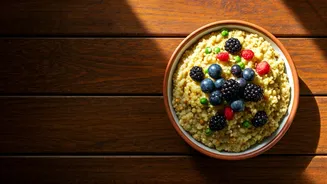
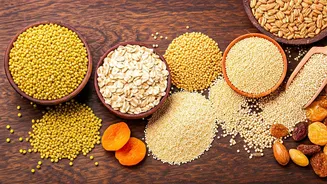
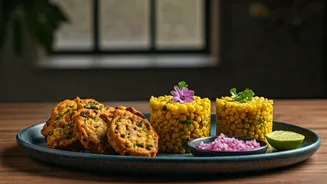
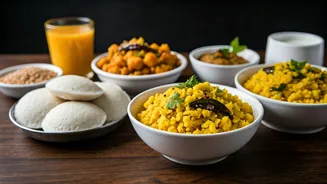
Traditional upma, made from semolina (rava), is a quick and comforting breakfast. To give it a significant fibre boost, swap the semolina for broken wheat (dalia), oats, or millets like foxtail or barnyard millet. [3, 8] These whole grains are packed with fibre and nutrients. When preparing, be generous with vegetables like carrots, peas, and beans to not only add more fibre but also vitamins and texture. [19] You can prepare millet upma just like the traditional recipe, sautéing vegetables and then cooking the millet until soft and fluffy for a wholesome and satisfying meal. [15, 16]
Perfect Your Poha
Poha is a beloved staple across India, but simple tweaks can make it even healthier. Opt for brown or red rice poha instead of the white variety. [3, 18] Because it retains the bran layer, it's naturally higher in fibre and B-vitamins. [3] Be generous with add-ins. Load your poha with vegetables, boiled sprouts, and peanuts to increase fibre, protein, and crunch. [3, 18] For an extra boost, sprinkle a spoonful of flaxseeds or chia seeds on top before serving. [2, 12] You can also substitute the traditional potato with nutrient-dense sweet potato, which is high in fibre and antioxidants. [10]
Rethink Your Idli and Dosa
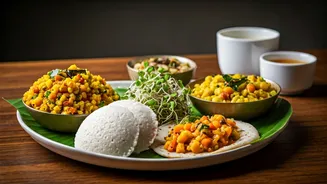
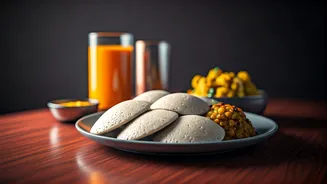
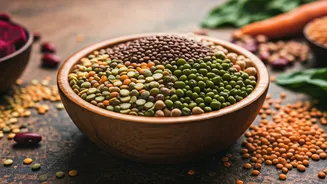
Soft idlis and crispy dosas are iconic South Indian breakfasts. To increase their fibre content, move beyond white rice. Create a batter using brown rice, ragi (finger millet), or other millets like jowar (sorghum) for a nutrient-dense alternative. [3, 7] Another powerful option is to create a multi-dal batter, combining various lentils like moong dal, urad dal, and chana dal, which are all excellent sources of both fibre and protein. [30] You can also incorporate ingredients like oats or even whole soybeans into your batter for a soft, nutritious, and high-fibre result. [2, 26, 29]
Power-Up Your Parathas
You don't need to give up parathas to eat healthy. Instead of using refined white flour (maida), make your dough with whole wheat flour (atta). For an even bigger fibre hit, create a multigrain dough by mixing in flours like ragi, bajra (pearl millet), or besan (gram flour). [3] The real magic, however, is in the stuffing. Pack your parathas with fibre-rich vegetables like grated cauliflower, cabbage, leafy greens like spinach (palak) or fenugreek (methi), or even grated bottle gourd (lauki). [3, 5, 27] These additions make the paratha more filling and incredibly nutritious.
Cheela, The Savoury Pancake
The cheela, or savoury pancake, is already a fantastic high-protein and high-fibre option, especially when made from moong dal or besan. [2] To elevate it further, use sprouted moong dal for the batter, which increases its fibre and protein content significantly. [3] Finely chop and add vegetables like spinach, carrots, onions, and capsicum directly into the batter. [5] This not only adds fibre but also a wonderful flavour and texture. Served with a side of yogurt or mint chutney, a vegetable-loaded cheela is a perfect, balanced breakfast that is both light and filling. [7]