








Understanding the Headline Number
The 5.4% figure comes from the Periodic Labour Force Survey (PLFS), conducted by the National Statistical Office (NSO). It represents the percentage of people aged 15 and above who were actively looking for a job but couldn't find one during the specified
quarter. This particular survey shows a slight increase from the 5.0% rate recorded in the previous quarter (January-March 2026), bringing it to a four-quarter high. This suggests that after a period of improvement, the job market faced some headwinds as the new financial year began. On a year-on-year basis, however, the rate is largely unchanged from the same period in 2025, indicating a level of stability rather than a sharp downturn.
The Urban-Rural Divide
The single national average doesn't tell the whole story. The survey reveals different pressures in urban and rural India. The urban unemployment rate edged up slightly to 6.7%, while the rural rate saw a more noticeable climb to 4.8%. While urban joblessness remains higher in absolute terms, the faster rise in rural unemployment is a point of concern. This could reflect various factors, including the seasonality of agricultural work and slowing non-farm opportunities. It highlights that economic conditions and job availability are not uniform across the country, requiring different policy approaches for cities and villages.
A Worrying Trend for Youth
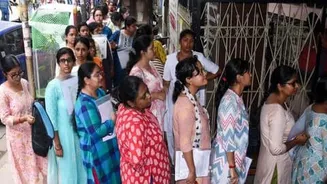
Perhaps the most alarming detail within the report is the spike in youth unemployment. For the 15-29 age group, the jobless rate jumped to 15.9%, the highest in the current PLFS series. This trend signals significant distress for young people entering the workforce. The situation is particularly severe for young women, whose unemployment rate soared to a series high of 19.6%. This indicates that even as the economy grows, it is struggling to create enough suitable opportunities for its youngest and increasingly educated demographic, posing a major challenge to harnessing India's famed demographic dividend.
The Challenge of Female Labour Participation
Beyond just unemployment, the survey sheds light on a deeper structural issue: the Labour Force Participation Rate (LFPR), which measures the share of the population that is working or seeking work. The overall LFPR actually declined in the quarter to 54.6%. The decline was more pronounced for women, whose overall LFPR fell to 33.2%. While rural female LFPR is significantly higher than in urban areas, participation for women in cities remains stubbornly low. This persistent gender gap means a vast pool of talent remains outside the formal economy, limiting both household incomes and national economic potential.
Quality of Work Matters
It's also crucial to remember that the unemployment rate doesn't capture the full picture of the labour market. It doesn't measure underemployment—where people are working fewer hours than they want—or the quality of employment. A person with a precarious gig or contributing to a family farm without formal pay is still considered 'employed'. On a positive note, the survey did find a slight increase in the share of regular wage and salaried employees in both rural and urban areas. This suggests a slow but important shift towards more formal and stable employment, even as the headline unemployment number rose.