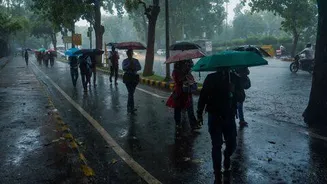




A Green Paradise Reimagined
When you picture Goa, you likely imagine sun-drenched shores and blue skies. But from June to September, the state undergoes a breathtaking transformation. The monsoon season washes over the landscape, turning the sun-baked countryside into a vibrant,
emerald paradise. The dusty plains and hills are reborn, covered in lush greenery, while rivers swell and waterfalls that are mere trickles in the dry season become thunderous cascades. This isn't the Goa of December postcards; it’s a living, breathing ecosystem at its most dynamic. The air is fresh, the temperatures are cooler, and the entire state adopts a 'susegad' (a relaxed, contented attitude) that is far more profound than during the bustling peak season.
Activities Beyond the Beach
The off-season prompts a shift in focus from the sea to the hinterlands. While the rough seas make swimming unsafe and many beach shacks close, a world of other activities opens up. The star attraction is trekking to spectacular waterfalls like Dudhsagar, which is at its majestic peak during the rains. Nature trails in the Western Ghats, shrouded in mist, offer incredible hiking and bird-watching opportunities. You can explore spice plantations, which are intensely fragrant and lush after a downpour, or try kayaking on the serene, mangrove-lined backwaters of rivers like the Chapora. Even heritage sites in Old Goa and the colourful Latin Quarter of Fontainhas in Panjim take on a romantic, rain-washed charm, best explored without the usual throngs of tourists.
The Perks of Peace and Quiet
Perhaps the most significant draw of off-season Goa is the blissful lack of crowds. The frenetic energy of December is replaced by a tranquil calm. Roads are clearer, allowing for leisurely drives through stunning scenery. You can have long stretches of beach almost to yourself for contemplative walks, even if you can't swim. This peace extends to restaurants, cafes, and attractions; there are no long queues or fighting for a good spot. This slower, more intimate atmosphere allows for a deeper connection with the local culture. You can interact more meaningfully with locals, explore sleepy villages, and witness unique monsoon festivals like São João in June or Bonderam in August.
Your Wallet Will Thank You
Beyond the aesthetic and spiritual benefits, there's a very practical reason to visit Goa during the monsoon: it's incredibly budget-friendly. With tourist numbers down, airlines and hotels slash their prices. Accommodation rates can drop by as much as 40-60% compared to the peak winter season. This means you can afford a level of luxury—a boutique hotel or a premium resort—that might be out of reach in December. Vehicle rentals are cheaper, and many restaurants and spas offer off-season discounts, allowing you to have a rich, indulgent holiday without breaking the bank.
Planning Your Monsoon Getaway
A monsoon trip requires a different kind of planning. Pack light, quick-drying clothes, a reliable raincoat, and waterproof footwear. Be prepared for rain, but know that it rarely pours all day; you'll often get windows of clear weather perfect for exploring. Renting a car is often a better choice than a scooter for staying dry and navigating potentially slippery roads. While many beach shacks close, North Goa areas like Candolim, Calangute, and Baga keep a good number of restaurants and bars open. However, the real charm lies in exploring the lush interiors and the tranquil beaches of South Goa. Above all, embrace a flexible mindset. A monsoon holiday is less about a packed itinerary and more about slowing down and enjoying the serene, romantic atmosphere.