



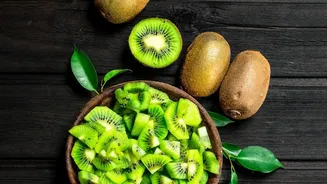
Choosing the Right Kiwi Vine
Before you even think about sunlight or soil, your first major decision is selecting the right type of kiwi plant. Most kiwifruit varieties are dioecious, which means you need separate male and female plants for pollination to occur and for the female plants to bear
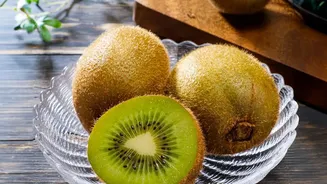
fruit. Typically, one male vine can pollinate up to eight female vines and should be planted nearby. If you only have space for a single plant, you must choose a self-fertile variety. Varieties like 'Issai' are hardy, self-pollinating, and can even fruit within the first or second year, making them an excellent choice for beginners or those with smaller gardens. The common fuzzy kiwi found in stores, often the 'Hayward' variety, requires both a male and female plant and thrives in milder winter climates. Hardy kiwis, on the other hand, produce smaller, smooth-skinned fruit and are more tolerant of colder temperatures.
The Critical Role of Sunlight
Kiwifruit vines are sun-worshippers. To thrive and produce a generous harvest, they require a location that receives full sun, which translates to at least six hours of direct sunlight each day. A south- or west-facing position is often ideal, as it maximises exposure and helps ripen the fruit effectively. While the vines love sun, their roots prefer to stay cool, so a layer of mulch around the base of the plant can be beneficial. Adequate sunlight is directly linked to photosynthesis, which fuels the plant's growth and, most importantly, the development of sweet, flavourful fruits. Insufficient light can lead to weak growth, fewer flowers, and small, underdeveloped fruit. When planting, also consider protection from strong winds, which can damage the vigorous vines and young shoots.
The Art and Science of Pruning
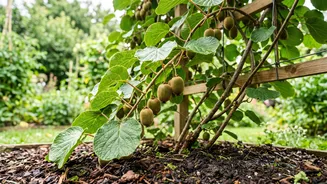
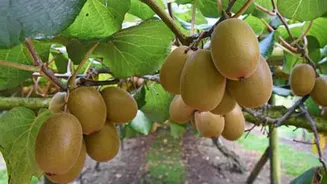
Pruning is arguably the most intimidating task for new kiwi growers, but it is absolutely essential for managing the vine's vigorous growth and encouraging fruit production. Kiwis produce fruit on the current season's growth that sprouts from one-year-old wood (canes from the previous season). Without pruning, the vine becomes a tangled mess that shades out the very wood needed for fruiting. Pruning is a twice-a-year job. The main structural pruning happens in the winter when the plant is dormant. During this time, you should remove canes that have already fruited, cut back weak or dead wood, and select strong, new one-year-old canes to form the fruiting structure for the coming season. A second, lighter pruning is done in the summer. This involves trimming back excess vegetative growth to allow more sunlight to reach the developing fruit and improve air circulation, which helps prevent disease.
Essential Foundations: Support, Soil, and Water
Beyond sun and pruning, a few other basics set the stage for success. Kiwi vines are vigorous climbers that can reach lengths of over 20 feet, so they need a substantial support structure from day one. A sturdy trellis, pergola, or fence is necessary to hold the weight of a mature, fruit-laden vine. The soil should be well-draining and slightly acidic, with a pH between 6.0 and 6.5. These plants dislike 'wet feet', so heavy clay soils that retain too much water can lead to root rot. Amending your soil with plenty of organic matter like compost will create an ideal growing medium. Consistent watering is also crucial, especially during the growing season and as the fruit begins to set. Water the vines deeply once or twice a week, depending on weather, to keep the soil moist but not waterlogged.
Patience, Pollination, and the First Harvest
Growing kiwifruit is a long-term commitment. After planting, it can take three to five years for female vines to mature and begin producing their first crop. During this time, focus on establishing a strong trunk and framework on your trellis. Once the vines start flowering, pollination becomes the final key to getting fruit. While wind plays a small role, bees are the primary pollinators. If you have both male and female plants, nature will often take its course, provided the flowering times of your chosen varieties overlap. After successful pollination, the fruit will develop over the summer and is typically ready for harvest in the autumn. With a well-chosen variety, plenty of sun, and disciplined pruning, you'll be well on your way to enjoying the delicious rewards of your efforts for years to come.