






More Than Just Free Wi-Fi
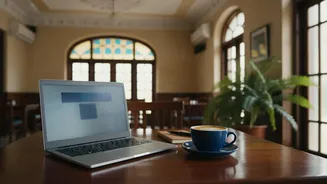
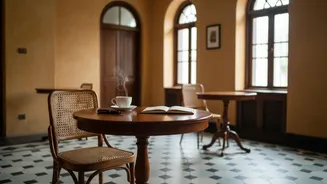
The migration of Kolkata’s growing freelance workforce to its heritage cafes is about much more than a stable internet connection. In a city that wears its history with pride, these spaces offer an ambience that modern co-working hubs cannot replicate.
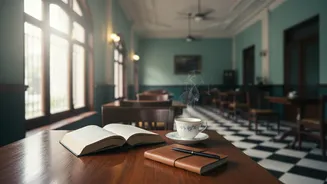
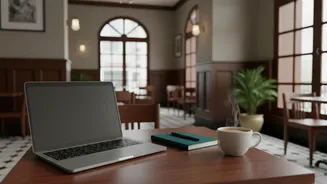
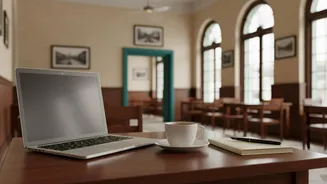
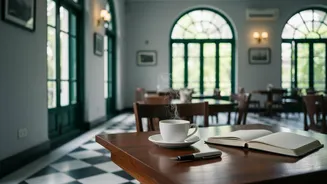
For many writers, designers, and consultants, the allure lies in the ambience. The high ceilings, vintage furniture, and the gentle clinking of cutlery provide a backdrop of comforting nostalgia. These cafes are not just places to work; they are spaces that inspire. This trend represents a desire to connect with the city's rich cultural past, turning the workday into an experience rather than a task. The preference for these establishments shows a move towards work environments that offer character and a sense of belonging.
The Legacy of 'Adda'
Kolkata's cafe culture is deeply rooted in 'adda', the art of intellectual, free-flowing conversation. For centuries, these spaces have been the crucibles of revolutionary ideas, literary movements, and political discourse. The legendary Indian Coffee House on College Street, for instance, was a meeting ground for figures like Satyajit Ray and Amartya Sen, and it played a role in movements from the freedom struggle to the rise of little magazines. Today's freelancers are, in a way, the modern inheritors of this legacy. While their tools are laptops instead of notebooks, they are drawn to the same intellectual energy. Working alongside students, artists, and thinkers creates a unique sense of community, a silent camaraderie that combats the isolation often associated with remote work. These cafes remain hubs where ideas are exchanged, even if just through the shared, creative atmosphere.
An Anatomy of the Perfect Spot
Several iconic cafes have emerged as freelancer favourites. The Indian Coffee House, with its cavernous hall and unhurried pace, allows patrons to linger for hours over affordable coffee. While it has become busier recently, its core identity as an intellectual hub remains. Flurys, the legendary tearoom on Park Street founded in 1927, offers a different flavour of heritage. Its old-world European elegance provides a more polished and serene environment for focused work, complete with classic English breakfasts. Newer establishments are also embracing this model by renovating old residential homes into aesthetic cafes, a trend particularly visible in South Kolkata. These places often consciously blend heritage architecture with modern needs, providing the Wi-Fi, power outlets, and artisanal coffee that today's worker requires, creating a perfect marriage of past and present.
A Mutually Beneficial Relationship
This trend offers a lifeline to many heritage establishments. The steady weekday traffic from freelancers provides a consistent revenue stream, helping to offset the high maintenance costs of these historic buildings. While some cafe owners were initially wary of patrons occupying tables for long hours, many have come to see the value in this loyal customer base. It creates a vibrant, lived-in feel that attracts other customers. For the freelancers, the benefits are clear: an affordable, inspiring workspace that doubles as a connection to the city's soul. In a world of transient digital work, these cafes provide an anchor—a physical space rich with history and character. This symbiotic relationship helps preserve the city's architectural and cultural heritage by keeping it relevant and integrated into modern daily life.