




The Moon: A Crucial Proving Ground
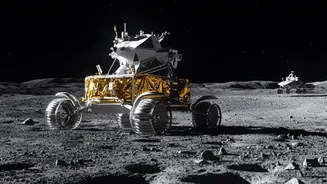
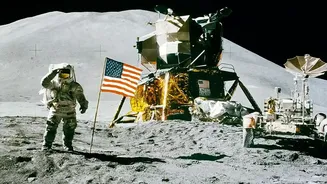
Before humanity takes its next giant leap to Mars, it will take a significant, sustained step on the Moon. NASA's Artemis program isn't just about planting flags; it's about building a long-term presence. The Moon serves as a vital proving ground for the technologies,
operational strategies, and safety protocols required for a much more ambitious Mars mission. Its relative proximity to Earth makes it a lower-risk environment to test everything from life support systems and habitats to resource extraction techniques. Every challenge solved on the lunar surface—from dealing with abrasive dust to generating power—is a direct dress rehearsal for the far greater challenges awaiting on the Red Planet. This 'Moon to Mars' strategy is a methodical, objective-driven approach to ensure that when astronauts finally head to Mars, they are as prepared as possible.
Searching for Resources and Shelter
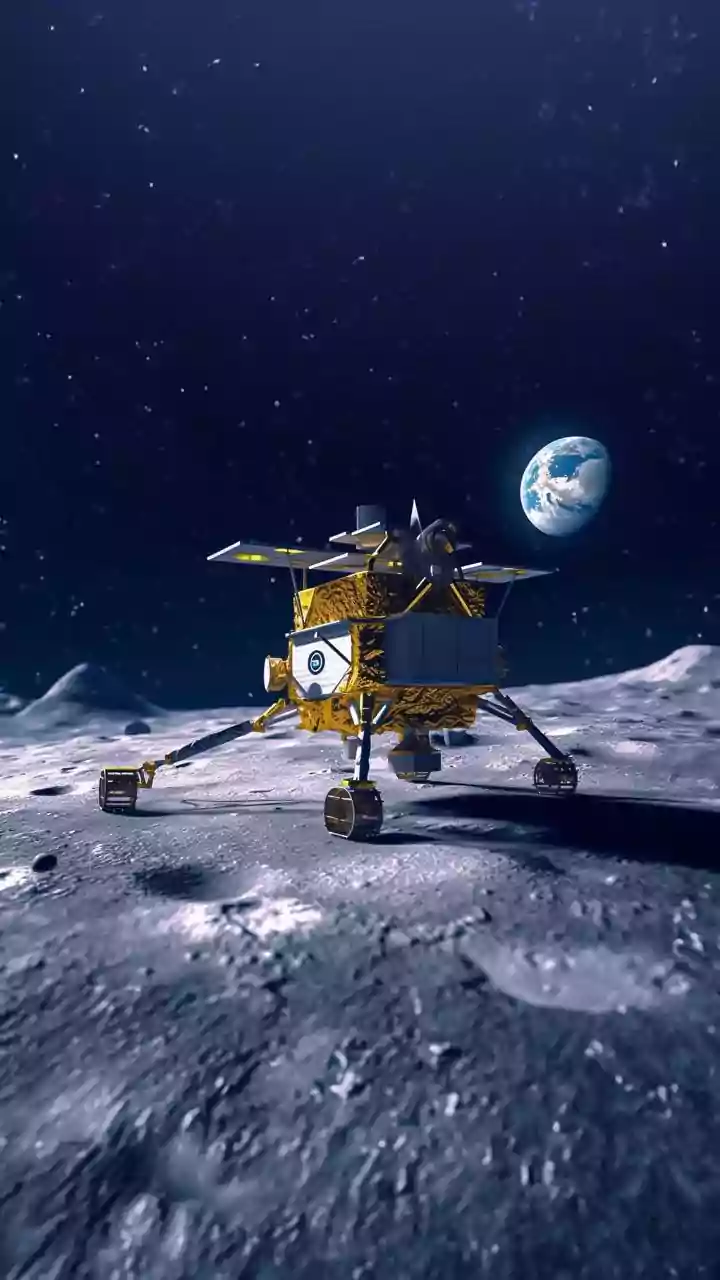
Among the newly selected investigations are instruments designed to find and analyse two of the most critical resources for a permanent outpost: water ice and shelter. The Depth Imager with Spectral and Color Optics (DISCO) payload will provide the first direct, on-the-ground measurements of ice hidden in the Moon's micro-cold traps. Finding accessible water ice is a game-changer; it can be processed into breathable air for astronauts and hydrogen and oxygen for rocket fuel. Another payload, the Geophysical Instruments for Marius Lunar pit Investigation (GIMLI), will explore a lunar pit to see if it leads to an underground lava tube. Such subterranean caves could offer future astronauts ready-made protection from extreme temperature swings and harmful solar radiation, serving as natural habitats and drastically reducing the risks of long-duration stays.
Monitoring a Hazardous Environment
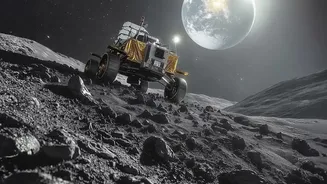
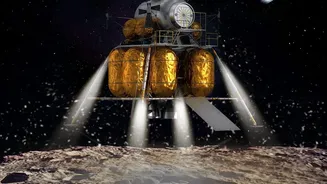
The Moon may look peaceful, but it's a harsh environment. To ensure astronaut safety and the durability of equipment, NASA is sending the Lunar Environment Monitoring Station – South Pole (LEMS-SP). This autonomous suite of instruments will act as a long-term weather station, monitoring seismic activity from things like micrometeoroid impacts and tracking the abundance of volatile materials in the Moon's thin atmosphere. This data is crucial for designing hardware, habitats, and rovers that can withstand the lunar environment. Furthermore, understanding how rocket exhaust disturbs the lunar soil, or regolith, is critical for ensuring safe and stable landing and launch operations—a lesson that will be directly applicable to dusty Martian landing sites.
Connecting Lunar Lessons to Martian Ambitions
Each piece of data gathered on the Moon is a building block for the Mars architecture. The techniques used to drill for ice on the Moon will inform how we search for subsurface water on Mars. The knowledge gained from studying the Moon's geology and volcanic history helps scientists refine what to look for when searching for evidence of past life on Mars. Even the development of advanced nuclear power systems, intended to survive the long, cold lunar nights, is being fast-tracked with Mars in mind, as such systems could significantly reduce the travel time for a crewed mission. These investigations, delivered by commercial partners under NASA's Commercial Lunar Payload Services (CLPS) initiative, are not isolated experiments; they are integral parts of a deliberate, multi-decade plan to extend humanity's reach into the solar system.