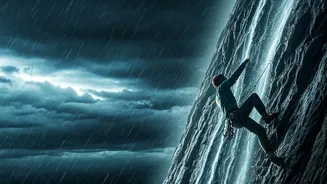



The Allure of the Monsoon Climb
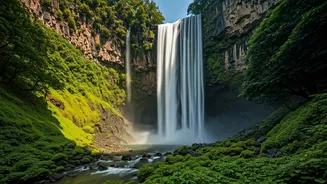
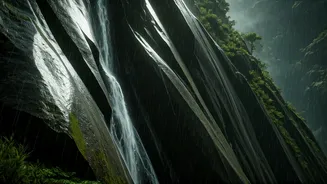
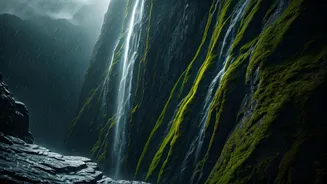
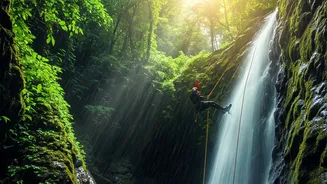
Let's be honest, the appeal is undeniable. The oppressive heat is gone, replaced by a cool, misty atmosphere. The dusty crags of the Sahyadris or the boulders of Hampi are transformed into lush, mystical landscapes. The crowds vanish, leaving you with
a profound sense of solitude and a deeper connection to nature. For experienced climbers, it's also a new puzzle. The routes you know by heart suddenly become different, demanding a fresh approach, more focus, and a new level of respect for the rock. It’s not about pushing grades; it’s about the raw, elemental experience of moving through a transformed world.
The Sobering Reality of the Risks
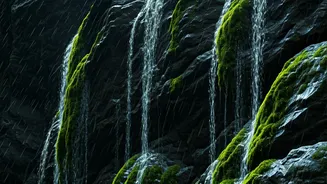
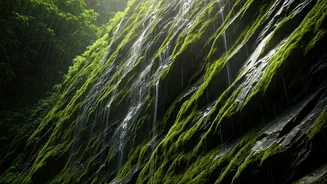
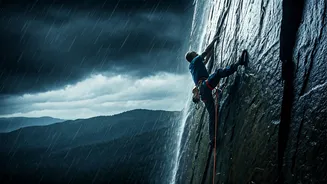
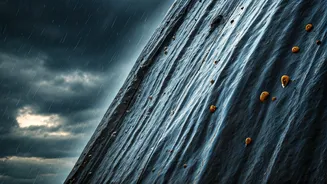
Before you pack your bag, it's time for a serious reality check. Monsoon climbing multiplies the inherent dangers of the sport. Your primary enemy is water. Rock faces, especially granite and basalt common in the Western Ghats, become incredibly slick. Holds that were once solid can feel like greased glass. Water seeps into cracks, loosening flakes of rock and vegetation, turning reliable handholds into potential hazards. Your gear is also compromised. Ropes absorb water, becoming heavy and difficult to handle, and losing some of their dynamic properties. Standard chalk becomes a useless, slimy paste. Beyond the rock itself, the environment is hostile. Lightning is a real and present danger on exposed ridges, and flash floods can turn a gentle approach gully into a deadly torrent in minutes.
Gearing Up Differently
If you're still considering it, your gear needs a monsoon-specific upgrade. This isn't the time for your regular kit.
**Footwear:** Your shoes are your most critical piece of gear. You need a pair with the 'stickiest' rubber possible. Many climbers swear by specific models known for their performance on wet rock. Ensure they fit snugly, as your feet will be doing most of the work.
**Chalk:** Forget your chalk bag. It will turn into a clumpy mess. Invest in liquid chalk, which provides a better base layer of grip, or explore traditional 'chalkless' techniques. Some climbers use eco-friendly drying agents or simply a towel to dry their hands between moves.
**Rope:** If possible, use a rope with a 'dry' treatment. These ropes have a hydrophobic coating that repels water, keeping them lighter and easier to manage. After every climb, it’s crucial to properly dry your rope out of direct sunlight to prevent mildew and degradation.
**Clothing:** A lightweight, waterproof-breathable jacket is essential, but you will get wet. Focus on synthetic layers that retain warmth even when damp and avoid cotton at all costs.
A Shift in Technique and Mindset
Monsoon climbing is a mental game. You must leave your ego at home. This is not about speed or difficulty; it's about precision, patience, and caution.
Your movement has to be deliberate and slow. Every foot placement is critical. Trust your feet more than your hands. Weight your feet carefully, testing the friction before committing your full body weight. Test every handhold before you pull on it. Tap it and listen for a solid sound; a hollow thud could mean it’s loose.
Climb well within your limits. A route you can easily ascend in the dry season might feel two or three grades harder in the wet. Be prepared to back off a climb if conditions deteriorate or if you feel uncomfortable. Knowing when to retreat is a sign of an expert climber, not a weak one.
Location, Location, Caution
Not all climbing areas are suitable for monsoon climbing. The Sahyadris in Maharashtra have a long tradition of it, but even there, climbers stick to specific, well-known crags. Areas prone to landslides, rockfalls, or flash floods are complete no-go zones. Bouldering can be a more manageable option than multi-pitch rope climbing, as the risks are more contained. The single most important rule is to rely on local knowledge. Never attempt to explore a new area during the monsoon without guidance from local climbers who understand the specific dangers of that region. They know which routes stay relatively dry, which ones become waterfalls, and where the safest descents are.