





A Boom in Asian Connectivity
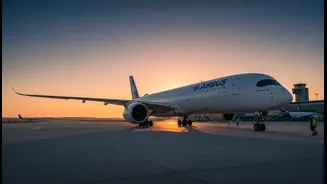
The past year has marked a significant expansion in flight options from India to key Asian destinations, particularly Japan and Vietnam. In mid-2026, Air India launched a much-anticipated non-stop service between Mumbai and Tokyo's convenient Haneda Airport,
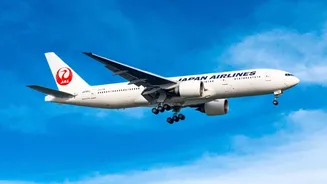
operating four times a week. This adds to its existing daily service from Delhi, which was recently upgraded with a newer aircraft featuring a Premium Economy cabin. Japan Airlines has also bolstered its India presence, launching a new direct route from Delhi to Tokyo's Narita airport in early 2026, complementing its long-standing Bengaluru service. On the Southeast Asia front, Air India inaugurated a five-times-a-week direct flight from Delhi to Hanoi in May 2026, creating a second Vietnamese gateway alongside its daily flights to Ho Chi Minh City. Meanwhile, budget carrier VietJet has been steadily increasing its footprint, connecting major Indian hubs like Delhi, Mumbai, Ahmedabad, Hyderabad and Bengaluru to Vietnam, signalling a long-term commitment to the Indian market.
What Is Airport Strategy?
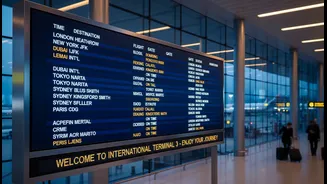
For years, savvy globetrotters have used 'airport strategy'—the art of using layovers and airline hubs to their advantage. Instead of seeing a connection as a hassle, they see it as an opportunity. This could mean booking a flight with a long layover to get a bonus day-trip in a new city, or deliberately routing through a specific airport to access better-priced onward flights to a final destination. With the recent increase in direct flights to hubs like Hanoi, Ho Chi Minh City, and Tokyo, this strategy is no longer a niche travel hack. It's becoming a practical way for Indian families and vacationers to build richer, more affordable multi-country itineraries. This approach is further supported by India's own new 'hub-and-spoke' aviation policy, launched in June 2026, which aims to make international connections from smaller Indian cities smoother.
Vietnam: Your Gateway to Southeast Asia
Vietnam is rapidly emerging as a preferred transit point for Indian travellers heading further into Southeast Asia or even Australia. The expanded networks of carriers like VietJet and Air India mean you can easily book a flight to Hanoi or Ho Chi Minh City, spend a few days exploring, and then hop on a connecting flight to places like Bali, Bangkok, or Singapore. For Indian passport holders, this is increasingly manageable. While a visa is required to exit the airport, Vietnam offers a straightforward e-visa process. A transit visa can also be obtained with pre-approval, allowing for a short stay of one to three days, perfect for a whirlwind city tour. This transforms a simple layover into a valuable mini-holiday, allowing you to experience the vibrant street food of Hanoi or the historical landmarks of Ho Chi Minh City.
Japan: A Strategic Stopover to the West
With more direct flights than ever, Japan is also becoming a key transit hub, especially for travel to North America. Airlines like Japan Airlines are explicitly promoting the convenience of connecting from India to the US via Tokyo's Narita airport. Flying through Tokyo can often present competitive fares and a superior inflight experience. Indian nationals transiting through Japan generally need a transit visa to leave the airport. This visa is typically inexpensive and valid for a 15-day stay, making a multi-day stopover to explore Tokyo or nearby areas a fantastic option. If your connection is on the same day and you stay within the designated transit area of the same airport, a visa is often not required, but it is always essential to check with your airline beforehand. This makes it possible to add a taste of Japanese culture, cuisine, and efficiency to your trans-pacific journey.
Planning Your Multi-Stop Adventure
So how do you put this into practice? Start by using flight search engines that have a 'multi-city' option. This allows you to book a flight from, say, Mumbai to Tokyo, then Tokyo to San Francisco a few days later, all on one ticket. Look for open-jaw itineraries, especially for Vietnam; you could fly into Hanoi and depart from Ho Chi Minh City, travelling between the two cities by land or a short domestic flight. This strategy often unlocks more than just an extra destination. It can sometimes be cheaper than a direct return flight and breaks up long travel days, reducing jet lag and travel fatigue. It adds immense value, turning a standard point-A-to-point-B trip into a richer, more memorable exploration of multiple cultures.