




The Green Balcony Revolution
More than just a hobby, urban gardening in Chennai has become a response to a desire for freshness, wellness, and a connection to nature. Initiatives like the Chennai Urban Farming Initiative (CUFI), led by the Chennai Resilience Centre, are actively
promoting this shift. The movement, which gained momentum during the pandemic, encourages residents to use rooftops and small urban spaces for gardening. This not only provides access to nutritious, pesticide-free food but also contributes to cooling homes and neighbourhoods—a significant benefit in the city's warm climate. Rooftop gardens have been shown to reduce room temperatures by 2-3°C. For many, nurturing a plant from seed to harvest offers a therapeutic escape from the urban hustle and a tangible way to build a more sustainable lifestyle.
Your First Herb Garden: Getting Started
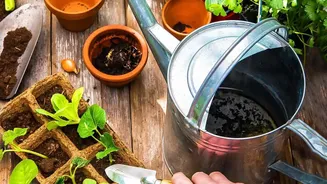
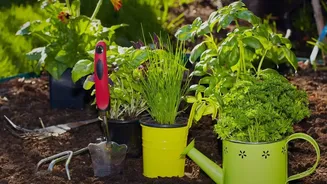
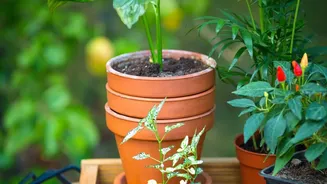
Starting your own herb garden is simpler than you might think. You don't need a sprawling terrace; a small, sunny spot is enough. Begin with a few basic supplies: containers with drainage holes are essential to prevent waterlogging. Terracotta pots are a great choice as they are porous and allow roots to breathe, though lightweight plastic pots or grow bags are also practical for balconies. Next, you'll need a good quality potting mix. A blend of garden soil, cocopeat, and vermicompost or other organic manure provides the right balance of drainage and nutrients. Start small with just two or three types of herbs. It's better to maintain a few plants well than to be overwhelmed by too many.
Top 5 Herbs for Chennai's Climate
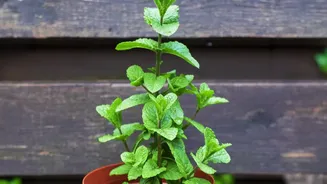
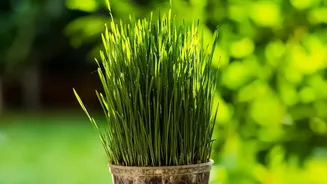
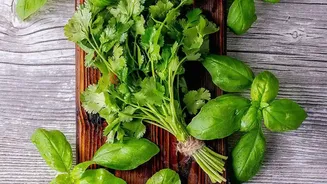
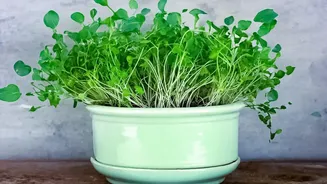
Chennai's tropical climate is ideal for a variety of flavourful herbs that are staples in Indian cuisine. Here are five easy-to-grow options: 1. Tulsi (Holy Basil): A revered plant in India, Tulsi thrives in full sunlight and is known for its resilience and air-purifying qualities. 2. Mint (Pudina): This fast-spreading herb loves moisture and does well in pots. Regular trimming will encourage bushier growth, giving you a constant supply for chutneys and drinks. 3. Curry Leaves (Karuvepillai): Essential for South Indian cooking, the curry leaf plant grows into a small shrub and loves a sunny spot. It's a low-maintenance and highly rewarding plant to have. 4. Lemongrass: This herb performs exceptionally well in warm, humid conditions. Its fragrant stalks can be used in teas and soups and it also acts as a natural mosquito repellent. 5. Coriander (Kothamalli): While it can be a bit more delicate, coriander grows well with gentle morning sun and consistent moisture. Growing it in a slightly wider, shallower pot is often effective.
Smart Solutions for Small Spaces
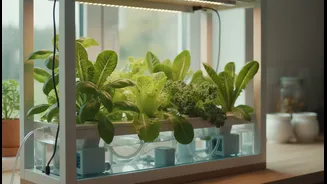
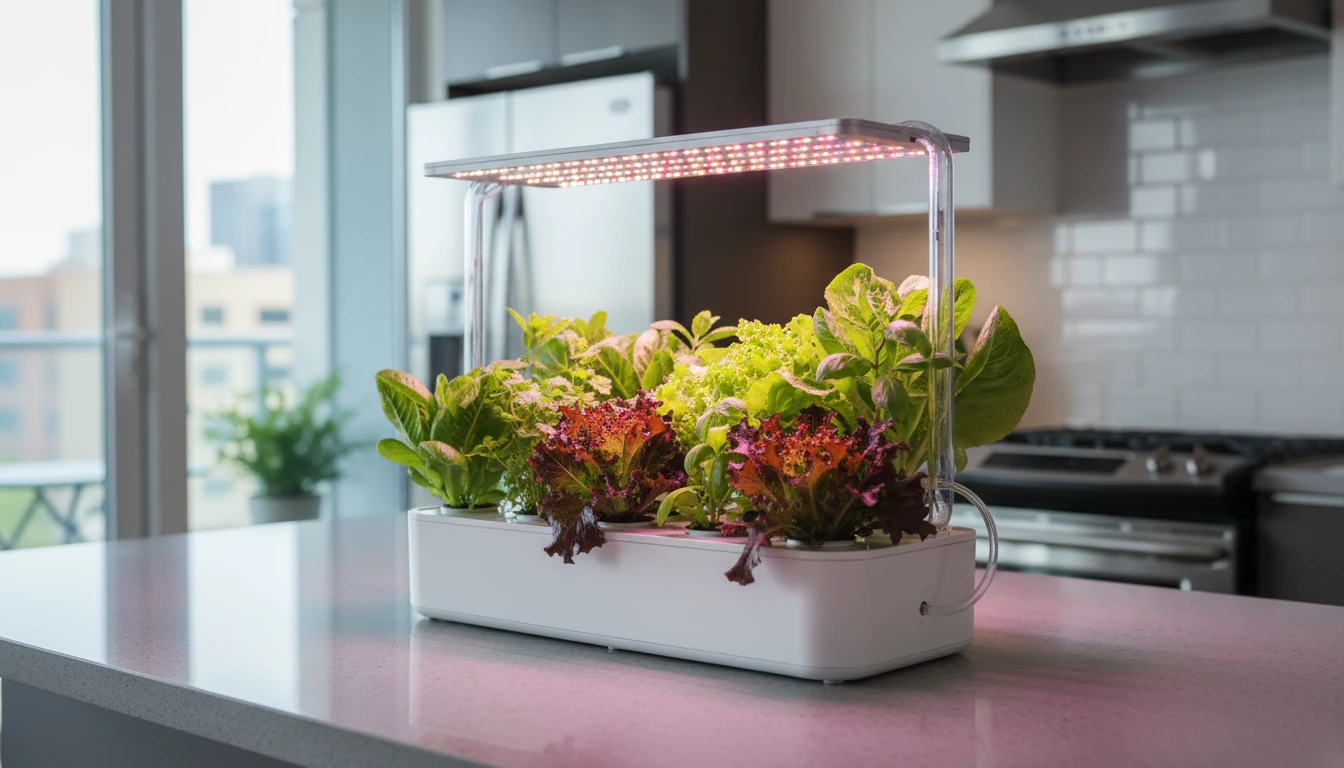
The primary challenge in apartment gardening is space, but innovation offers plenty of solutions. Vertical gardening is a game-changer, allowing you to grow upwards instead of outwards. You can use tiered planters, wall-mounted pots, or install trellises for climbing plants. Railing planters are perfect for utilising the perimeter of your balcony without taking up floor space. Even a kitchen windowsill can host a small, productive herb garden. For those interested in a more tech-forward approach, hydroponics—a soil-less cultivation method—allows a high density of plants to be grown in a very small area using nutrient-rich water.
Beating the Heat and Pests Naturally
Chennai's strong sun and humidity require a few specific care strategies. Most herbs need about four to six hours of sunlight, but the harsh afternoon sun can be damaging. If possible, place your plants where they receive morning sun and are shaded during the hottest part of the day. Using a shade cloth can also offer protection. Water your plants when the top inch of soil feels dry, and ensure your pots have good drainage to cope with monsoon rains. To manage pests, companion planting can be effective; for example, growing marigolds can help repel certain insects naturally. A simple spray made of neem oil and water is another excellent organic solution for keeping common pests at bay.