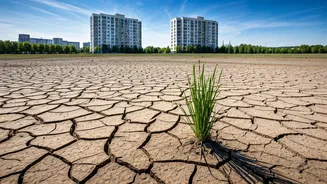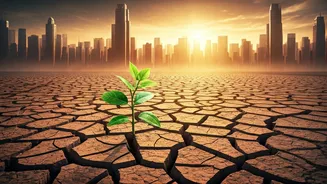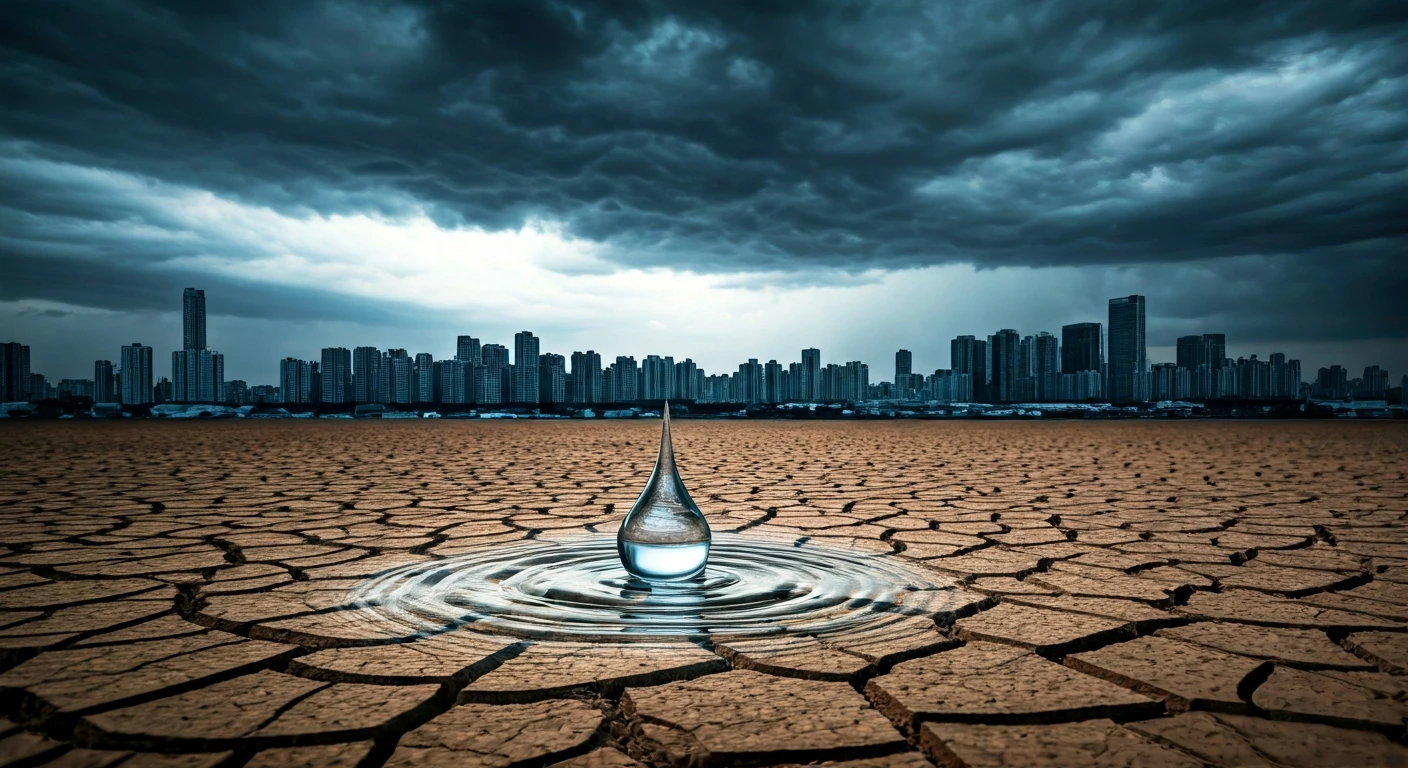






A Deluge of Data, A Drought of Meaning
India is one of the world's most climate-vulnerable countries, and its scientific bodies, like the India Meteorological Department (IMD), are proficient generators of data. We have vast repositories tracking everything from rainfall patterns and temperature
anomalies to cyclone intensity. Yet, this crucial information often remains locked away in complex spreadsheets, dense reports, and password-protected government portals. While some data is public, it’s rarely presented in a way that is accessible or meaningful to the average citizen, a local policymaker, or even a journalist without a scientific background. The result is a paradoxical situation: we know more than ever, but understand less. A recent Yale survey highlighted that while 85% of Indians report personally experiencing climate change's effects, only a small fraction feel they know a lot about the issue.
From Numbers to Narratives
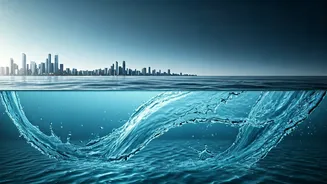
Better storytelling is not about simplifying the science to the point of inaccuracy; it's about translating it into human terms. It’s the difference between a report stating a 1.5°C temperature rise and a story about a farming family in Maharashtra whose crops are failing due to erratic monsoons. Data journalism offers powerful tools for this, using interactive maps, infographics, and visualizations to show, not just tell. Imagine a map that allows a user in Chennai to see how rising sea levels will impact their specific neighbourhood, or a visual that connects the dots between a heatwave in Delhi and the increased demand on the power grid. Narrative journalism can make abstract threats feel personal and immediate, creating the emotional connection that statistics alone cannot.
The High Cost of Poor Communication
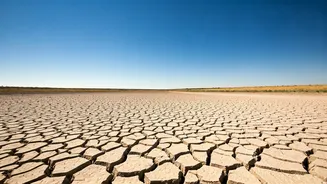
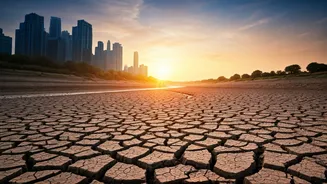
When climate stories are not told well, a dangerous vacuum is created. The media may cover a flood or a drought extensively, but often as isolated disasters, failing to connect them to the larger, systemic issue of climate change. One study noted that during a major heatwave, only 14% of English-language articles made the climate connection. This fractured narrative leads to public apathy and a lack of urgency. If communities don't understand the 'why' behind extreme weather, they cannot effectively advocate for or implement adaptation strategies. It allows policymakers to treat climate change as a future problem, not a present-day crisis, delaying critical investments in resilience and mitigation.
Forging a New Climate Language
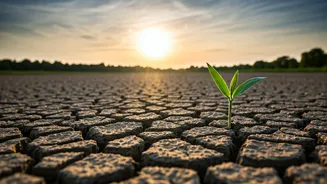
The path forward requires a collaborative effort. Scientists and institutions need to see communication not as an afterthought, but as a core part of their mission, making data more open and accessible. Newsrooms must invest in training journalists to become fluent in the language of climate and data, moving beyond sporadic disaster reporting to consistent, contextual coverage. There's also a need to embrace hyper-localism. A story that resonates in a coastal village in Odisha will be different from one that hits home in a city like Bengaluru. This involves communicating in regional languages and framing the issue around local values and concerns. Initiatives like Mission LiFE and the integration of climate education into school curricula are positive steps, but they must be supported by a media and civil society ecosystem that reinforces these lessons with powerful, relatable stories.