






The Undeniable Power of Ten Minutes
The common belief that workouts must be long to be effective is a major barrier for many. The good news is that science disagrees. Research shows that short, consistent bursts of activity, sometimes called 'exercise snacks', can deliver significant health
benefits. These mini-workouts are effective at improving cardiovascular health, regulating blood sugar, and lowering blood pressure. Ten minutes of movement can trigger the release of endorphins, which helps reduce stress, boost your mood, and improve mental focus. The biggest advantage, however, is consistency. A 10-minute commitment is far less intimidating than a 60-minute one, making you more likely to show up day after day. This consistency is the true engine of long-term fitness.
Overcoming the All-or-Nothing Mindset
Many people approach fitness with an 'all-or-nothing' attitude. If they can't manage a perfect, hour-long session, they do nothing at all. This mindset is a primary reason why so many new exercise routines fail. A 10-minute workout elegantly bypasses this mental block. It's short enough to feel manageable on even the busiest days, which reduces the mental energy required to get started. By lowering the barrier to entry, you start building momentum. The act of successfully completing a small goal reinforces the behavior, making it easier to repeat. Psychologists refer to this as the habit loop: a cue triggers a routine, which delivers a reward. In this case, the reward is the feeling of accomplishment and the physical benefits, which makes your brain want to do it again.
Designing Your Perfect 10-Minute Routine
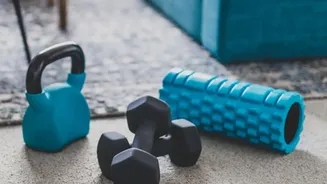
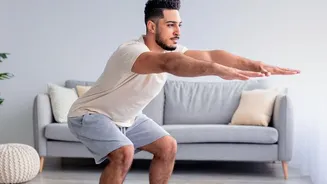
You don't need fancy equipment or a gym membership to get a great workout in 10 minutes. The key is to focus on intensity and compound movements that work multiple muscle groups at once. A balanced routine might include elements of cardio, strength, and flexibility. Start with a brief two-minute warm-up, like marching in place and arm circles. Then, cycle through a circuit of exercises for seven minutes. For example, you could perform 45 seconds of an exercise followed by 15 seconds of rest. Good bodyweight options include squats, push-ups (on knees if needed), lunges, planks, and jumping jacks. Finish with a one-minute cool-down of gentle stretching. The goal is to keep your heart rate elevated and your muscles engaged throughout the main circuit.
How to Make Your New Habit Stick
Building an automatic habit is about more than just willpower; it's about smart strategy. One of the most effective techniques is 'habit stacking'. This involves linking your new 10-minute workout to an existing daily habit. For example: 'After I brush my teeth in the morning, I will do my 10-minute workout'. Establishing a consistent time and place also powerfully reinforces the habit. Laying out your workout clothes the night before can serve as a strong visual cue that eliminates morning decision-making. Finally, track your progress. Ticking a box on a calendar provides a small sense of victory that reinforces the new behavior and keeps you motivated to maintain your streak.
From Ten Minutes to a Lifelong Routine
Once you have consistently completed your 10-minute workout for several weeks, it will start to feel automatic. At this point, you can consider ways to progress. This doesn't necessarily mean making your workouts longer. You can increase the intensity by adding more repetitions, reducing rest times, or trying more challenging exercises like burpees or jump squats. You could also add a second 10-minute 'exercise snack' to another part of your day, such as a brisk walk during your lunch break. The beauty of starting small is that it builds a solid foundation of consistency. From there, you can gradually scale your efforts in a way that feels sustainable, ensuring that fitness becomes a permanent and enjoyable part of your life rather than a temporary chore.