


Meet the Dazzling 'Evening Star'
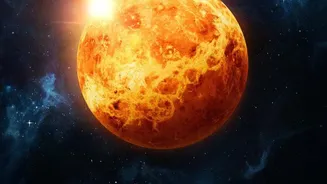
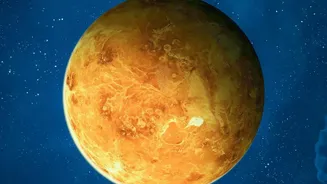
Throughout August 2026, Venus will be shining brightly as an ‘Evening Star’. This isn’t a star at all, but Earth's closest planetary neighbour. Its thick, highly reflective clouds bounce sunlight back at us, making it the brightest object in the night
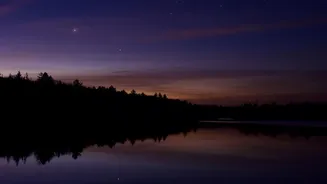
sky after the Moon. You won't need any special equipment to see it; its powerful glow is easily visible to the naked eye, even cutting through the twilight just after the sun goes down. This month is particularly special because Venus will be at or near its greatest eastern elongation, meaning its farthest point from the Sun in our evening sky, making it exceptionally easy to spot.
Best Dates and Times to Look Up
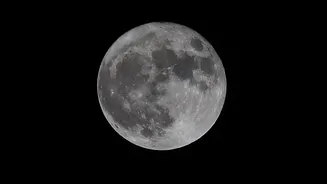
While Venus will be visible all month long, some dates offer particularly noteworthy sights. The key moment is its greatest elongation on August 15. On and around this date, the planet will be at its highest point above the horizon after sunset, making for prime viewing. A real treat happens on August 15, when a beautiful crescent Moon will appear near the brilliant planet, creating a stunning pair in the sky. Later in the month, from August 21 to 24, you can watch Venus appear to draw closer to Spica, the brightest star in the constellation Virgo, heading for a conjunction in early September. The best time to look is consistently in the west, starting about 30 to 45 minutes after sunset.
Finding Venus: Your Simple Sky Map
Locating Venus is incredibly straightforward. Simply face the direction where the sun has just set—the west. As the sky begins to darken, Venus will emerge as the first and brightest point of light. You can’t mistake it for an airplane because it doesn't blink or move across the sky. Throughout August, it will be situated in the constellation of Virgo. If you have a stargazing app on your phone, you can use it to confirm your sighting and identify nearby celestial objects like the star Spica, which will be relatively close to Venus for the latter half of the month.
Tips for the Best Viewing Experience
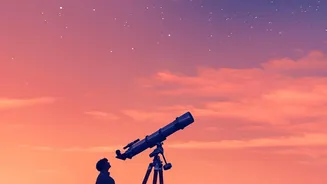
While you can easily see Venus from a city balcony, a few simple tips can enhance the experience. First, if possible, find a location with a clear, unobstructed view of the western horizon, away from the direct glare of streetlights. Second, give your eyes time to adapt to the dark. It takes about 20-30 minutes for your eyes to become fully sensitive to the night sky, so avoid looking at your bright phone screen. Although you don’t need a telescope, even a basic pair of binoculars can reveal more detail. The air is often clearest in the post-monsoon period, but August viewing can still be excellent on clear nights.
What to Look For With Binoculars
If you do have a pair of binoculars or a small telescope, point them at Venus. You won't just see a bright dot. In August 2026, you will be able to see the phases of Venus. Around its greatest elongation on August 15, it will appear as a tiny, half-lit disc, much like a quarter Moon. As the month progresses, Venus will move closer to Earth, and its phase will shrink to a thinner crescent while its apparent size grows larger. Observing these phases is a truly rewarding experience, as it was this very discovery by Galileo that helped change our understanding of the solar system.