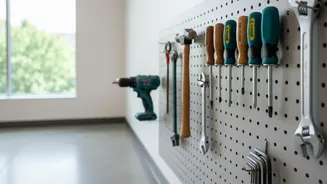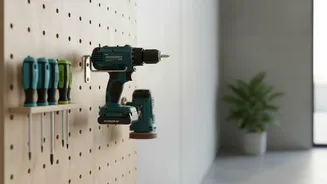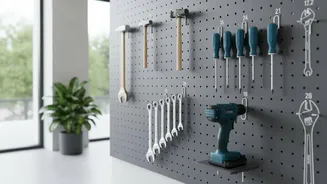






What is a Tool Bank?
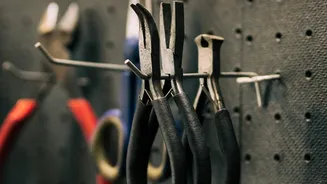
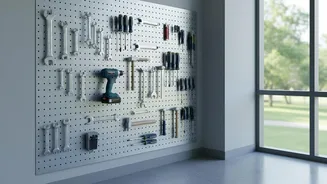
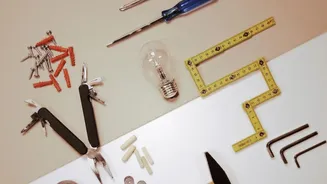
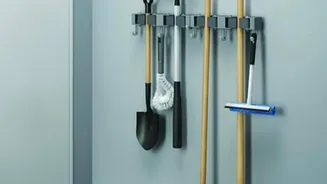
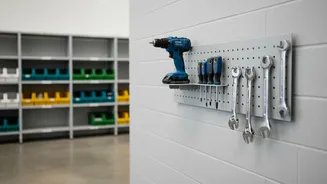
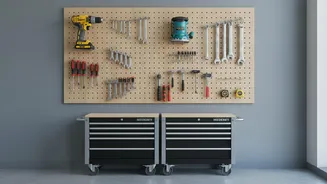
Imagine a library, but instead of books, it's stocked with power drills, ladders, sewing machines, and carpet cleaners. That's the simple idea behind a tool bank, also known as a 'library of things'. In a residential context, it’s a shared collection
of tools and equipment available for all residents of an apartment building or complex. Instead of each household buying and storing their own set of rarely used items, the community collectively owns and shares high-quality tools. This can range from a simple closet with basic hand tools to a more sophisticated setup with an online reservation system for high-demand equipment. The core principle is prioritising access over individual ownership, a model that is rapidly gaining traction in dense urban areas.
A Solution for Modern Urban Living
Several factors are driving the rise of this trend. As city apartments get smaller, storage space is at a premium. Storing a bulky ladder or a box of power tools you might use once a year becomes impractical. Furthermore, there is a growing consciousness around sustainability and the negative impact of overconsumption. The average household owns numerous tools that are used infrequently, representing significant waste in manufacturing and money spent. A single drill in a tool library can serve dozens of households, drastically reducing the overall environmental footprint by cutting down on manufacturing demand and eventual waste. This shift aligns with the broader 'sharing economy' mindset, where younger generations, in particular, value experiences and access more than ownership.
More Than Just Saving Money
While the financial and environmental benefits are clear, the social impact is just as significant. These shared spaces become natural hubs for community interaction. When you borrow a stud finder, you might strike up a conversation with a neighbour who has experience with home repairs. Many tool libraries foster a culture of skill-sharing by hosting workshops on everything from basic carpentry to safe power tool operation. This empowers residents to tackle DIY projects they might have otherwise avoided and helps build stronger, more resilient neighbourhood ties. It democratises access to resources, allowing people from all income levels to maintain and improve their homes without the high cost of purchasing equipment.
Making it Work in Practice
The logistics of an apartment tool bank can vary. Some are managed informally by a residents' association with a simple sign-out sheet. Others use dedicated apps or platforms where residents can see what’s available, make reservations, and receive notifications. Clear rules are essential for success. These typically cover borrowing times, procedures for returning items clean and in good condition, and policies for handling any accidental damage. To get started, a building might begin with donations from residents and then use a small annual membership fee to maintain the tools and purchase new items based on community needs. The most successful models are those that invest in durable, professional-grade tools, as these can withstand heavy use better than typical consumer-grade equipment.
Challenges and the Road Ahead
Despite the benefits, tool banks are not without challenges. The initial setup requires organisation and funding, which can be a hurdle. Ongoing maintenance is crucial to ensure tools remain safe and functional, and there needs to be a clear system for liability. Who is responsible if a tool breaks or if someone is injured while using it? These issues require thoughtful planning and clear policies. However, as the concept becomes more mainstream, building developers are beginning to see shared amenities like tool banks as a key selling point for attracting and retaining residents, much like a gym or a community hall. This suggests that what is now a grassroots movement could soon become a standard feature in urban residential design.