






A Quieter Monsoon in Goa
The Southwest monsoon over Goa has weakened significantly in early July 2026, leading to a seasonal rainfall deficit of around 26.7%. After a brief period of heavy showers in late June and early July that brought some relief to farmers and boosted dam
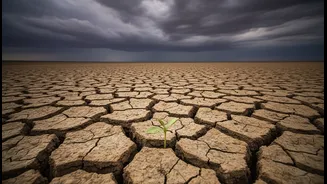
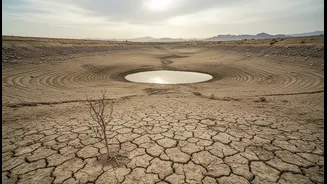
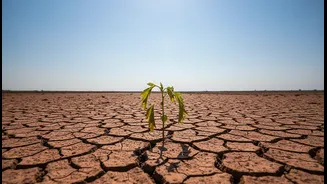
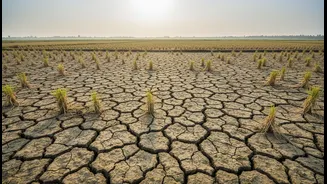
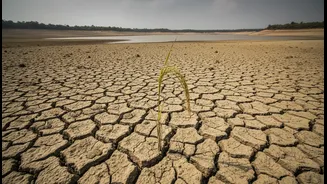
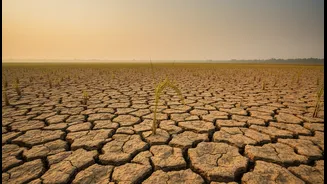
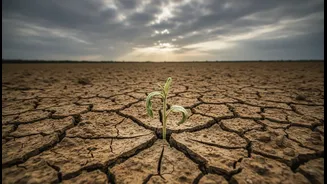
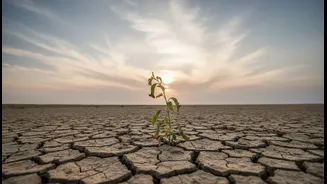
levels, the rain has become light and moderate. This dry spell is concerning because July is typically a peak monsoon month. The current total seasonal rainfall is hovering around 898.6mm, well below the normal 1225.2mm expected at this stage. This shortfall follows a very deficient June, which at one point saw deficits soar beyond 70%. The result is not just less rain but also warmer, more sultry weather, with maximum temperatures climbing nearly three degrees above normal.
From Fields to Faucets: The Ripple Effect
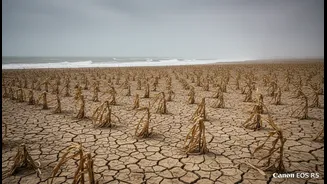
While officials have stated that Goa is not currently facing a water shortage due to dam levels rising from earlier rains, the impact of a prolonged weak spell is a cause for concern. Agriculture, a key sector, is highly dependent on timely monsoon rains, especially for the sowing of kharif crops. Uneven and insufficient rainfall can delay sowing, reduce soil moisture, and ultimately impact crop yields. The recent dry spell has already dampened the initial optimism among farmers. Beyond agriculture, a weak monsoon has wider economic implications. It can affect rural incomes, which in turn reduces demand for goods and services, creating a ripple effect that can be felt across the economy.
The Bigger Picture: Understanding Rain Deficits
Goa's situation is a microcosm of a larger, more complex issue facing India. A 'rain deficit' occurs when an area receives rainfall below the long-period average (LPA), a benchmark calculated by the India Meteorological Department (IMD). Several factors can cause these deficits. Globally, phenomena like El Niño—the warming of the Pacific Ocean—are known to weaken monsoon winds and suppress rainfall over India. Locally, factors like powerful typhoons in the Pacific can pull energy away from the monsoon system, while the absence of low-pressure systems over the Bay of Bengal can stall its progress. Even dry air travelling from arid regions in West and Central Asia can overpower moist monsoon winds and trigger a 'break' in the rains.
Lessons from a Dry Spell
So, what does Goa’s faltering monsoon teach us? Firstly, it highlights the growing unpredictability of weather patterns. Climate change is making the monsoon more erratic, with long dry spells punctuated by short, intense bursts of rain that can cause floods but are less effective for groundwater recharge. Secondly, it underscores our vulnerability. Ten states, including Goa, are currently reporting significant rain deficits, affecting kharif crop sowing nationwide. Thirdly, it is a stark reminder that we cannot take water for granted, even in traditionally rain-rich areas. Finally, it proves the urgent need for proactive adaptation. Relying solely on a historically predictable monsoon is no longer a viable strategy.
Building Resilience for the Future
The challenge of erratic monsoons requires a multi-pronged response. Experts suggest a shift towards climate-resilient agriculture, including promoting crops like millets and pulses that require less water. Improving the accuracy and accessibility of long-range weather forecasts can empower farmers to make better-informed decisions about planting. At a policy level, there is a pressing need for integrated water management. This includes modernising urban drainage systems, protecting natural wetlands that act as flood buffers, investing in rainwater harvesting, and promoting efficient irrigation techniques like micro-irrigation. Tackling illegal groundwater extraction, as Goa plans to do, is also a crucial step towards sustainable water use. Ultimately, building resilience is not just about managing a single bad season; it’s about fundamentally rethinking our relationship with water in an era of climatic uncertainty.