


The End of Watering Guesswork
Every plant owner knows the struggle. The soil on top looks dry, but is it soaked at the root level? Overwatering is one of the most common reasons houseplants fail, often leading to root rot. Internet of Things (IoT) plant sensors are designed to eliminate
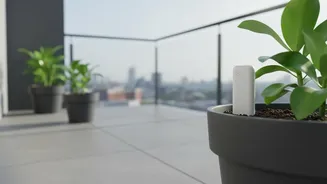
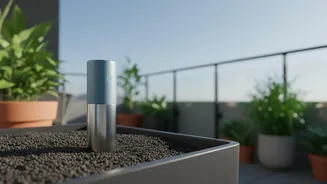
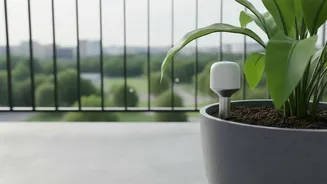
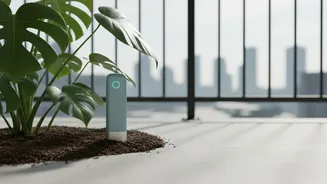
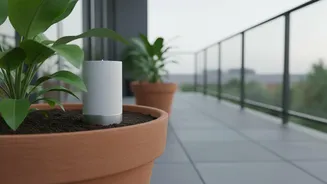
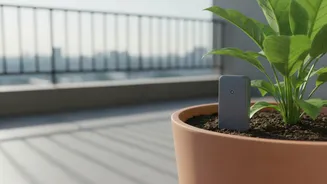
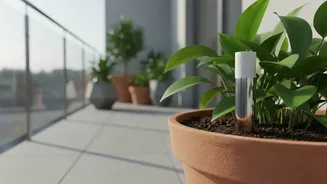
this uncertainty. These small devices are inserted into the soil of your potted plants to provide real-time data directly to your smartphone. The primary function, and arguably the most useful, is tracking soil moisture where it matters most—around the roots. This replaces the unreliable 'finger test' with precise, actionable information, telling you exactly when your plant is thirsty and when it has had enough.
How a Smart Sensor Works
The concept is straightforward. A probe, typically with two metal prongs, is placed in the plant's pot. This probe continuously measures a specific property of the soil. Most commonly, sensors use either capacitive or resistive methods to gauge moisture content. Dry soil and wet soil conduct or hold electrical charges differently, and the sensor translates this measurement into a moisture percentage. This data is then transmitted, usually via Bluetooth or Wi-Fi, to a dedicated app on your phone. The app cross-references this reading with a database, often containing thousands of plant species, to give you tailored advice.
More Than Just Moisture
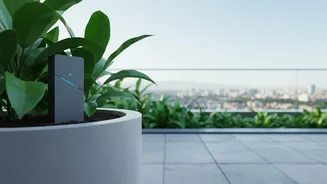
While knowing when to water is a game-changer, many modern sensors offer a more holistic view of your plant's environment. Advanced models also track ambient light intensity, temperature, and even the level of nutrients or fertilizer in the soil. This comprehensive data can help you understand why a plant might be struggling. For instance, an alert might tell you that your fern isn't getting enough indirect light or that the temperature on your exposed balcony is too high for your basil. By monitoring these key variables, you can make informed decisions about where to place your plants and how to care for them beyond just their watering schedule.
The Benefits for a Busy Lifestyle
For those with busy schedules or who travel frequently, smart sensors act as a reliable plant-sitter. Instead of adhering to a rigid watering schedule that ignores daily conditions, you receive a notification when your plant actually needs attention. This data-driven approach not only saves time but also conserves water by preventing unnecessary irrigation. The historical data logged in the app can also be a powerful learning tool. By observing how quickly a pot dries out after watering or how moisture levels change with the seasons, you develop a deeper, more intuitive understanding of your plants' needs over time. It transforms plant care from a routine chore into a responsive, engaging process.
What to Look for When Choosing a Sensor
When shopping for a plant sensor, several factors are worth considering. First is connectivity: Bluetooth sensors are common and energy-efficient but require you to be within range to sync data, whereas Wi-Fi sensors upload data automatically to the cloud, accessible from anywhere. Battery life is another key consideration, as you don't want the hassle of frequent replacements. Also, examine the companion app. A good app will have a large plant database, provide clear and specific recommendations, and present historical data in an easy-to-understand format. Finally, consider the probe length to ensure it's appropriate for the size of your pots and can measure moisture at the root depth of your specific plants.
Are There Any Downsides?
While incredibly helpful, these gadgets aren't a magical cure-all. The initial cost can be a barrier, especially if you have a large collection of plants. Some apps may also lock more advanced features or a larger plant database behind a subscription paywall. Furthermore, a sensor is only as good as the action it inspires; receiving an alert to water your plant is useless if it's ignored. However, for those who have struggled to keep expensive or particularly fussy plants alive, or for beginners looking to build confidence, the investment can quickly pay for itself by preventing plant loss and providing a valuable education in plant care.