






The Familiar Hero: Garam Masala
The everyday spice mix we’re talking about is none other than garam masala. Found in nearly every Indian household, this complex and fragrant blend is more than just a seasoning; it’s a cornerstone of our culinary heritage. The name itself translates
to ‘hot spice,’ but ‘hot’ here doesn't refer to chilli heat. Instead, it points to the Ayurvedic principle of using spices that are believed to raise body temperature and rev up the metabolism. While recipes vary from region to region and family to family, the core purpose remains the same: to add warmth, depth, and a finishing touch of aroma to a dish.
A Symphony of Spices
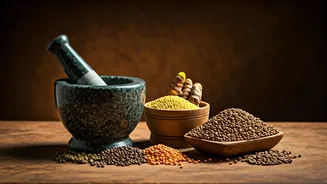
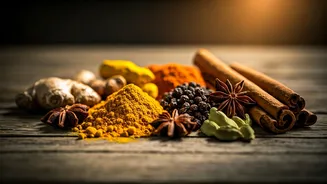
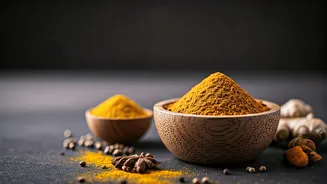
Garam masala is not a single spice but a symphony. It typically features a base of cumin and coriander, layered with a chorus of ‘warming’ spices like cinnamon, cloves, cardamom, nutmeg, and black peppercorns. Each ingredient brings its own unique profile and traditional health properties to the blend.
- **Cumin & Coriander:** Often form the earthy base. Traditionally, they are celebrated for their digestive properties.
- **Cinnamon:** Adds a sweet, woody warmth and is known for its potential to help regulate blood sugar.
- **Cloves:** Pungent and powerful, cloves are packed with antioxidants and have been used for centuries in traditional medicine for their antiseptic qualities.
- **Cardamom:** With its distinct floral and minty notes, cardamom is a traditional remedy for indigestion and bad breath.
- **Black Pepper:** The ‘king of spices’ not only adds pungency but contains piperine, a compound that can enhance the absorption of other nutrients.
More Than Just Flavour
The magic of garam masala lies in its potential health-boosting synergy. According to Ayurvedic tradition, this blend is designed to aid digestion by stimulating the digestive fire, or ‘agni’. The warming nature of the spices is believed to increase circulation and help the body process food more efficiently, reducing bloating and gas. Furthermore, the blend is a powerhouse of antioxidants. Spices like cloves, cinnamon, and cardamom are rich in phenolic compounds that help fight oxidative stress in the body. This cellular damage is linked to chronic diseases and ageing, so including antioxidant-rich foods and spices in your diet is a key pillar of long-term wellness. While it’s not a cure-all, incorporating garam masala into your daily meals is a simple way to get a concentrated dose of these beneficial plant compounds.
Make Your Own Magic Mix
While store-bought garam masala is convenient, making your own ensures maximum freshness and potency. The aroma of freshly toasted and ground spices is unparalleled. Here is a simple starter recipe:
Ingredients:
- 3 tablespoons Cumin Seeds
- 2 tablespoons Coriander Seeds
- 1 tablespoon Black Peppercorns
- 2-inch stick of Cinnamon
- 1 tablespoon Green Cardamom Pods
- 2 teaspoons Whole Cloves
Method:
1. Gently dry-toast all the whole spices in a pan over low heat for 2-3 minutes, or until fragrant. Be careful not to burn them.
2. Let the toasted spices cool completely.
3. Grind them to a fine powder using a spice grinder or a powerful blender.
4. Store in an airtight container away from direct sunlight. It’s best used within a few months.
This is a foundational blend; feel free to add other spices like nutmeg, star anise, or bay leaf to create your own signature mix.
Beyond the Usual Dal and Sabzi
Don’t limit this wonderful spice to just traditional curries. Its warm, complex flavour can elevate a surprising number of dishes. Try sprinkling a pinch over roasted vegetables like cauliflower or sweet potatoes before they go into the oven. Add a dash to your morning scrambled eggs or omelette for an unexpected twist. Mix it into a plain yoghurt dip, sprinkle it over popcorn, or even add a tiny amount to your masala chai for an extra layer of warmth and spice. Thinking of garam masala as an all-purpose finishing spice, much like you would use black pepper, opens up a world of culinary possibilities.