







The Science of the Struggle
Why do clothes take forever to dry during the monsoon? The answer is humidity. The air is already saturated with water vapour, leaving very little room for it to absorb the moisture from your wet clothes. When laundry stays damp for too long, it creates
the perfect breeding ground for bacteria and mildew, which are the culprits behind that unpleasant musty odour. Sunlight and dry air are the natural enemies of this process, but both are in short supply during the rainy season. This is where understanding airflow becomes your greatest weapon. Moving air, even if it’s humid, is far more effective than still air. It works by constantly replacing the layer of saturated air right next to the fabric with slightly drier air, allowing evaporation to continue.
The Battle Begins in the Washer
Your journey to dry clothes starts long before they reach the clothesline. The less water in your garments, the faster they will dry. Run an extra spin cycle on your washing machine after the wash is complete. This simple step can remove a surprising amount of excess water, significantly cutting down drying time. Also, resist the temptation to wash everything at once. Washing smaller, more frequent loads is better than one massive one. Overloading the machine prevents clothes from rinsing properly and getting spun effectively, leaving them wetter and with more residue that can cause odours.
Give Your Clothes Breathing Room
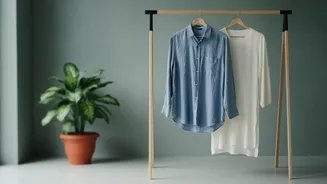
This is the heart of matching airflow to the load. When you hang your clothes to dry, spacing is everything. Each garment needs its own personal space for air to circulate freely. Never let items touch or overlap. A gap of at least an inch or two between each item is ideal. Using hangers for shirts, kurtas, and dresses is a game-changer. It allows air to move on both sides of the fabric, prevents creases, and makes putting them away easier. For smaller items and heavier fabrics, use a drying rack, but apply the same principle: spread everything out. Don't drape a large bedsheet over the whole rack; it creates a damp tent. Instead, weave it over several rungs if possible or give it its own line.
Become a Master of the Breeze
Now it's time to create the airflow. If you can open windows on opposite sides of a room to create a cross-breeze, you have a natural wind tunnel. But the most reliable tool is a simple fan—a pedestal fan, table fan, or even a ceiling fan will do. The trick is in the placement. Don’t point the fan directly at the clothes from close range, as this can be inefficient. Instead, position the fan a few feet away to create a gentle, consistent movement of air across the entire rack. An oscillating fan is excellent for this. The goal is to keep the air in the room moving, not to blast one shirt into dryness while others remain damp. Placing the fan on the floor and angling it upwards can also help circulate the air effectively.
Calling in the Reinforcements
For those living in extremely humid areas or who need a more powerful solution, a dehumidifier is a worthy investment. A dehumidifier works by actively pulling moisture out of the air, creating a much drier environment that allows clothes to release their moisture much faster. Using a dehumidifier in a smaller, closed room with your laundry is the most effective strategy. Some people even find that running the air conditioner can help, as it also conditions and dries the air. While these appliances use electricity, they can be a lifesaver for families, preventing the endless cycle of re-washing musty clothes.
Winning the War on Odour
Even with the best techniques, stubborn odours can persist. To combat this, you can add about half a cup of white vinegar to the rinse cycle of your wash. It acts as a natural antibacterial agent and helps dissolve residue without leaving a scent on the dry clothes. If you find a few items are still slightly damp in thicker areas like collars or waistbands, a quick pass with a hot iron can eliminate that last bit of moisture and kill any lingering musty smell. Finally, ensure your wardrobe isn't over-packed. Good airflow is just as important for storing clothes as it is for drying them.