





Planning an international trip is becoming a bigger headache. A significant new report reveals a sharp increase in travellers being put off by complex entry rules, a trend that is reshaping holiday plans and business travel for people worldwide.
The Story Behind the Numbers
The headline
figure comes from the influential 2026 Global Passenger Survey by the International Air Transport Association (IATA), which polled over 10,000 travellers from more than 200 countries. It found that 43% of passengers have been discouraged from visiting a destination specifically because of its immigration requirements. This is a dramatic ten-percentage-point jump from the 33% reported in 2025, signalling a fast-growing frustration among global travellers. The survey makes it clear that this isn't a small inconvenience; it's a major factor in travel decisions. The primary reason cited by those deterred was the sheer complexity of the process, with 53% finding the rules too complicated to navigate. Cost and privacy concerns were secondary, each cited by just 17% of this group.
A Web of Digital Red Tape
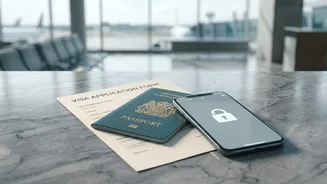
A key driver of this complexity is the global shift towards digital pre-travel authorisations, often called Electronic Travel Authorizations (ETAs). While intended to streamline security, they add another mandatory step to journeys. Even for destinations previously considered 'visa-free', travellers must now often apply online for an ETA before they can even board a flight. The European Union's upcoming ETIAS, the UK's ETA, and existing systems in the US, Canada, and Australia are prime examples. Although these are not traditional visas, they require travellers to submit personal information and pay a fee for pre-screening. The lack of a standardised system across countries—with over 100 nations now issuing some form of eVisa or ETA—creates confusion and adds to the pre-trip administrative burden.
Impact on Indian Travellers
For Indian passport holders, who already navigate a complex world of visa applications, this new layer of digital bureaucracy adds further complication. The IATA survey reveals that travellers in the Asia-Pacific region are among the most affected, with 49% reporting they have been deterred by immigration rules, a figure higher than the global average. As more countries—including tourism-friendly nations like Thailand—move towards ETA systems, Indian travellers must become even more diligent. The ease of obtaining a visa or entry permit is now a significant factor in destination choice, sometimes outweighing price. Uncertainty over processing times and the fear of a last-minute rejection can lead travellers to choose destinations with simpler, more predictable entry protocols.
The Digital Demand is Strong
Despite the frustration with complex rules, travellers are not opposed to technology. In fact, they overwhelmingly prefer digital solutions over paper-based ones. The same IATA survey found that 60% of travellers would rather apply for a visa online, compared to just 25% who favour an in person visit to a consulate. Furthermore, a massive 86% of passengers are willing to share their immigration information digitally before departure to speed up the process at the airport. This indicates a clear demand for convenient, user friendly digital systems. The problem isn't the technology itself, but the fragmented, inconsistent, and often confusing way it has been implemented by different governments, creating new digital hurdles where old physical ones once stood.