






The Allure of a Monsoon 'Reset'
The rainy season brings a welcome respite from the summer heat, but it also ushers in a host of health concerns. The high humidity can make us feel lethargic, our digestive systems can feel sluggish, and the risk of water-borne and vector-borne diseases
increases. In this environment, the idea of a 'detox' is incredibly appealing. It promises a quick fix—a way to 'cleanse' the body, flush out impurities, boost immunity, and regain control when the world outside feels damp and chaotic. Marketers tap into this desire perfectly, offering everything from special teas and juice cleanses to restrictive diets, all designed to make you feel purified and protected against seasonal ailments.
The Scientific Reality: Your Body’s Own Detox System
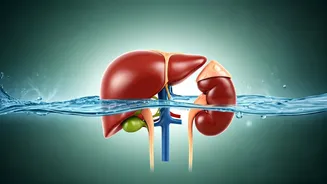
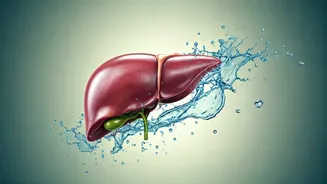
Here's the truth that the wellness industry often overlooks: your body is already equipped with a highly sophisticated, 24/7 detoxification system. The stars of this show are your liver and kidneys. The liver acts as a master filter, identifying harmful substances (from environmental pollutants to alcohol) and converting them into water-soluble compounds. The kidneys then efficiently flush these compounds out of your body through urine. Your lungs, skin, and digestive system also play crucial roles in expelling waste. The term 'toxin' in the wellness world is often a vague, ill-defined bogeyman. In medicine, toxins are specific harmful substances. There is no scientific evidence to suggest that commercial detox products can improve the function of your liver or kidneys, or that your body is 'accumulating toxins' that a juice cleanse can remove. You don't need a special tea; you need a healthy liver.
The Hidden Risks of a Quick Fix
At best, most detox plans are a waste of money. At worst, they can be actively harmful. Severely restrictive diets or juice-only cleanses can lead to nutrient deficiencies, muscle loss, and a weakened immune system—the exact opposite of what you need during the monsoon. So-called 'detox teas' often contain diuretics or laxatives, which can lead to dehydration and dangerous electrolyte imbalances. The initial weight loss people experience is almost always due to water loss, not fat loss, and it comes right back. Furthermore, this cycle of restriction can foster an unhealthy relationship with food, promoting a belief that our bodies are constantly in need of 'cleansing' from the very foods that are meant to nourish us.
Ditch the Detox, Boost Your Defences
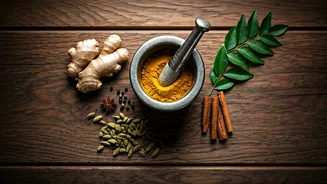
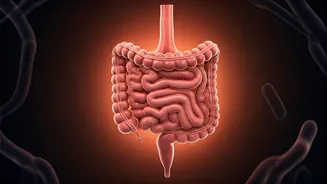
So, what should you do instead? The answer is less glamorous but far more effective: support your body’s natural processes. During the monsoon, this means focusing on a few key areas. First, hydration is critical, but so is safety. Stick to boiled, filtered, or trusted bottled water to avoid water-borne illnesses like typhoid and cholera. Second, prioritise gut health. The monsoon can weaken digestion. Opt for light, well-cooked meals. Including probiotics like homemade dahi (curd) can support a healthy gut microbiome. Traditional immunity-boosting spices like turmeric (haldi), ginger (adrak), and garlic (lehsun) have anti-inflammatory and antimicrobial properties that are genuinely beneficial. Finally, avoid raw foods, especially leafy greens and salads from outside sources, which can carry germs.
Your Real Monsoon Wellness Plan
Instead of a complicated detox regimen, adopt these simple, sustainable habits to thrive during the rainy season. Eat warm, freshly prepared food and avoid street food, especially items that have been sitting out. Keep your home dry and well-ventilated to prevent the growth of mould and fungi. Protect yourself from mosquitoes by using repellents and wearing long sleeves, especially during dawn and dusk, to prevent dengue and malaria. Wash your hands frequently and thoroughly. Ensure you get adequate sleep, as rest is crucial for a strong immune system. These practical steps empower your body's natural defences, offering real protection that no detox product can promise.