


More Than Just Curry
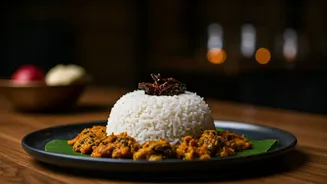
Kerala’s food is a direct reflection of its geography—a narrow strip of land with a long coastline, verdant inland hills, and serene backwaters. This geography provides three pillars for its cuisine: coconut, rice, and an abundance of local spices. Unlike
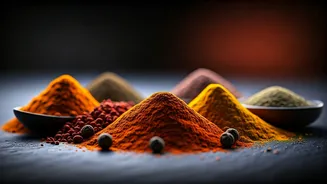
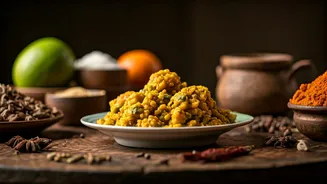
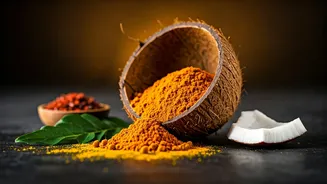
many other Indian cuisines, Kerala's food is defined by the liberal use of coconut in various forms—grated, as milk, or as oil—which imparts a distinct creamy and subtly sweet flavour. The state’s history as the heart of the ancient spice trade means ingredients like black pepper, cardamom, cloves, and turmeric are not just additions but the soul of the cooking. This culinary identity was recently celebrated by Lonely Planet, which named Kerala's cuisine among the world's best travel experiences for 2026, making it the only Indian state on the list.
The Wisdom of Ayurveda on a Plate
What truly elevates Kerala's cuisine to 'kitchen wisdom' is its deep connection to Ayurveda, the ancient Indian system of holistic health. Ayurvedic principles are woven into daily cooking, emphasising the balance of six essential tastes: sweet, sour, salty, bitter, pungent, and astringent. A traditional meal aims to include all six to ensure a balanced and satisfying experience that is also easy on digestion. Spices are used not just for flavour but for their medicinal properties—turmeric for its anti-inflammatory benefits, ginger for digestion, and pepper as a bioavailability enhancer. This focus on food as medicine resonates with the global wellness trend, drawing foodies who seek meals that are both delicious and nourishing.
A Symphony of Flavours: From Sadya to Seafood
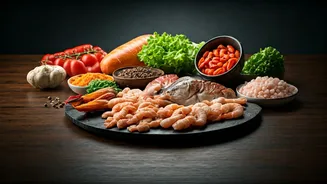
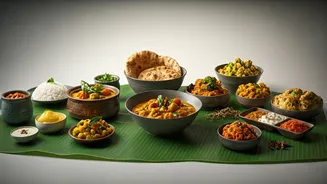
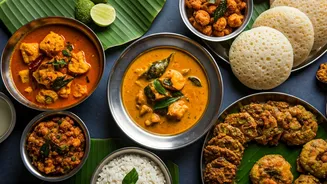
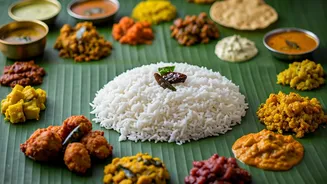
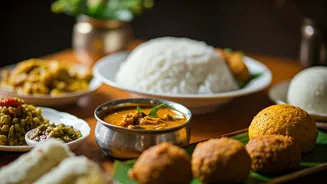
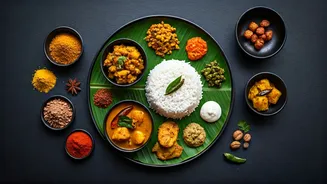
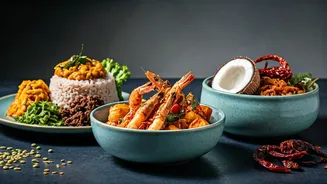
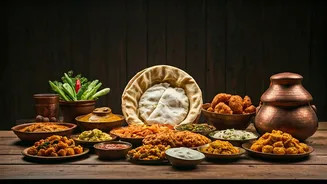
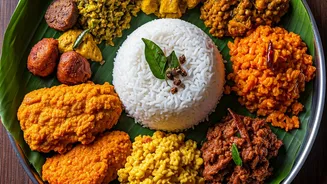
The diversity of Kerala's cuisine is staggering. At one end is the 'Sadya', a magnificent vegetarian feast served on a banana leaf with over 20 different dishes. This ceremonial meal, central to festivals like Onam, showcases an incredible range of textures and flavours, from the mixed vegetable stew 'avial' to the tangy lentil-based 'sambar' and various 'pachadi' (yoghurt-based dishes). At the other end is the bounty of the coast. Dishes like 'Karimeen Pollichathu' (pearl spot fish marinated in spices and grilled in a banana leaf) and the fiery 'Meen Curry' (fish curry) highlight the state's love for fresh seafood. The cuisine also varies dramatically by region, from the rich, meat-heavy Mappila (Muslim) cuisine of the Malabar coast to the milder, coconut-milk-based stews of the Syrian Christian community in the south.
Why the World is Noticing Now
The growing global recognition is no accident. Increased tourism to 'God's Own Country' has given more people a firsthand taste of its culinary delights. Furthermore, a new generation of Indian chefs, like Suresh Pillai, are proudly championing their regional heritage on international platforms and social media, moving the global conversation beyond a monolithic idea of 'Indian food'. This has led to a surge in interest and the opening of authentic Kerala-focused restaurants in culinary capitals like London and New York. As food lovers globally seek more authentic, regional, and story-rich culinary experiences, Kerala's kitchen wisdom, with its blend of vibrant flavours, health benefits, and deep cultural roots, is perfectly poised to meet that demand.