







From Performance to Plot
For decades, the formula was simple: a band plays in a warehouse, a singer emotes into the camera, maybe there's some synchronized dancing. The dawn of MTV in the 1980s turned music videos into a powerful promotional tool, with clips like The Buggles'
'Video Killed the Radio Star' heralding a new visual era for music. Michael Jackson took it a step further, famously referring to 'Thriller' not as a video, but as a short film that blended music with a defined plot. That cinematic ambition laid the groundwork, but for a long time, it was the exception. Today, it’s increasingly becoming the rule. The simple performance piece has given way to complex narratives that often span multiple videos, creating a lore for fans to dive into.
The Architects of Modern Music Worlds
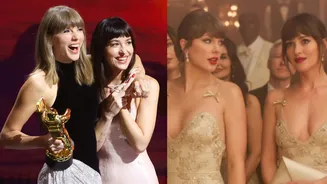
Look no further than Taylor Swift, who turned her fan-favorite song 'All Too Well' into a 15-minute short film, complete with Hollywood actors and a film festival premiere. The video didn't just accompany the song; it expanded its universe, giving fans a tangible story to connect with and analyze. Then there’s Tyler, the Creator, who, under his directorial alias Wolf Haley, has meticulously crafted a cinematic universe across his albums. His videos are chapters in a larger, often surreal story, featuring recurring characters and visual motifs that reward dedicated viewers. Similarly, artists like Kendrick Lamar use their visuals to construct dense, symbolic narratives that comment on society and personal struggle, turning videos like 'Alright' and 'HUMBLE.' into layered artistic statements that demand interpretation.
Why Now? The Economics of Engagement
In the vast ocean of streaming services, a single song can feel disposable. How do you make your music an unmissable event? You build a world around it. Narrative-heavy videos are a powerful answer to the challenges of the attention economy. They generate discussion, speculation, and endless social media theories, keeping an artist's work in the conversation long after release day. A compelling video series encourages repeat viewing, not just for the song, but for clues and connections, deepening the bond between the artist and their audience. It transforms passive listeners into an engaged community of decoders, all trying to piece the puzzle together. This level of engagement is invaluable, creating a loyal fanbase more likely to invest in merchandise, concert tickets, and the artist's entire creative output.
More Than a Viewer, Not Quite a Player
This shift also fundamentally changes the fan experience. You're no longer just watching a video; you're stepping into a story. Fans become amateur detectives, piecing together timelines and analyzing symbols. This interactive layer makes the music feel more personal and participatory. When Halsey released an hour-long film to accompany their album 'If I Can't Have Love, I Want Power,' or when Melanie Martinez created the 'K-12' film, they weren't just releasing music; they were inviting fans into a fully-realized world. This strategy fosters a powerful sense of community and shared discovery, turning a solitary listening experience into a collective cultural event. The video becomes a destination in its own right, a piece of art that enriches and expands upon the song it was built to serve.