





The Silent Toll of a Desk Job
Most office professionals spend the majority of their day sitting, a behavior that research has increasingly linked to a range of health problems. Prolonged sitting is associated with an elevated risk of developing serious conditions, including obesity,
type 2 diabetes, cardiovascular disease, and even certain types of cancer. Beyond these long-term threats, a sedentary workday has more immediate consequences. It contributes to musculoskeletal issues like chronic neck and back pain, stiff shoulders, and poor posture. The lack of movement slows circulation, which can cause fatigue, mental fog, and reduced productivity, a phenomenon sometimes called 'sedentary fatigue'. Even for those who exercise regularly, hours of uninterrupted sitting can counteract many of the benefits, making it crucial to address inactivity during the workday itself.
Meet Your New Best Friend: The Micro-Break
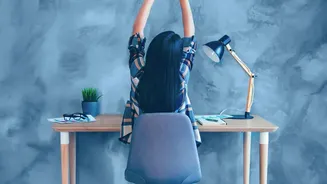
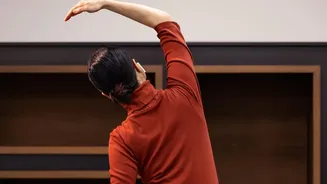
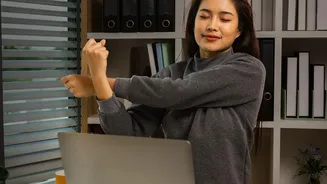
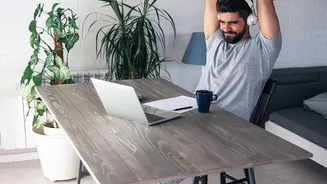
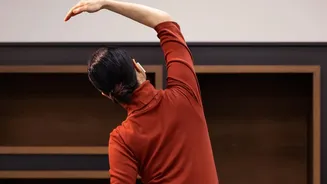
So, what is the antidote to this constant stillness? It’s not necessarily a full-blown workout session during your lunch hour. The answer lies in 'micro-breaks' or 'movement snacks'. These are very short, intentional pauses from work, lasting anywhere from 30 seconds to a few minutes, taken frequently throughout the day. The goal is not to break a sweat, but simply to break the cycle of being static. A micro-break can be as simple as standing up to stretch, walking to get a glass of water, or doing a few gentle neck rolls at your desk. Unlike a longer break, which can disrupt your workflow, micro-breaks are designed to be so brief that they easily integrate into your routine, providing a physical and mental reset without pulling you away from your tasks for too long.
The Science of Small Movements
It might seem incredible that a 60-second stretch can make a difference, but the science supports it. When you sit for extended periods, your body's metabolic function slows down and major muscle groups become inactive. Frequent, small movements reactivate these systems. They improve blood flow to your brain and muscles, which enhances focus and reduces stiffness. Taking a moment to stand, stretch, or walk around stimulates the calf-muscle pump, which is crucial for healthy circulation in your legs and can help prevent swelling and fatigue. These small actions also help to reset your posture, relieving the strain on your neck and back that builds up from hunching over a keyboard. Research shows that frequent, short breaks are often more effective at combating sedentary risks than a single, longer break.
Easy Micro-Movements to Try at Your Desk
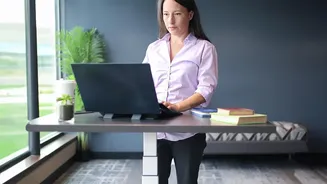
You don't need special equipment or a lot of space to start. Here are some simple and discreet movements you can incorporate into your day right now: - Neck and Shoulder Rolls: Gently drop your chin to your chest and slowly roll your head from side to side. Then, roll your shoulders forwards and backward five times to release upper-body tension. - Wrist and Forearm Stretch: Extend one arm in front of you with the palm facing up. With your other hand, gently pull your fingers down toward the floor to stretch your forearm. Hold for 20-30 seconds and repeat on the other side. - Seated Spinal Twist: Sit tall in your chair with your feet flat on the floor. Gently twist your torso to one side, using the armrest for a light stretch. Hold for a few breaths and repeat on the other side. This helps mobilize your spine. - Stand Up for Calls: Make it a rule to stand up and pace gently whenever you take or make a phone call. - Desk Push-Ups: Stand a couple of feet from your desk, place your hands on the edge, and do a few modified push-ups. - Calf Raises: While standing, simply raise yourself up onto your toes and slowly lower back down. Repeat 10-15 times to boost leg circulation.
Building a Lasting Habit
The key to success with micro-movements is consistency. The best way to ensure you move regularly is to build it into your existing routine. Try 'habit stacking' by linking a movement to a common task; for example, do a quick stretch every time you send an email or finish a report. Set a timer on your phone or use a calendar reminder to prompt you to get up and move for one minute every hour. If possible, get your colleagues involved. Normalizing 'walking meetings' for informal chats or encouraging a team-wide stretch break can create a supportive environment. Instead of emailing a colleague who sits nearby, walk over to their desk. These small changes might feel insignificant at first, but when practiced consistently, they add up to a powerful defense against the health risks of a sedentary job.