




Understanding Your Protein Needs
Protein is a vital macronutrient that builds and repairs tissues, supports our immune system, and keeps us feeling full and energised. According to the Indian Council of Medical Research (ICMR), a healthy sedentary adult needs about 0.83 grams of protein
per kilogram of body weight daily. For a 65kg adult, this is roughly 54 grams. This recommendation considers the nature of Indian diets, which often rely on plant-based sources. While those who are very active or strength training may need more, this provides a solid baseline for most people looking to ensure they are getting enough through their meals.
The Power of Dals and Legumes
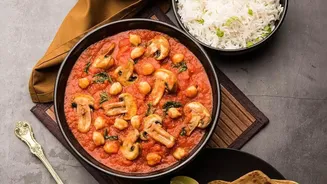
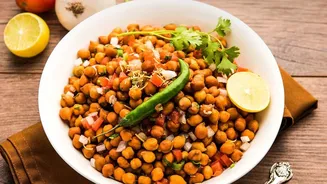
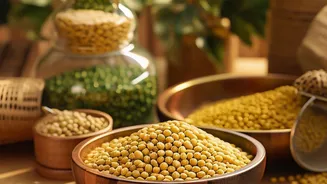
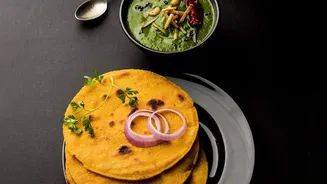
The humble dal is a cornerstone of Indian cuisine and a true protein powerhouse. A single cooked cup of dal can provide around 18 grams of protein. Lentils like toor, moong, and masoor are not only affordable and accessible but also rich in iron and fibre. The same is true for legumes like chickpeas (chana) and kidney beans (rajma), which are staples in countless regional dishes. Sprouting legumes like moong can even enhance nutrient absorption. The real magic happens when these are paired with grains. Most dals are incomplete proteins on their own, but when eaten with rice or roti, they form a 'complete protein' that provides all nine essential amino acids your body needs. This concept, known as protein complementation, is the secret behind classic comfort meals like dal-chawal and rajma-chawal.
Dairy: An Effortless Protein Boost
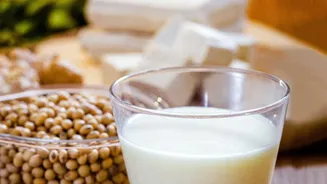
Dairy products are another integral part of the Indian diet and an excellent source of high-quality, complete protein. Paneer (Indian cottage cheese) is a vegetarian favourite for a reason, offering about 14 grams of protein per half-cup serving. It can be easily added to curries, stir-fries, or simply grilled. A cup of dahi (curd or yogurt) adds around 9-11 grams of protein to your meal, while a glass of milk provides about 8 grams. Incorporating these into your daily routine—whether it's dahi with your lunch, a glass of milk in the morning, or paneer bhurji for breakfast—is a simple and traditional way to significantly increase your protein intake.
Beyond the Obvious: Grains, Nuts, and Seeds
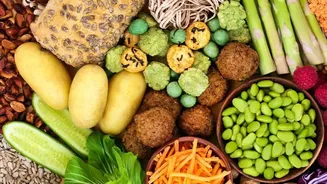
Protein isn't just found in dals and dairy. Many whole grains, nuts, and seeds are also valuable sources. Grains like quinoa and amaranth (rajgira) are notable for being complete proteins on their own. While traditionally seen as carbohydrate sources, staples like roti and rice contribute to your overall protein count, especially when paired with legumes. Nuts and seeds like almonds, peanuts, and pumpkin seeds also provide a healthy dose of protein along with beneficial fats. A handful of nuts as a snack or a sprinkle of seeds over your salad or dahi can be an easy way to add extra protein and micronutrients throughout the day.
When Might Supplements Be Useful?
While a food-first approach is ideal, protein supplements are not without their place. They offer convenience and a concentrated dose of protein that can be useful for elite athletes, individuals with very high protein requirements (like bodybuilders), or those with poor appetite or specific medical conditions that make it difficult to consume enough whole food. However, for the majority of people, they are a matter of convenience rather than necessity. Whole foods offer a complex package of fibre, vitamins, minerals, and other compounds that work together, something a processed powder cannot fully replicate. Relying solely on supplements can mean missing out on these additional benefits.