





First, What Is El Niño?
El Niño is the warm phase of a natural climate pattern known as the El Niño-Southern Oscillation (ENSO). Normally, strong trade winds blow from east to west across the Pacific, pushing warm surface water towards Southeast Asia and Australia. During an El Niño,
these winds weaken. As a result, a massive pool of warm water shifts eastward, toward the coast of South America. This change in ocean temperature is so significant that it disrupts weather patterns across the globe, and India is particularly vulnerable to its effects. Forecasts for the current event are concerning, with many models predicting it could become one of the strongest on record.
The Critical Monsoon Connection
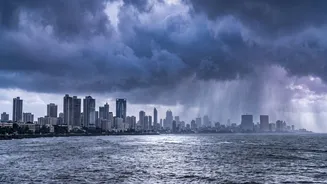
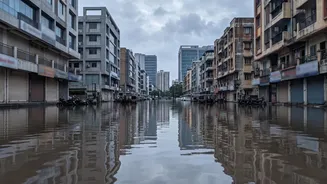
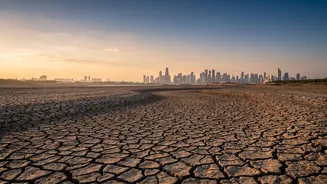
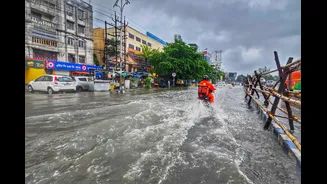
For India, El Niño's most critical impact is on the summer monsoon, which provides about 70% of the country's annual rainfall. A warmer Pacific Ocean, a hallmark of El Niño, is often associated with a weaker monsoon. The rising heat can dampen the moisture-laden winds that are vital for seasonal rains. Projections for 2026 already show cause for concern, with rainfall currently below normal levels across large parts of the country. Some weather agencies have warned that India could see its weakest monsoon in nearly two decades, raising the risk of drought-like conditions in some areas. However, the relationship isn't simple; a weaker monsoon can paradoxically feature short, intense bursts of extreme rain, leading to localised flooding even in a drier-than-average season.
Pressure on Farms and Farmers
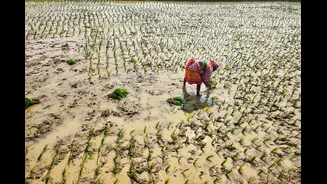
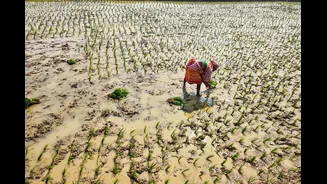
A deficient monsoon has a direct and immediate impact on India's agricultural sector, where nearly half of all farmland is rain-fed. The timing and quantity of rainfall are crucial for the sowing and growth of key Kharif (summer) crops like rice, soybeans, cotton, and pulses. With rainfall already proving erratic in 2026, these crops face significant moisture stress, which could lead to lower yields. This not only threatens the livelihoods of millions of farmers but also impacts the availability of essential food items. The government has identified hundreds of districts that are highly vulnerable to El Niño's agricultural impact and has advised farmers to consider planting crops that require less water.
What It Means for Your Wallet
The chain reaction that starts in the Pacific doesn't end in the fields. A drop in agricultural production directly translates to pressure on food prices. When the supply of essential commodities like vegetables, grains, and pulses tightens, it can lead to food inflation, affecting household budgets across the nation. The Reserve Bank of India has already flagged the developing El Niño as a key risk for its inflation projections. Beyond crops, even milk prices could be affected. Erratic rains can lead to a shortage of affordable fodder for cattle, increasing costs for dairy farmers and potentially pushing up the price of milk and other dairy products for consumers.