







AI Is Changing the Rules of Work
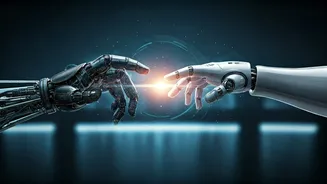
Artificial Intelligence is no longer a futuristic concept; it's a present-day reality transforming the Indian workplace. The conversation has moved beyond job loss to job transformation. Routine, manual tasks in IT, data entry, and customer service are
increasingly being automated. However, this doesn't mean mass unemployment is inevitable. Instead, it signals a move towards the 'AI-augmented' employee. Professionals who learn to leverage AI tools to enhance their productivity are becoming invaluable. A NASSCOM-Deloitte analysis estimates that AI will impact a significant portion of entry-level IT jobs, not by eliminating them, but by redefining them. This makes skills in AI, machine learning, and data analytics some of the most in-demand competencies in India. The demand for AI talent is projected to more than double by 2027, creating a significant demand-supply gap that skilled professionals can fill.
Skills Are the New Currency, Not Degrees
The traditional path of a degree leading to a lifelong career is becoming obsolete. In 2026, employers across India are increasingly prioritising demonstrable skills over university credentials. This shift to skills-based hiring is a practical response to a fast-changing market where the shelf-life of a technical skill can be less than three years. Reports show that a significant percentage of Indian graduates are considered unemployable because their academic knowledge doesn't match industry needs. In response, companies are looking for candidates with practical, certified expertise in high-demand areas. Portfolios on platforms like GitHub for developers are now often more valuable than a degree certificate. This new reality empowers individuals to chart their own career paths through accessible online courses and certifications, breaking the traditional barriers to entry for high-paying tech roles.
The Rise of the Portfolio Career
The stability of a single, full-time job is giving way to a more fluid, portfolio-based approach to work. The gig economy, coupled with India's robust digital infrastructure, has made it easier than ever to develop multiple income streams. This trend isn't just for freelancers; it's becoming a mainstream strategy for financial resilience. A professional might have a primary job while also consulting, selling digital products, or creating content. This requires a versatile skill set that goes beyond a single job description. Moreover, the 'Great Relocation' has seen job creation boom outside of traditional metro hubs, with Global Capability Centers (GCCs) and startups setting up in Tier-2 and Tier-3 cities. This distributed work model values adaptable professionals who can work remotely and possess a broad range of skills.
Your Job Is Evolving Faster Than You Think
The World Economic Forum predicts that a large percentage of core workforce skills will be disrupted by 2030. This isn't a distant forecast; it's happening now. Roles are not just being created or destroyed, but fundamentally reshaped. A marketing professional now needs to understand data analytics and SEO, while a finance expert benefits from knowing business modelling tools. This evolution means that waiting to upskill until your current role becomes redundant is a risky strategy. Continuous learning is becoming a core part of the job itself, essential for internal mobility and career progression. Professionals who proactively seek to enhance their skills are not only more likely to secure their jobs but also to command higher salaries and find more meaningful work.
Learning Has Never Been More Accessible
One of the most compelling reasons to upskill now is the unprecedented accessibility of high-quality education. The barriers that once made learning new skills difficult and expensive—such as physical location and high tuition fees—have been drastically lowered. A surge in enrollments on platforms like Coursera, UpGrad, and Udacity shows that Indian professionals are actively bridging the gap between their existing skills and market demands. Government initiatives like Skill India are also providing frameworks and support for skill development across various sectors. Whether it's a short certification in digital marketing, an in-depth course on cloud computing, or a programme on ethical hacking, the resources are readily available. This democratisation of learning means the only real barrier left is personal initiative.