
The Allure of Heritage and Nature
The combination of upcycled saree curtains and natural wooden frames is more than just a design choice; it's a statement. In an age of mass production, this trend champions personality, sustainability, and craftsmanship. Each saree holds a story, with
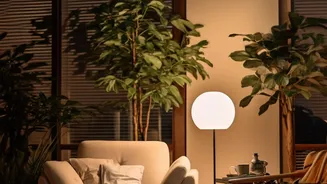
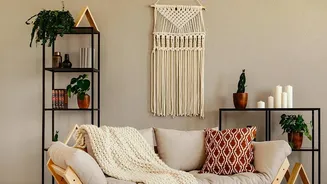
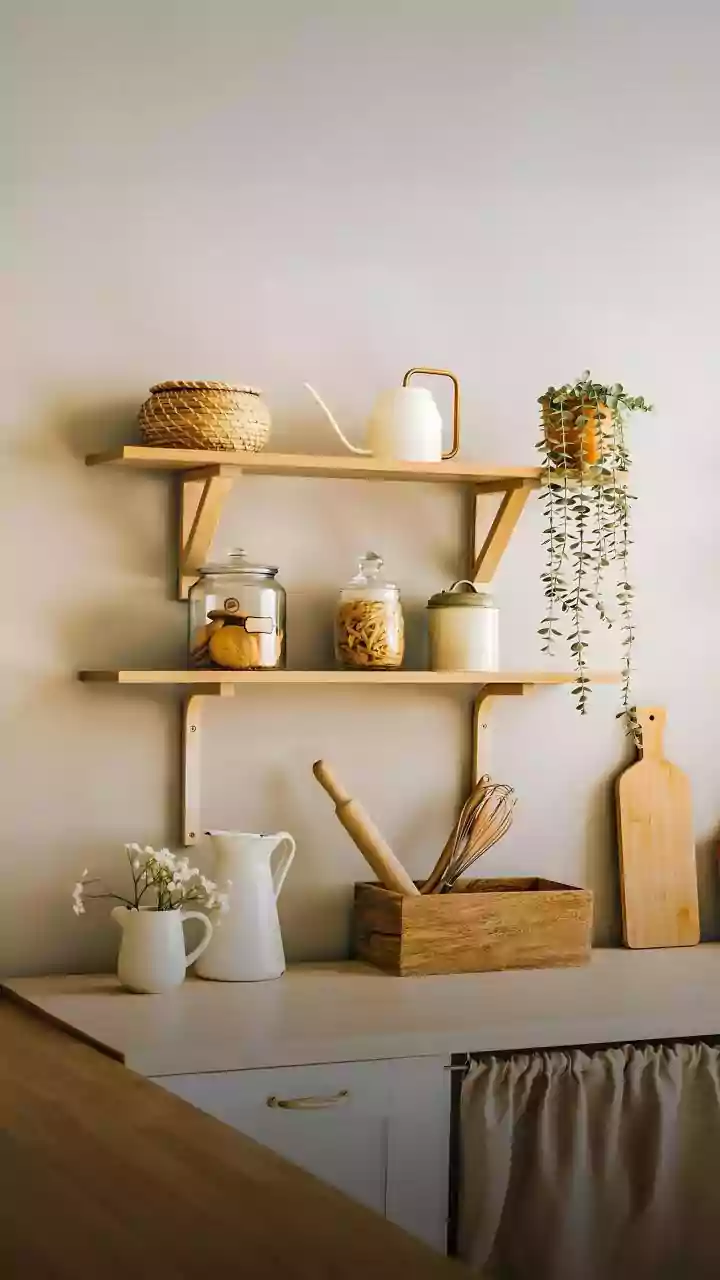
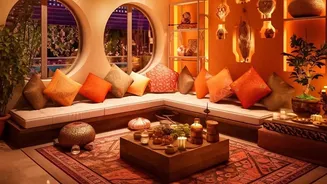
its unique colours, weaves, and memories, while the wood provides a warm, grounding element. This pairing brings texture, history, and a splash of vibrant Indian culture into contemporary homes, creating spaces that feel both personal and connected to nature. It’s a move away from cold, minimalist aesthetics towards what designers call warm minimalism—interiors that are uncluttered but rich with feeling and texture.
Choosing the Perfect Saree
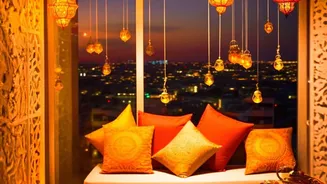
Not every saree is destined for the window. The art is in the selection. For curtains, stylists often favour fabrics that play well with light. Sheer fabrics like chiffon or georgette create a dreamy, diffused glow, while cottons, especially those with block prints, offer a more structured but still light-friendly option. Rich silks, like those from Kanjivaram or Banarasi sarees, can be used for more opulent, dramatic drapes that make a statement. When choosing, consider the room's purpose. Lighter, more transparent sarees work wonderfully in living areas to maximize daylight, while denser weaves can provide more privacy for bedrooms. Don't be afraid of bold patterns or colours; when framed by natural wood, even the most vibrant hues feel balanced and intentional.
Complementing with Natural Wood
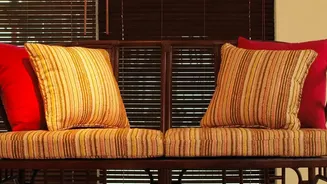
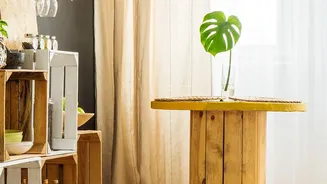
The wooden frame acts as the perfect counterbalance to the flowing fabric of the saree. The choice of wood is crucial in defining the overall mood. Teak, sheesham, and mango wood are popular choices in Indian interior design, each prized for its unique grain and durability. A dark, polished teak frame can lend a sense of regal, traditional elegance, beautifully setting off a bright silk saree. Conversely, a lighter, unstained mango or pine wood frame provides a more rustic, bohemian vibe that pairs wonderfully with cotton or patchwork saree curtains. The current trend leans towards natural and reclaimed woods, which celebrate imperfections and bring an earthy, organic texture into the home, aligning with a growing desire for sustainable and biophilic design.
Styling for the Urban Home
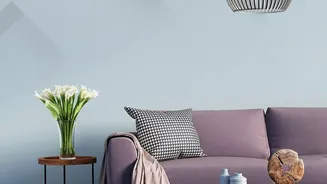
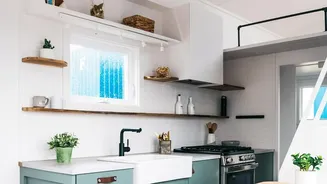
In urban apartments, where space can be a constraint, this pairing works beautifully. The key is balance. A single, stunning window dressed in a vibrant saree curtain can become the focal point of an entire room. Stylists recommend keeping the surrounding walls in neutral or complementary tones to let the window treatment shine. For a cohesive look, you can pick out an accent colour from the saree and echo it in cushions, rugs, or small decor items. The way the curtain is hung also matters. Simple, unobtrusive rods in brass or matte black work best, allowing the fabric and the wood to remain the heroes. For a truly bohemian feel, some even use simple tension wires or reclaimed branches as curtain rods.
A Personal and Sustainable Choice
Ultimately, this trend resonates so strongly because it is deeply personal. It allows homeowners to repurpose a cherished heirloom, perhaps a mother’s old saree, turning it into a functional piece of art that tells a story. This act of upcycling is not just environmentally conscious; it weaves personal history and emotion directly into the fabric of the home. It’s a rejection of generic, off-the-shelf decor in favour of something meaningful. By pairing these unique textiles with the timeless appeal of natural wood, urban stylists are helping create homes that are not just beautifully decorated, but are also soulful, sustainable, and truly one-of-a-kind.