




Start with a Smart Plan
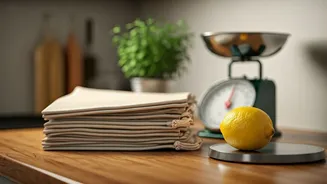
The battle against waste is won before you even step into a store. Every weekend, take 15 minutes to plan your meals for the coming week. But first, ‘shop’ your own kitchen. Look inside your fridge, freezer, and pantry. What needs to be used up? That
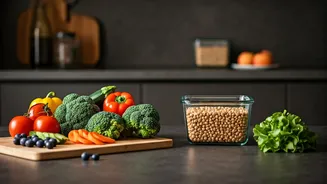
half a cabbage, the last bit of paneer, or the dal sitting in a container? Build your first few meals around these ingredients. This simple habit prevents you from buying what you already have and forces you to use items before they spoil. Your shopping list should be a direct result of this plan. Be specific: not just ‘vegetables’, but ‘2 onions, 1 cauliflower, 250g beans’. This targeted approach stops impulse buys and ensures every purchase has a purpose.
Shop Mindfully, Not Excessively
Once you have your list, stick to it. Supermarket offers like ‘Buy One, Get One Free’ can be tempting, but they are a major cause of household waste, especially for perishable items. Unless you are absolutely certain you can use two bags of spinach before they wilt, it’s not a saving—it’s future waste. Whenever possible, buy loose fruits and vegetables from your local sabziwala. This allows you to purchase the exact quantity you need, rather than being forced into a pre-packaged amount. Also, don’t judge produce by its appearance. A slightly misshapen tomato or a curved carrot is just as nutritious and delicious. By choosing them, you help reduce the massive amount of food that gets rejected for purely cosmetic reasons.
Master the Art of Storage
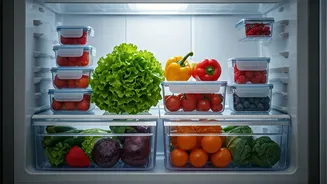
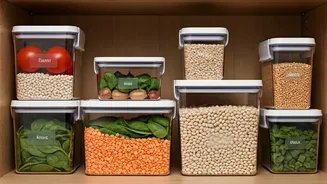
How you store your food is just as important as how you buy it. Proper storage can extend the life of your groceries by days, or even weeks. For leafy greens like coriander and mint, trim the ends, wrap them in a damp paper towel or cloth, and store them in an airtight container in the fridge. Store root vegetables like potatoes, onions, and garlic in a cool, dark, and dry place, but keep potatoes and onions separate as gases from onions can cause potatoes to sprout. Implement the ‘First In, First Out’ (FIFO) rule in your fridge. When you buy new items, move the older ones to the front. This ensures you use them first, preventing that sad moment of discovering long-forgotten dahi or chutney at the back of a shelf.
Use Every Part of the Plant
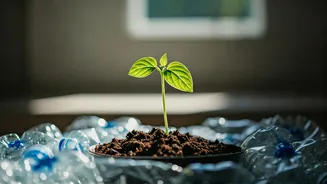
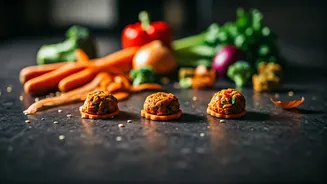
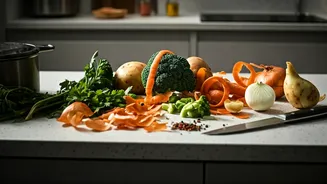
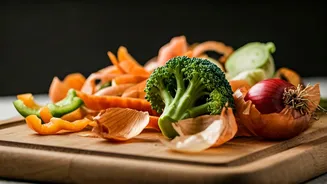
We often throw away parts of vegetables that are perfectly edible and nutritious. Think twice before you toss those scraps. Broccoli and cauliflower stems, for instance, are delicious when chopped finely and added to sabzis, stir-fries, or soups. Vegetable peels from carrots, potatoes, and lauki (bottle gourd) can be boiled with some seasoning to create a flavourful, nutrient-rich vegetable stock for your gravies and dals. Even the water used to boil pasta or vegetables is full of starches and nutrients; let it cool and use it to water your plants. This nose-to-tail approach to vegetables not only cuts down on waste but also adds new textures and nutrients to your diet.
Give Your Leftovers a New Life
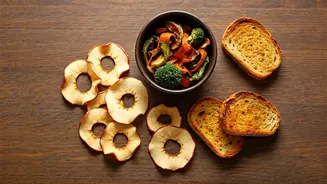
Leftovers shouldn't be a sad, forgotten meal. With a little creativity, they can be the star of a new dish. Last night’s dal can be kneaded with flour to make delicious and protein-packed parathas for breakfast. Leftover rice can be quickly transformed into lemon rice or a hearty fried rice with a few vegetables and spices. A dry sabzi can become an excellent filling for a toasted sandwich or a dosa. Designate one meal a week as a ‘use-it-up’ or ‘fridge-clearing’ meal. This is a fun, creative challenge to combine all the odds and ends into a new, tasty dish. It prevents waste and saves you from having to cook an entirely new meal from scratch.