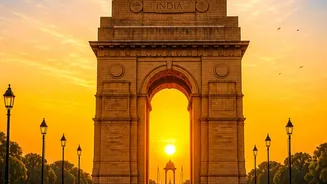





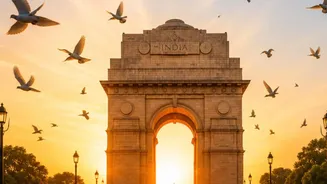
A Landmark Recognition
The announcement places India in esteemed company, following previous winners like Brazil (2026), Thailand (2025), and Costa Rica (2024). The selection by a major publication like Travel + Leisure often reflects shifting global travel currents and points
to destinations that offer a compelling blend of culture, adventure, and value. For India, this award comes as the country aims to revitalize its tourism sector. After seeing a dip in foreign arrivals to 9.15 million in 2025 from a peak of 10.93 million in 2019, the nation has set ambitious goals, including a 'Visit India 2027' campaign. The government also plans to host the prestigious WTTC Global Summit in 2027, further cementing its position on the world stage.
Beyond the Golden Triangle
While classic itineraries featuring Delhi, Agra, and Jaipur remain popular, the 2027 designation celebrates a much broader and more diverse India. Travel experts are highlighting lesser-known regions that offer unique experiences. Among the recommendations are the serene lakes and palaces of Udaipur, often called the 'Venice of the East', and the architectural distinction of the Chettinad region in Tamil Nadu. For the adventurous, the Lakshadweep archipelago offers pristine, permit-required islands, while Madhya Pradesh is recognized for having India's largest tiger population alongside stunning temples. Even megacities are being seen through a new lens, with a focus on Mumbai's distinct neighbourhoods and food trails through Delhi's Chandni Chowk.
The Rise of Conscious Travel
A significant factor in India's rising appeal is its growing focus on sustainable and conscious tourism. Modern travelers are increasingly seeking low-impact and responsible journeys, and India's tourism sector has matured to meet this demand. States like Sikkim, which became the country's first fully organic state, offer a genuinely farm-to-table experience. In Kerala, the Responsible Tourism Mission, one of Asia's most developed community-based programs, ensures that tourism revenue directly benefits local villages through homestays and craft cooperatives. These initiatives allow travelers to have authentic cultural immersions while supporting local economies and conservation efforts.
World-Class Wellness Sanctuaries
India's reputation as a global wellness hub continues to strengthen, moving far beyond rustic ashrams to include some of the world's most luxurious and effective wellness retreats. In the Himalayan foothills near Rishikesh, Ananda in the Himalayas combines Ayurveda, yoga, and Vedanta in a restored Maharaja's palace estate. Nearby, Six Senses Vana provides an immersive approach to holistic health that includes Tibetan medicine. Down south, Kerala is home to dedicated Ayurvedic retreats like Kalari Rasayana, which focuses on renewal and healthy aging. These centers offer highly personalized programs for everything from stress management to detox, solidifying India's position as a premier destination for mind-body rejuvenation.
Following a Legacy of Success
The 'Destination of the Year' title has historically pointed to countries on the cusp of a tourism breakthrough or those successfully reinventing their image. Past winners celebrated by various publications have highlighted specific strengths: Costa Rica for its eco-tourism and accessibility, Greece for its sustainable culinary scene, and Palau for its marine conservation efforts. India's 2027 win follows this pattern, recognizing a nation that offers a comprehensive and evolving travel story. It is a nod to its incredible biodiversity, from the one-horned rhinos that have made a remarkable comeback to the success of Project Tiger, and its deep commitment to cultural preservation. The award acknowledges that India is not just one destination, but a collection of countless worlds waiting to be explored responsibly.