



What Exactly Is El Niño?
El Niño, which means "The Little Boy" in Spanish, is a natural and recurring climate phenomenon. It involves the unusual warming of the surface waters in the central and eastern tropical Pacific Ocean. Normally, strong trade winds blow from east to west,
pushing warm water towards Asia. During an El Niño, these winds weaken or even reverse. This allows the vast pool of warm water to shift eastward, away from Asia and toward the Americas. This change might seem distant, but it's powerful enough to disrupt atmospheric circulation and alter weather patterns across the globe, including those that govern India's climate. Forecasts for 2026 indicate that a strong to very strong El Niño is not just likely, but practically certain to persist into early 2027, raising alarms among meteorologists worldwide.
The Link to India's Extreme Weather
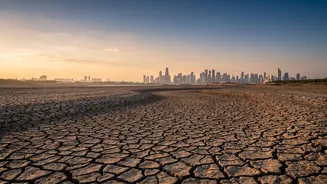
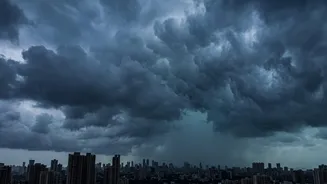
For India, El Niño has a historically complicated relationship with the weather. It is most famous for its connection to weaker summer monsoons. A significant number of India's drought years have coincided with El Niño events, threatening agriculture and water security. However, a weaker monsoon doesn't mean less danger. Paradoxically, recent studies show that while El Niño can reduce the overall seasonal rainfall, it can also increase the frequency of extreme, intense downpours. This creates a volatile situation: long dry spells punctuated by sudden, destructive floods. On top of the erratic rain, El Niño years are strongly associated with higher-than-average temperatures and severe heatwaves across the subcontinent. The combination of these factors—less predictable rain and more intense heat—puts the entire country on high alert.
Why Urban Hubs Are Uniquely Vulnerable
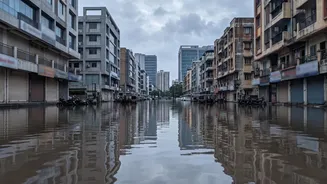
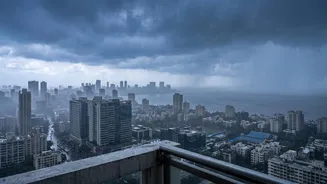
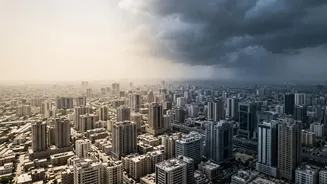
While El Niño's effects are widespread, India's rapidly growing cities are on the frontline of the crisis. Urban areas face a 'double jeopardy' where El Niño's impacts are amplified by the city environment itself. The "urban heat island" effect, where concrete and asphalt absorb and radiate more heat than natural landscapes, can make cities several degrees hotter than surrounding rural areas. During an El Niño-driven heatwave, this can turn deadly, especially for vulnerable populations. Similarly, when those intense bursts of rain do arrive, they fall on largely impermeable surfaces. Outdated and overwhelmed drainage systems in many cities cannot cope, leading to the kind of widespread urban flooding that has become increasingly common in Mumbai, Chennai, and other metros. This combination of man-made and natural factors makes cities a critical focus area for climate resilience.
The Stakes for Indian Cities
The threats are not abstract. Extreme heat strains power grids as cooling demands surge, risking blackouts. It poses severe health risks, including heatstroke and dehydration, particularly for outdoor workers and the elderly. Flooding not only damages property and infrastructure but also disrupts transportation, shuts down businesses, and can lead to the spread of waterborne diseases. The economic productivity of a city can grind to a halt. Past El Niño events serve as a stark warning. The 2015-16 event contributed to severe water shortages and one of the worst heatwaves in recent memory, causing thousands of fatalities across the country. With the current El Niño projected to be exceptionally strong, the potential for similar or even worse impacts on unprepared urban centres is significant.
Building Resilience Is Non-Negotiable
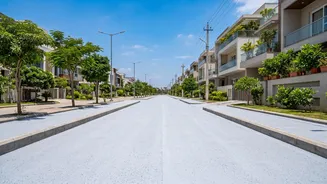
The growing threat means cities can no longer afford to be reactive. Proactive planning is essential. This includes both short-term and long-term strategies. In the short term, cities need robust early warning systems and Heat Action Plans, like the one pioneered in Ahmedabad, to alert citizens and coordinate public health responses. This involves public awareness campaigns, setting up public cooling centres, and ensuring healthcare facilities are prepared. For the long term, the focus must shift to smarter urban planning. This means investing in nature-based solutions like increasing tree cover, creating more parks and green spaces, and protecting urban wetlands. Upgrading stormwater drainage systems is critical to manage flood risk. Promoting 'cool roofs' with reflective paint and using permeable materials for pavements can also significantly reduce the urban heat island effect, building resilience from the ground up.