





Myth: You Must Wash Your Hair Less Frequently
The idea that you can “train” your scalp to be less greasy by washing it less is one of the most persistent hair care myths. However, dermatologists confirm that sebum (oil) production is governed by hormones and genetics, not your washing schedule. In
fact, not washing enough can lead to scalp problems. When oil, dead skin cells, and product residue accumulate, it can create an environment for yeast to thrive, leading to dandruff, irritation, and inflammation that can even increase shedding. **The Habit:** Wash your hair based on your scalp's needs. According to the American Academy of Dermatology, how often you should wash depends on how much oil your scalp produces. If you have an oily scalp or fine, straight hair, you might need to wash it daily. Those with dry, curly, or textured hair can wash less frequently. The golden rule is to focus the shampoo on the scalp, where the oil and buildup are, rather than the entire length of your hair.
Myth: Trimming Your Hair Makes It Grow Faster
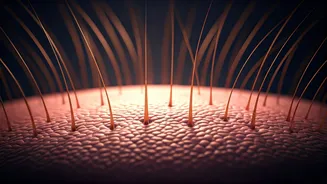
This is perhaps the most widely believed hair myth, but it’s scientifically impossible. Hair grows from follicles in your scalp, and cutting the ends has no biological effect on the rate of growth at the root. On average, hair grows about half an inch per month, regardless of how often you get it trimmed. **The Habit:** Get regular trims to preserve length and health. So why does this myth persist? Because trimming your hair prevents breakage. When you don’t cut your hair, split ends can travel up the hair shaft, causing it to break off. By regularly trimming away damaged ends, you stop this breakage in its tracks, which helps you retain the length you're growing. This makes it *seem* like your hair is growing faster when, in reality, you're just not losing length to damage.
Myth: You Can Permanently Repair Split Ends
Countless products promise to “repair” or “mend” split ends, but this is only a temporary cosmetic fix. Once a hair shaft frays and splits, it cannot be permanently fused back together. Serums and conditioners containing silicones or proteins can temporarily smooth the cuticle and glue the split together, improving its appearance until the next wash. However, the damage is structural and irreversible. **The Habit:** The only real cure for a split end is to cut it off. While you can't repair existing splits, you can take steps to prevent new ones. This includes being gentle with wet hair, using a wide-tooth comb, minimizing heat styling, and using protective products like leave-in conditioners.
Myth: You Need to Switch Your Shampoo Regularly
Many people believe that hair can get “used to” a shampoo, causing it to stop working. There is no scientific evidence to support this. Your hair and scalp don't build up immunity to a product's formula. If your favorite shampoo seems less effective, it's more likely that your hair's needs have changed due to factors like chemical treatments, seasonal weather shifts, or product buildup. **The Habit:** Stick with what works, but be prepared to adapt. If a shampoo and conditioner are delivering the results you want, there's no reason to switch. However, it can be beneficial to have a clarifying shampoo on hand to remove product buildup once in a while. It's also smart to adjust your routine when your hair's condition changes—for example, using a more moisturizing formula in the winter or a color-protectant shampoo after dyeing your hair.
Myth: Plucking One Grey Hair Makes More Grow Back
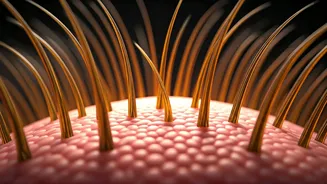
This old wives' tale is persistent but false. Plucking a grey hair will not cause multiple grey hairs to sprout in its place. Each hair follicle can only produce one hair, and plucking it doesn't affect the neighboring follicles. A new hair will eventually grow from the same follicle, and given that the pigment cells in that follicle have already died, it will also be grey. **The Habit:** Leave grey hairs alone or manage them gently. While plucking won't multiply your greys, it can damage the hair follicle. Repeatedly plucking can lead to inflammation, infection, or even permanent scarring that may prevent any hair from growing back in that spot, leading to thinning over time.