



The Science Behind the Magic
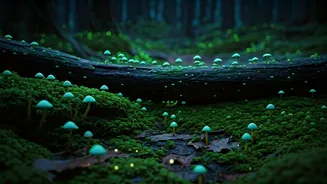
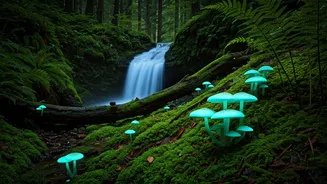
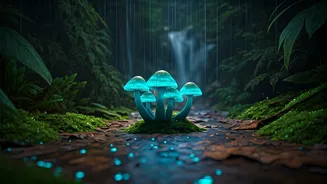
The mystical glow you’re witnessing isn’t from a fairy or a magical plant, but from something equally wondrous: bioluminescent fungi. While the headline conjures images of glowing flowers, the phenomenon, often called 'foxfire', is typically caused by
species of fungi like *Mycena*. These organisms contain a compound called luciferin, which, when it reacts with oxygen and an enzyme, produces a steady, greenish light. This natural process isn't for our benefit; scientists believe the fungi glow to attract insects that help spread their spores, or to deter creatures that might eat them. It’s a silent, brilliant form of communication happening right at your feet.
Where to Find These Glowing Forests
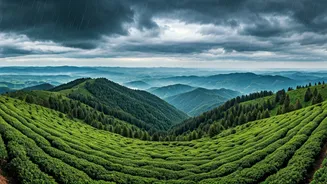
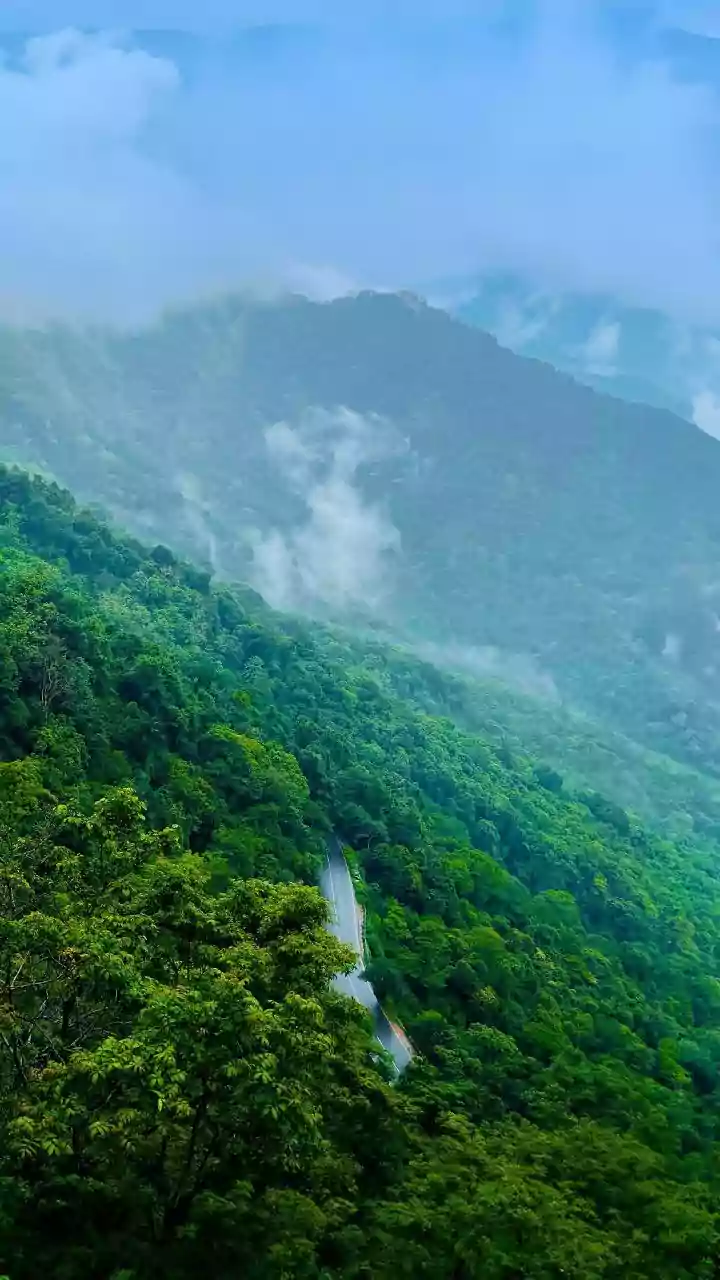
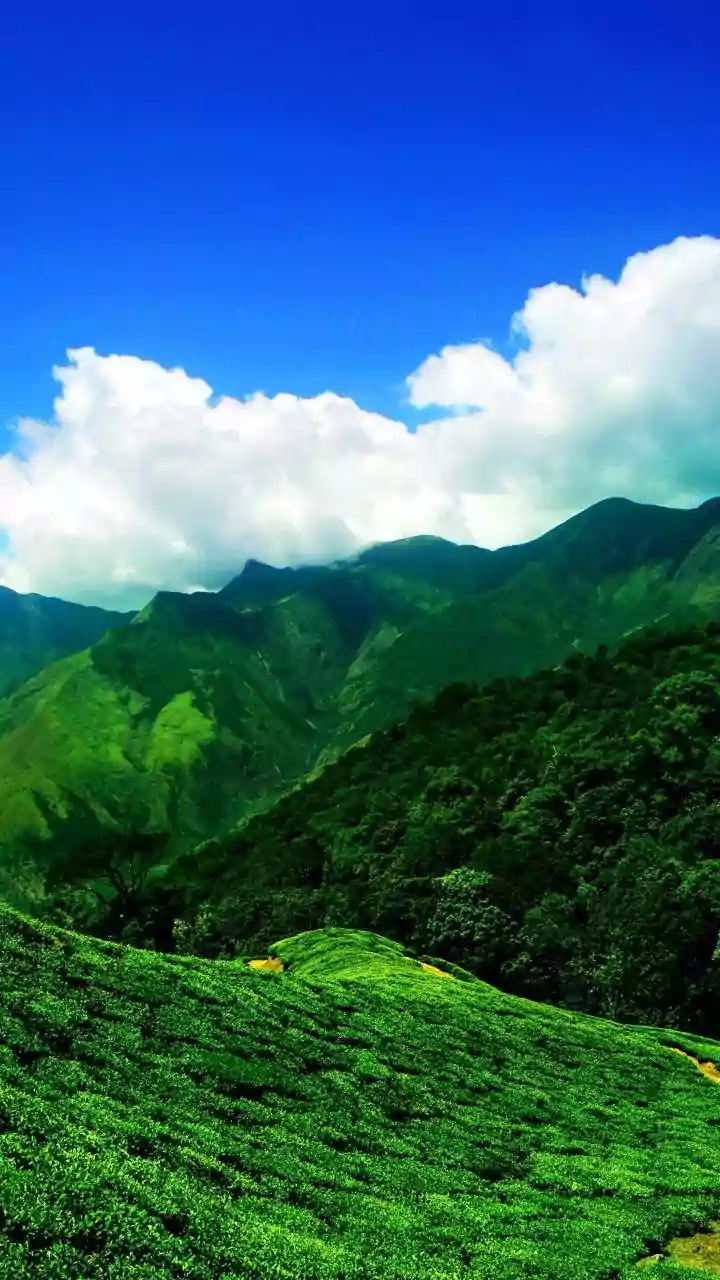
While the Western Ghats and Meghalaya are more famous for bioluminescence, the Himalayas hold their own secrets. The phenomenon in North India is more elusive and less documented, making its discovery a true adventure. Your best bet is in the dense, damp forests of Uttarakhand and Himachal Pradesh during the peak monsoon. Treks around areas like the Great Himalayan National Park, parts of the Valley of Flowers trail, and other old-growth forests offer the right conditions. The key is to find places with decaying wood, high humidity, and minimal light pollution. These are not signposted attractions but rare, natural occurrences.
Why the Monsoon Is Your Best Ally
Timing is everything. The bioluminescent fungi thrive in specific conditions that the North Indian monsoon provides in abundance. From late June to early September, the continuous rain and high humidity create the perfect environment for these fungi to fruit and glow. The dampness on fallen logs, rotting leaves, and tree bark becomes a canvas for nature's light show. While trekking in the monsoon presents its own challenges—leaches, slippery paths, and unpredictable weather—it’s the only season you’re likely to witness this spectacle. The rain washes the world clean, and as night falls, it reveals these hidden lights.
Setting Up at a 'Cascade Camp'
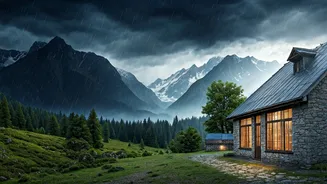
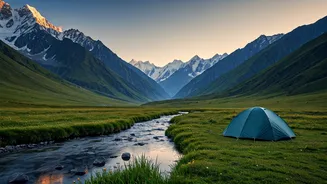
The term 'cascade camps' perfectly describes the ideal base for this quest. These are not specific resorts, but rather the types of campsites that trekking agencies set up in the wilderness, often near a stream or waterfall. The proximity to water ensures the high humidity that the fungi need. When booking a monsoon trek, inquire with the operator if the route passes through old, dense forests. Ask your guide about 'lakdi ki aag' or 'jungle ki roshni'—local terms that sometimes refer to this phenomenon. A knowledgeable local guide is your single most important asset; they know the forests intimately and can lead you to potential spots.
A Guide to the Glow Hunt
Finding foxfire requires patience and the right approach. First, venture out on a moonless or overcast night to ensure maximum darkness. Switch off your torches and phone screens, and allow at least 15-20 minutes for your eyes to fully adjust. The glow is often very faint, a soft luminescence rather than a bright light. Scan the forest floor, especially decaying logs and damp leaf litter. Look for clusters of tiny, glowing mushrooms or a diffuse light emanating from the wood itself. Move slowly and quietly. The experience is not about a quick photo-op but about immersing yourself in the quiet magic of a forest that has come alive in a completely new way.
Tread Lightly, View Responsibly
This fragile beauty deserves our respect. The ecosystems where these fungi grow are delicate. Stick to designated trails to avoid trampling unseen organisms. Follow the 'leave no trace' principle strictly: pack out everything you pack in. Resist the urge to use flash photography, as it will overpower the faint glow and ruin your night vision. Most importantly, do not touch or pick the fungi. They are part of a complex ecosystem and are best observed from a respectful distance. The goal is to witness the magic without disturbing it, ensuring it remains for future generations of trekkers to discover.