





The Invisible Contaminant
First, what are we even talking about? Microplastics are tiny plastic particles, generally defined as being less than five millimeters long. They come from two main sources. Primary microplastics are intentionally made small, like the microbeads once
common in personal care products. The bigger issue is secondary microplastics, which form when larger plastic items—like bags, bottles, car tyres, and synthetic clothing—break down over time from exposure to sun and water. Because plastic never truly biodegrades, it just breaks up into smaller and smaller pieces, eventually becoming small enough to permeate our environment.
From the Ocean to Your Plate
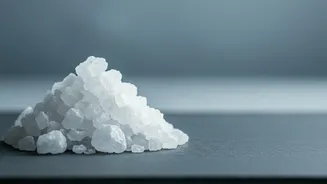
So how do these tiny particles end up in our food? The pathways are numerous and complex. In the marine environment, plastic waste breaks down and is consumed by fish and other sea creatures who mistake it for food. While we don't typically eat the digestive tracts of most finfish where plastics accumulate, they are a major concern in shellfish like mussels, which are eaten whole. But it's not just a seafood problem. Microplastics contaminate soil through plastic mulch, wastewater, and even fertilisers, allowing them to be absorbed by fruits and vegetables. They are also found in dust that can settle on our meals and have been detected in products like honey, beer, salt, and bottled water.
The Billion-Rupee Question: Are They Harmful?
This is where the headline's caveat—"health risks need more study"—becomes critical. Top health agencies like the U.S. Food and Drug Administration (FDA) state that based on current evidence, the levels detected in food do not pose a risk to human health. However, research is ongoing and far from complete. Scientists are investigating several potential concerns. One is the physical presence of the particles themselves. Animal studies have shown that ingested microplastics can accumulate in organs and cause inflammation and tissue damage. Another major concern is chemical. Plastics often contain additives like phthalates and bisphenols (BPA), which are known endocrine disruptors. Furthermore, microplastics can act like sponges, absorbing other environmental toxins like pesticides and heavy metals, potentially delivering a concentrated dose of these harmful substances into our bodies.
A Murky Picture for Human Health
While lab and animal studies raise red flags, their findings don't automatically translate to humans. The science on how our bodies process these particles is still emerging. Some studies suggest that over 90% of ingested microplastics are excreted, but the smallest particles, known as nanoplastics, may be able to pass from the gut into the bloodstream and accumulate in tissues. Recent studies have found microplastics in human blood, lungs, and even brain tissue, confirming they can get inside us. One study found a correlation between microplastics in arterial plaque and a higher risk of heart attack and stroke, but this shows an association, not a direct cause. Experts agree much more research is needed to understand the long-term effects of this low-level, chronic exposure.
Can You Avoid Them?
Completely avoiding microplastics is likely impossible in the modern world. However, experts suggest some practical steps to reduce exposure. Since plastic packaging is a major source, opting for fresh, whole foods over highly processed ones can help. Studies have shown bottled water contains more microplastics than tap water, so filtering your tap water can be a better choice. It's also wise to avoid heating food in plastic containers, as heat can cause more particles to leach into your food. Using non-plastic alternatives for storage, cutting boards, and cooking utensils can also minimise contact. Ultimately, however, most experts agree that this is a systemic pollution problem that requires large-scale action from industries and governments, not just individual consumer choices.