



The Philosophy of Preservation
Bhutan's unique approach to travel is rooted in its guiding philosophy of Gross National Happiness (GNH), which prioritizes citizen well-being and environmental conservation over pure economic growth. This isn't just a feel-good slogan; it’s a national
policy. For decades, the country has pursued a “High Value, Low Volume” tourism model. The core of this is the Sustainable Development Fee (SDF), a daily fee paid by tourists. This fee directly funds public services like healthcare and education, and, crucially, supports conservation efforts, carbon-neutral initiatives, and the maintenance of the very trails you walk on. It ensures that every visitor contributes positively, making tourism a force for preservation, not destruction.
Why Bhutan's Trails Stand Out
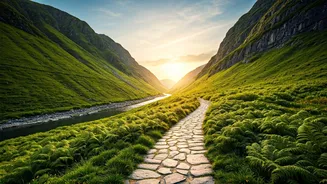
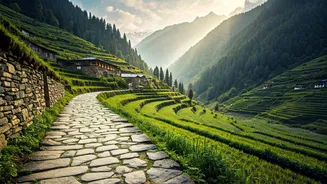
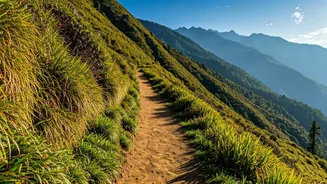
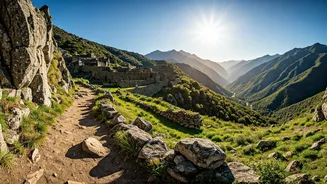
The result of this philosophy is tangible. Unlike many popular Himalayan routes that can feel commercialized, Bhutan’s trails are remarkably clean, uncrowded, and wild. You won’t find a string of commercial teahouses or plastic litter marring the landscape. Instead, you get vast, untouched vistas, a thriving biodiversity protected by a constitutional mandate to maintain 60% forest cover, and a deep sense of solitude. Regulations require all treks to be guided, which not only ensures safety but also minimizes human impact. Your guide and support team manage waste responsibly, use designated campsites, and offer rich insights into the local ecology and culture, turning a simple hike into a profound connection with nature.
The Iconic Druk Path Trek
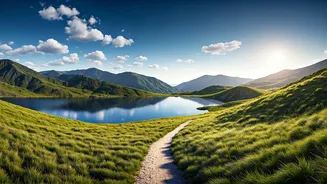
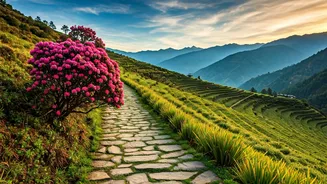
If you’re looking for the perfect introduction to Bhutanese trekking, the Druk Path is it. This moderate, 4- to 6-day trek connects the valleys of Paro and Thimphu, offering a spectacular cross-section of Bhutan’s beauty without requiring extreme fitness. The trail winds through fragrant pine and rhododendron forests, ascending to high ridges that offer breathtaking views of the Eastern Himalayas, including the sacred Gangkar Puensum, the world's highest unclimbed peak. Along the way, you’ll pass crystal-clear high-altitude lakes like Jimiling Tsho, known for its giant trout. The trek beautifully balances wilderness with culture, often beginning or ending with visits to iconic sites like the Paro Taktsang (Tiger’s Nest Monastery).
For The Seasoned: Jomolhari Trek
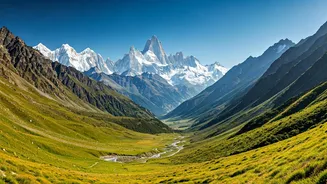
For experienced trekkers seeking a more demanding challenge, the Jomolhari Trek is one of Bhutan’s most celebrated high-altitude routes. Typically lasting 7 to 9 days, this trail takes you deep into the heart of the mountains, right to the base of the magnificent Mount Jomolhari (7,326m), which straddles the border with Tibet. The journey involves crossing high passes like the Nyile La (4,870m), where you are rewarded with panoramic views that feel otherworldly. The region is a protected habitat for rare wildlife, and it’s not uncommon to spot blue sheep grazing on the high slopes or even catch a glimpse of the elusive snow leopard. It’s a trek that pushes your limits while immersing you in raw, untamed nature.
A Cultural Journey: Bumthang Owl Trek
Not all great treks are about altitude. The Bumthang Owl Trek is a shorter, 3-day journey through the cultural heartland of Bhutan. Named for the hooting owls you’ll hear at night, this trail is a gentle yet immersive experience that combines pleasant walks through forests and villages with visits to ancient monasteries (lakhangs) and temples. Starting near Dhur village, you’ll meander through bamboo and rhododendron groves, camp in serene meadows, and end at Tharpaling Goemba, a monastery offering stunning views over the Chhume valley. It's an ideal choice for those who want to experience Bhutan’s spiritual side and rural life on foot, without the rigours of a high-altitude expedition.
Planning Your Trip From India
Travelling to Bhutan from India is straightforward. You can fly directly into Paro International Airport from cities like Delhi, Kolkata, and Guwahati, or enter by road through Phuentsholing. While previously exempt, Indian nationals are now also required to pay a daily Sustainable Development Fee, though it is significantly lower than that for other international tourists. A key part of Bhutan's model is that all trips must be arranged through a registered Bhutanese tour operator. This isn’t a restriction but a benefit—it ensures you have a qualified guide, proper permits, transport, and accommodation sorted, allowing you to simply soak in the experience stress-free.