



More Than Just a Race Boat
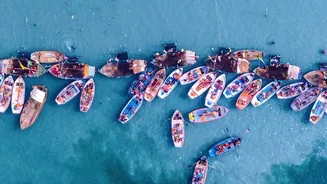
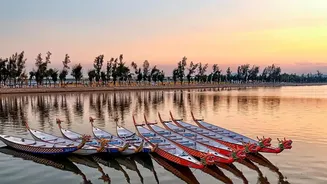
To an outsider, the Chundan Vallam, or snake boat, is famous for the thrilling spectacle of the Nehru Trophy Boat Race. But within the villages that line the backwaters of Alappuzha and Kuttanad, these vessels are far more than sporting equipment. They
are living deities, each belonging to a village that worships it with reverence. Traditionally, only men are permitted to touch the boat, and always in bare feet as a sign of respect. Their history stretches back to the 14th century, when a king, defeated in a riverine war, commissioned the construction of a new kind of war boat—one that was faster, more agile, and capable of carrying over 100 warriors. The design that emerged, inspired by ancient texts on naval architecture, became the Chundan Vallam. Today, their role has shifted from warfare to cultural celebration, but their sacred status remains unchanged.
The Wisdom of the Asharis
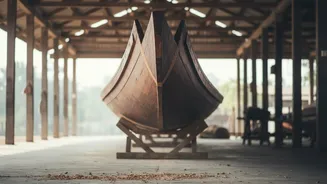
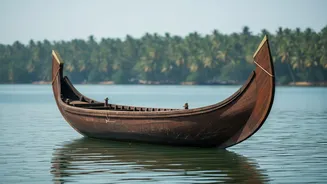
The knowledge to build these magnificent, 100-foot-plus boats is not found in modern engineering manuals. It resides in the hands and minds of the Moothasharis, the master carpenters who inherit the craft. This wisdom is passed down orally through generations, a closely guarded secret within families. The construction adheres to the principles of the Sthapathya Veda, an ancient treatise on architecture and construction. Every plank of Anjili wood, a local timber resistant to rot, is chosen and shaped with precision. The process is punctuated by rituals, from the first cut of the wood, known as Ulikuthal, to the ceremonial launch where the entire village comes together. This blend of precise engineering and spiritual oversight is what gives each boat its unique character and strength.
The Ritual of Renewal
In the weeks leading up to the racing season in August and September, the most important seasonal ritual takes place. The boats are brought out for their annual maintenance, a process that is as much a spiritual cleansing as it is a physical task. Instead of modern chemical sealants and paints, the builders turn to a time-honored mixture. The hull is coated with a paste made of fish oil, the carbon from burned coconut shells, and sometimes eggs. This organic concoction serves a practical purpose: it waterproofs the wood, makes the hull slick and fast in the water, and keeps the timber strong. But the act itself is ceremonial. It is a community gathering, a prayer for a safe season, and a way of feeding and caring for the village's guardian deity before it returns to the water.
Ancient Solutions for Ailing Waters
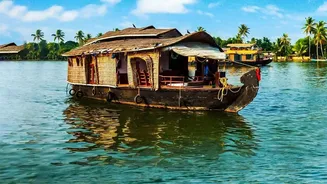
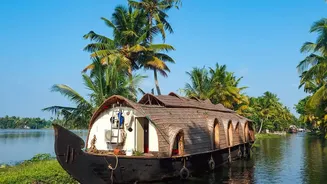
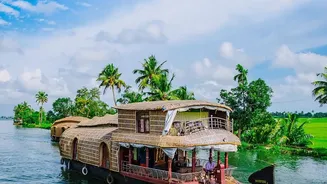
The term “marine restoration” in the headline may seem grand, but it points to a deeper truth. Kerala's lifeline, the Vembanad Lake system, is under severe ecological stress. Studies have shown alarming levels of pollution from untreated sewage, plastic waste, and diesel from the hundreds of houseboats that cater to tourists. In this context, the boat builders' insistence on using a traditional, fully biodegradable mixture is a powerful statement. While this single act cannot reverse the widespread pollution, it represents a commitment to an older, more sustainable way of life. It’s a form of ecological stewardship embedded in cultural practice. By refusing modern chemicals and sticking to a recipe that nourishes the wood without harming the water, these builders perform a small-scale act of restoration—restoring not just the boat, but a balance with the environment that has been lost.
A Legacy Racing Forward
As August unfolds, this quiet, reverent preparation will soon give way to the roar of the crowds and the rhythmic chanting of the Vanchippattu (boat songs). The Nehru Trophy Boat Race, scheduled for August 22, 2026, is the ultimate test of this year's efforts. Each team of over 100 rowers, moving in perfect synchrony, will propel their living vessel towards the finish line. When spectators watch these magnificent boats slice through Punnamada Lake, they are witnessing more than just a race. They are seeing the culmination of a year-long cycle of craft, community, and consecration. The power of the rowers is matched only by the deep-rooted cultural and ecological wisdom that built the boat beneath them.