



The Heartbeat of the Backwaters
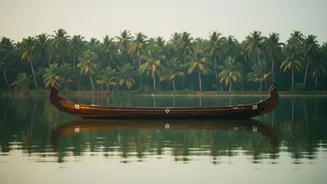
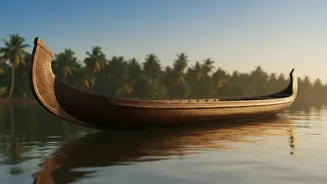
Long before they became icons of competitive sport, the Chundan Vallams, or snake boats, were the formidable warships of Kerala's medieval kings. Stretching over 100 feet, these magnificent wooden canoes were designed for speed and agility in the intricate
network of canals. Today, they are less about war and more about pride, representing the spirit of a village and the soul of its people. Each boat is considered a deity by the community that owns it, an object of reverence that men can only touch barefoot. This deep connection transforms the annual boat races from a mere sporting event into a vibrant cultural festival that binds communities together.
The Sacred Rituals of Restoration
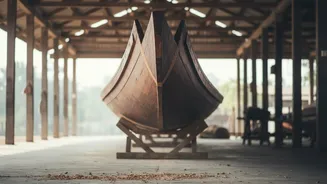
Preparing a snake boat for the races is a meticulous process steeped in tradition. The work begins months in advance, often on a day deemed auspicious. The primary task is waterproofing and strengthening the hull. Artisans use a special, time-honoured concoction to coat the boat. This unique mixture often includes fish oil, ash from burned coconut shells, and even eggs, which work together to make the wood strong, reduce water absorption, and create a slippery surface that glides through the water. Before the races, the boats are further blessed in rituals, sometimes involving local priests and visits to temples, reflecting the deep spiritual connection between the community, the boat, and the water itself.
Guardians of an Ancient Craft
At the centre of this tradition are the master craftsmen, known as 'moothasharis'. Their knowledge of boat building, often guided by the ancient principles of the Sthapatya Veda, has been passed down through generations. These artisans oversee the construction and repair of the boats, using local timber like Anjili (wild jackfruit wood), which is prized for its resistance to rot. The construction is a marvel of traditional engineering; long wooden planks are joined in a way that allows the massive hull to flex slightly in the water, preventing it from cracking under the immense strain of a hundred oarsmen rowing in unison. This quiet wisdom is a disappearing craft, making the role of these artisans vital in keeping the heritage alive.
More Than Just a Race
While the Nehru Trophy Boat Race is the most famous event, Vallam Kali (boat game) is a season of festivities across Kerala. The preparation itself is a community-wide endeavour. Villagers come together to support the oarsmen, who undergo weeks of rigorous practice, twice a day, to build stamina and perfect their synchronisation. This period fosters immense communal harmony, with mass feasts where people from all castes and religions dine together, reinforcing social bonds. The rhythmic chanting of the 'Vanchipattu' (boat songs) by singers on the boat acts as a metronome, ensuring every single stroke is in perfect rhythm—a single mistake can cost the race. For the villages of Kuttanad, a victory is a matter of immense honour, celebrated for months.