

Understanding Late-Monsoon Rafting
The annual rafting season in Rishikesh is officially suspended from July to mid-September for safety during the peak monsoon. The “late-monsoon” or post-monsoon window, typically starting in the third or fourth week of September, is a unique time to be on the river.
The Ganga is often fuller and faster than it is during the drier winter months, giving the rapids more energy. While thrilling, these conditions require an even greater focus on safety, especially for those new to the sport. The 2026 season is expected to officially reopen around September 23rd, following joint inspections of the river's flow and water levels by safety committees.
Your Safety Checklist Before Booking
Your adventure begins long before you dip a paddle in the water. The most critical decision is choosing a reputable operator. Look for companies licensed by the Uttarakhand Tourism Development Board. These operators are required to use certified guides, provide proper safety equipment, and adhere to official protocols. When booking, ask about the guide’s experience and certifications, and confirm that the package includes essentials like a well-fitted life jacket and helmet for every person. Do not be tempted by unusually cheap offers, as they may cut corners on safety, which is paramount. It is also wise to inform your guide about any medical conditions beforehand.
On-the-Water Rules for Beginners
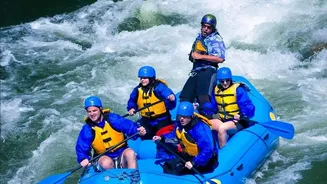
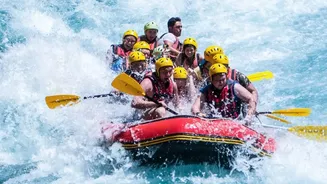
Once on the raft, your guide is the captain; their word is law. Listen carefully to the pre-trip safety briefing, which will cover paddling commands, how to hold your paddle, and what to do if you fall overboard. A key instruction is the floating position: on your back with your feet pointed downstream to fend off any rocks, letting your life jacket do the work. It is mandatory to wear your life jacket and helmet at all times. Also, wear appropriate clothing—quick-drying synthetic fabrics are ideal, while cotton should be avoided as it gets heavy and cold when wet. Secure footwear like sandals with straps or floaters is much better than loose flip-flops.
Best Beginner Stretch: Brahmapuri to Rishikesh (9-12 km)
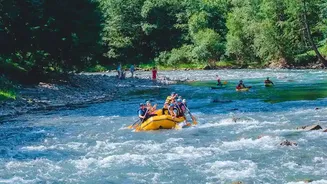
For first-timers, especially in the powerful post-monsoon flow, the Brahmapuri stretch is the undisputed best choice. This is the shortest and mildest route, featuring primarily Grade I and II rapids. These grades consist of small, gentle waves and clear passages, offering a fun, splashy introduction without the intensity of the more advanced sections. The journey typically takes about 1.5 hours, making it perfect for families, nervous beginners, or anyone wanting a taste of the thrill in a more controlled environment. You’ll get to paddle, enjoy the stunning scenery of the Himalayan foothills, and experience the joy of being on the Ganga safely.
A Step Up: Shivpuri to Rishikesh (16 km)
If you're an adventurous beginner feeling confident, the Shivpuri to Rishikesh stretch is the most popular route overall. It offers a fantastic balance of calm floating sections and exciting Grade II and III rapids like 'Roller Coaster' and 'Golf Course'. While manageable for most beginners, these rapids are more powerful and require more coordinated paddling. This trip takes around 2.5 to 3.5 hours. Given the stronger currents of late September, it's best to tackle this stretch only after a candid discussion with your guide about your fitness and comfort level. For many, it provides the perfect dose of adrenaline while remaining accessible.