


Food as Functional Medicine
Long before 'superfoods' and 'immunity boosters' became buzzwords, Indian winter cuisine was built on the principle of food as medicine. Traditional recipes are intelligently designed to warm the body, build strength, and ward off seasonal ailments. Ingredients
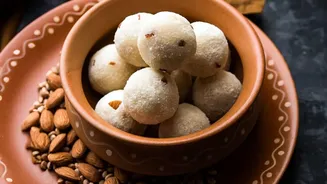
like gond (edible gum), ghee, jaggery, and various nuts and seeds are central to these preparations. Gond ke Ladoo, for instance, is a classic winter sweet known for strengthening bones and generating heat. Similarly, Panjiri, a crumbly mixture of whole wheat flour, ghee, and nuts, is revered not just as a treat but as a potent postpartum and winter supplement. These recipes utilize seasonal produce like carrots for Gajar ka Halwa or mustard greens for Sarson ka Saag, ensuring peak nutrition and flavour. This inherent wisdom, which focuses on eating seasonally to support the body’s needs, is a major driver of their modern revival.
Nostalgia on a Plate
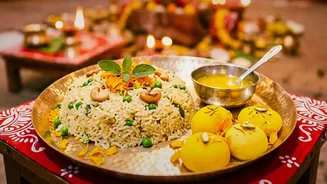
For many, the aroma of a dish simmering on the stove is a direct line to childhood memories. These winter recipes are often heirlooms, passed down through generations, each with its own family story. The act of recreating a grandmother’s recipe for Undhiyu or a festive Moong Dal Halwa connects people to their roots and family history. In an era of globalized food trends and fast-paced living, these dishes offer a comforting, tangible link to the past. They represent more than just a meal; they are an experience of heritage and a celebration of the slow, deliberate art of cooking that is often lost in modern life. This emotional connection provides a powerful incentive to keep these culinary traditions alive.
The Modern, Health-Conscious Twist
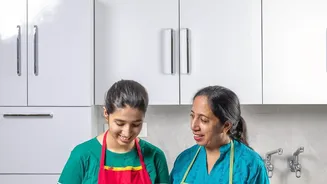
The return of these recipes isn't just about faithful replication. A key reason for their resurgence is their adaptability to the modern, health-conscious kitchen. Food enthusiasts are finding creative ways to update these classics without losing their soul. This might involve swapping refined sugar with jaggery or dates, using healthier grains like millets, or reducing the amount of ghee without compromising on the essential texture and taste. Appliances like air fryers and microwaves are being used to create lighter versions of traditionally deep-fried snacks. This blend of tradition and modernity makes the recipes more accessible and aligned with contemporary wellness goals, proving that ancient wisdom can coexist with present-day dietary preferences.
From Kitchen Secrets to Viral Sensations
Social media has played an undeniable role in this culinary renaissance. Food bloggers, YouTubers, and Instagram influencers are documenting and sharing these 'lost' recipes, often with stunning visuals and personal stories that captivate a younger audience. What was once a family secret is now a trending hashtag. Seeing a beautifully presented plate of Panjiri or a step-by-step video for making perfect Makki di Roti demystifies the process and inspires home cooks to try it themselves. This digital movement is creating a new archive of culinary knowledge, ensuring that these traditions are not only preserved but are also evolving and reaching new kitchens across the globe.