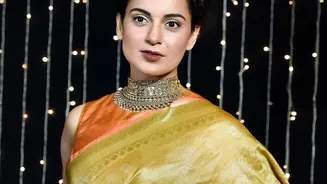



The Allure of Vintage Sarees
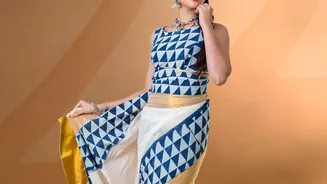
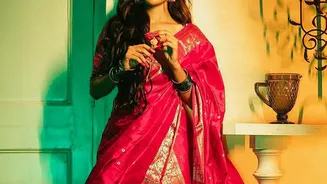
Before you begin, it’s worth appreciating why sarees are such a brilliant choice. Beyond the obvious eco-friendly benefit of upcycling, these textiles bring a unique story into your home. Vintage sarees, whether lustrous silks or breathable cottons, often
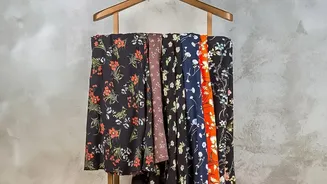
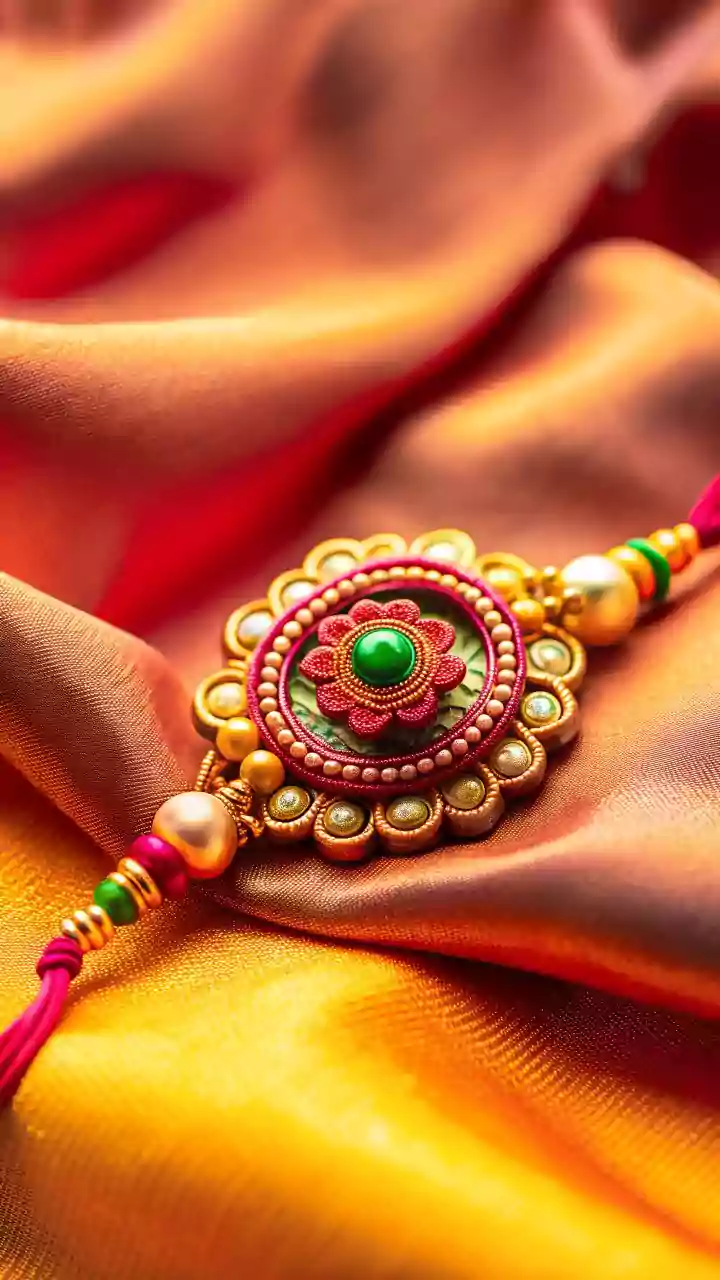
feature intricate weaves, handmade block prints, and rich colour palettes that mass-produced fabrics can't replicate. They hold a history, a sense of place, and a craftsmanship that adds soul and character to your decor. Using a saree passed down through your family adds an even deeper layer of personal meaning, turning a simple curtain into a conversation piece and a cherished heirloom.
Sourcing and Selecting Your Sarees
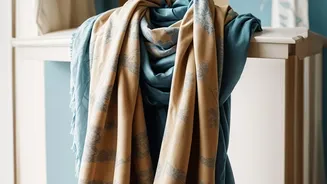
The hunt for the perfect sarees is part of the creative process. You might already have some tucked away in a trunk, inherited from a mother or grandmother. If not, explore local thrift stores, online marketplaces, or textile dealers who specialise in vintage fabrics. When selecting, consider the fabric type. Cottons and crepes are generally easier to work with and hang beautifully. Silks and chiffons, while luxurious, can be more delicate and may require a lining to protect them from sun damage and add weight. Inspect each saree for its condition. Small tears or minor stains can often be repaired or creatively hidden, but avoid fabrics that are brittle or heavily damaged. The most exciting part is playing with colour and pattern. Look for complementary or contrasting designs to create a dynamic layered effect.
Preparing the Fabric for a New Life
Proper preparation is key, especially with delicate vintage textiles. Before you measure or cut, gently clean the fabric. For most silks and other fragile materials, a gentle hand wash in cool water with a mild, pH-neutral detergent is the safest method. Avoid harsh scrubbing or wringing, which can damage the fibres. Submerge the garment, agitate the water softly, and rinse thoroughly. To dry, roll the saree in a clean towel to absorb excess moisture, then lay it flat or hang it away from direct sunlight, which can fade the natural dyes. Once clean and dry, carefully iron on a low setting appropriate for the fabric. At this stage, you should also remove the 'fall' (the extra strip of fabric sewn along the bottom hem of a saree) to ensure the material drapes evenly.
Designing the Layered Look
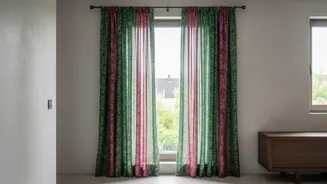
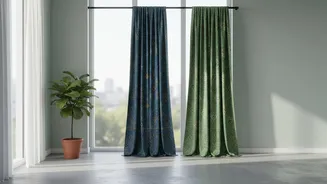
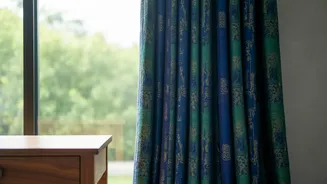
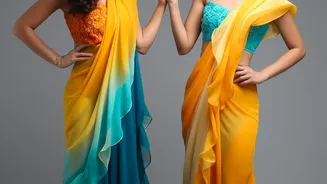
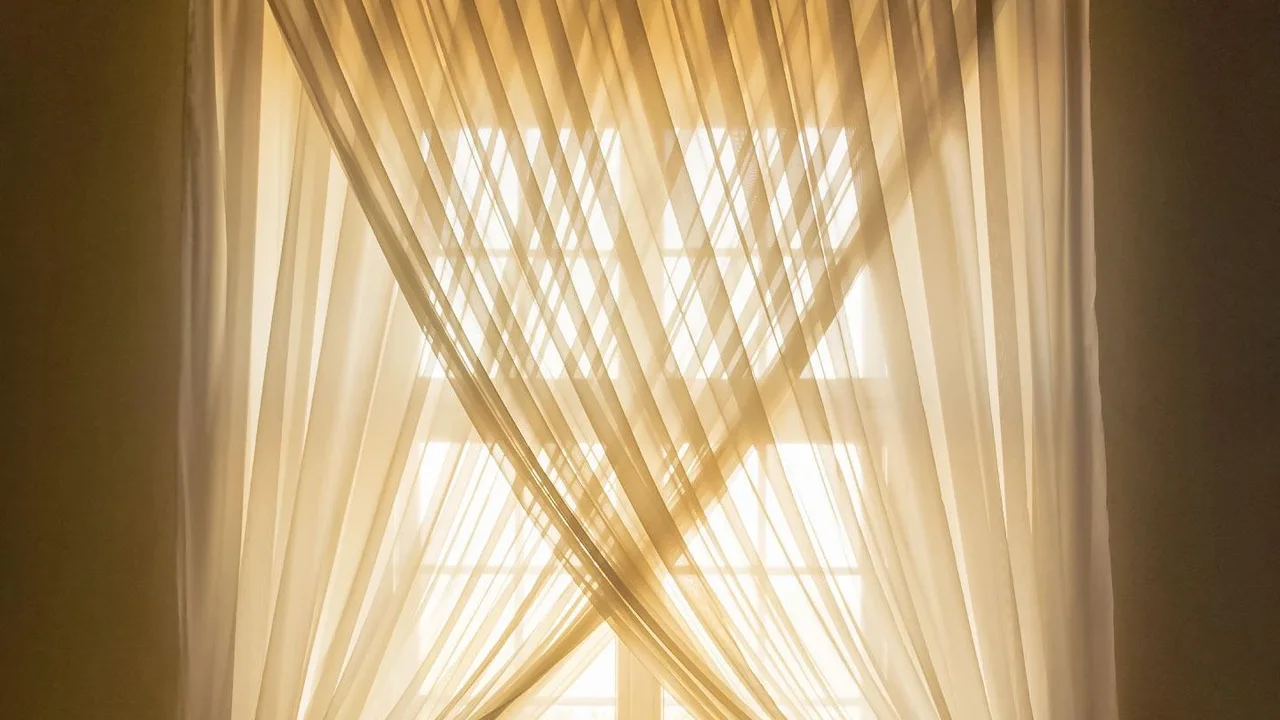
Layering is what gives this project a professional, designer feel. The classic approach is to pair a sheer or semi-sheer saree with an opaque one. The sheer layer, placed on the rod closer to the window, diffuses sunlight beautifully while providing a degree of privacy. The heavier outer layer adds colour, pattern, and the ability to block out more light when needed. Think about texture as well as transparency. A crisp cotton paired with a soft, flowing georgette can create a rich sensory experience. Don’t be afraid to mix patterns, but try to maintain a cohesive colour story to prevent the look from becoming visually cluttered. To achieve this, you'll need a double curtain rod, which allows both layers to hang and move independently.
Easy No-Sew and Simple Sewing Methods
You don't need to be an expert tailor to create these curtains. For a simple, no-sew option, all you need is your prepared saree fabric, a curtain rod, and a set of drapery clip-rings. Simply fold over the top edge of the saree to your desired length, and attach the clips evenly across the top. Then, slide the rings onto your rod. It’s an incredibly fast way to hang your panels. For a more finished look that doesn't require a sewing machine, you can use fusible bonding web or fabric glue to create clean hems and a pocket for the curtain rod. If you are comfortable with a sewing machine, stitch a wide channel along the top of each saree panel to create a rod pocket, and hem the sides and bottom for a crisp finish.
Installation and Final Touches
Once your panels are ready, install your double curtain rod. A good rule of thumb is to hang the rod high and wide—placing it several inches above the window frame and extending it beyond the sides. This technique makes windows appear larger and more dramatic. Thread your sheer inner curtain onto the back rod and the opaque outer curtain onto the front rod. Let them hang, and don't worry about perfect symmetry. The charm of upcycled sarees lies in their unique character. You can add simple tie-backs made from leftover saree borders or complementary ribbons to hold the outer panels open and showcase the beautiful layers beneath.