




Promise: An Anti-Aging Pill
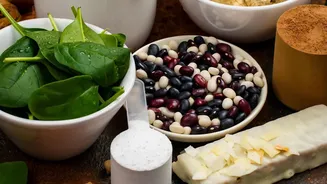
The market is flooded with supplements like NAD+ precursors and resveratrol, often touted as revolutionary age-reversal molecules. The theory is compelling: NAD+ is a coenzyme vital for cellular energy and DNA repair, and its levels decline as we age.
Resveratrol, a compound found in red grapes, is promoted as an activator of 'longevity genes' called sirtuins. While animal studies have shown some promise, the evidence for significant age-reversal effects in humans remains weak. Some studies have found no significant benefit from combining these supplements, and the quality and potency of over-the-counter products can vary dramatically. One large-scale analysis of various interventions even found that over-the-counter supplements had no discernible effect on epigenetic biomarkers of aging.
Practice: An Anti-Inflammatory Diet
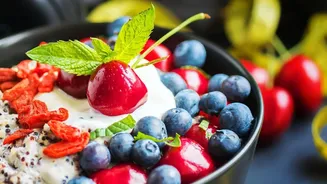
The most robust science doesn't point to a single miracle supplement, but to your plate. A dietary pattern rich in whole foods and low in processed ingredients is consistently linked to healthier aging. Diets like the Mediterranean style—high in fruits, vegetables, olive oil, and fish—are proven to lower inflammation, which is a key driver of aging. Studies show that sticking to healthy eating patterns is linked to a slower biological age, a measure of your body’s cellular and functional health. Research on caloric restriction and intermittent fasting also shows potential for promoting longevity, likely by influencing metabolic pathways and cellular repair processes. You don't need a fad diet; the key is a consistent pattern of eating whole, nutrient-dense foods.
Promise: High-Tech Lab Breakthroughs
Headlines about lab-based age reversal are exciting. Scientists have successfully reprogrammed cells in the lab, for example, turning blood cells from an 80-year-old into stem cells with a molecular age of someone under 20. Some researchers believe we are on the verge of treating aging as a medical condition. While these breakthroughs are monumental for understanding the mechanisms of aging, they are a long way from being safe, accessible, or proven therapies for humans. Human clinical trials are only just beginning to explore whether these concepts can be translated from a petri dish to a person, and the path from lab to clinic is long and complex.
Practice: Consistent, Quality Sleep
One of the most powerful and freely available 'anti-aging' tools is sleep. During sleep, your body undergoes critical repair processes that affect everything from skin health to brain function. Research shows a clear link between sleep habits and biological age. Both inadequate sleep (less than 6 hours) and excessive sleep (9 or more hours) are associated with accelerated biological aging. Establishing a regular sleep schedule, where you go to bed and wake up around the same time each day, helps regulate your body's internal clock and promotes restorative sleep. This nightly reset is essential for managing inflammation and allowing cells to repair damage.
Promise: Effortless Youthful Appearance
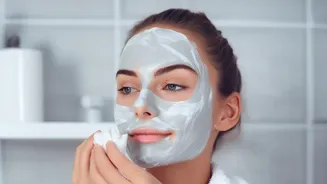
The anti-aging market often sells the idea of a quick fix—a cream or a procedure that erases years without requiring lifestyle changes. The language is shifting from 'anti-aging' to 'skin longevity', focusing on extending the health of skin at a cellular level. While some topical treatments and procedures can certainly improve skin appearance, they are most effective when supporting an overall healthy lifestyle. The idea that you can counteract a poor diet, lack of sleep, and high stress with a single product is a marketing fantasy, not a scientific reality.
Practice: Regular, Varied Exercise
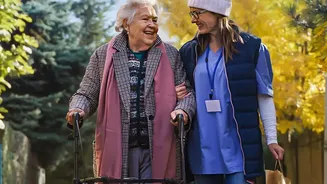
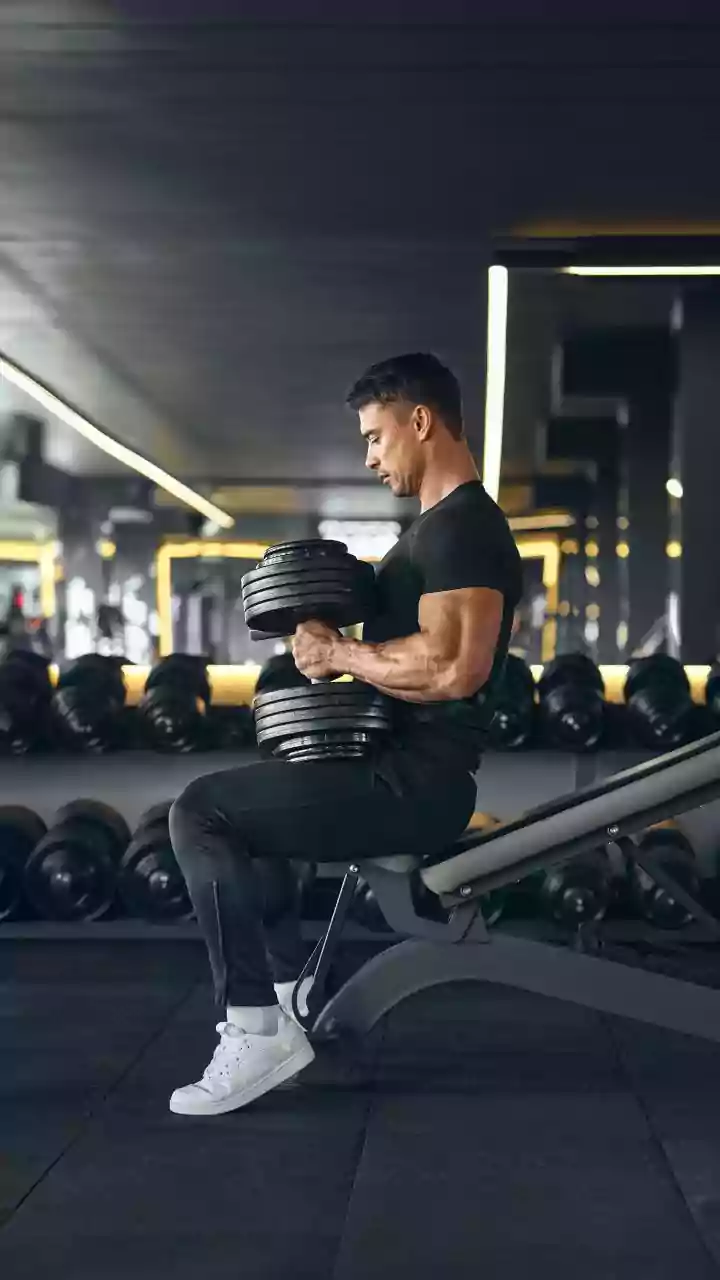
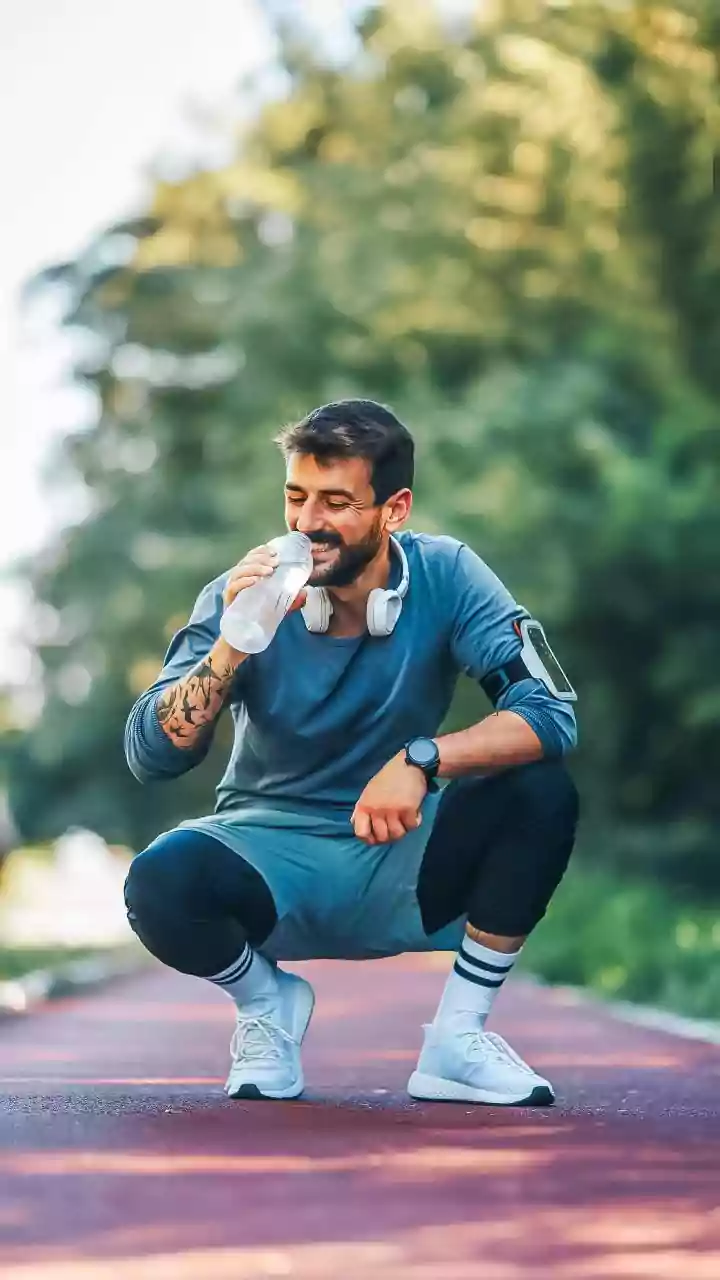
If there's one habit that comes close to a fountain of youth, it's regular physical activity. Exercise is one of the best-supported ways to slow the aging process. Studies have found as much as a nine-year difference in the biological age between highly active and sedentary adults. A combination of aerobic exercise (like brisk walking or running) and strength training is ideal. Aerobic activity improves heart health, while strength training preserves muscle mass and bone density, which naturally decline with age. This potent combination not only helps you look younger but also significantly reduces the risk of chronic diseases that accelerate the aging process.